1. Home
  2. Emerging Tech
  3. News

It sounds impossible, but this 3D printer can create objects that are longer than itself

Add as a preferred source on Google

There are no guarantees on Kickstarter, but when a project comes along that blows through its fundraising target in just 15 minutes, you can at least be assured that it’s stirring up some serious interest.

That’s the case for the so-called BlackBelt 3D Printer, which set out to raise 50,000 euros (around $56,000), and managed to surpass that goal in just a quarter of an hour. The reason for the excitement surrounding it is that the BlackBelt promises users the opportunity to print pieces much longer than itself, thereby allowing makers to take their additive manufacturing fabrication to the next level.

Recommended Videos

That’s because it incorporates a high-precision conveyor belt as a print platform, which moves horizontally with every new layer that’s printed. The conveyor also means it’s possible to create queues of items, since each one can be shifted off the printing platform after it’s finished. It’s a brilliantly simple idea (at least in conception), but one that makes it possible to create pieces that — for reasons of either volume, dimensions, or both — would otherwise prove extremely challenging.

“We have designed a new type of 3D printer that has some advantages over the existing technology,” creator Stephan Schürmann told Digital Trends. “This machine allows extraordinary, long workpieces, series production, and special geometries without additional support material.”

With its use cases, footprint, stainless steel exterior, and price, everything about the BlackBelt screams “industrial 3D printer,” as opposed to one you’ll want to get for playing around with at home. Still, if you’re looking to kit out your maker space with an innovative new piece of kit, this may well be the one you’re looking for. It can currently be pre-ordered on Kickstarter, where it’ll set you back upwards of 6,500 euros ($7,300), plus shipping. It’ll be winging its way to customers this October.

You can check out more of the technical details about print volume and the like on the printer’s Kickstarter page.


Luke Dormehl
I'm a UK-based tech writer covering Cool Tech at Digital Trends. I've also written for Fast Company, Wired, the Guardian…
Yet another study says AI is bad for elections, and the rabbit hole gets worse
AI may be an election bomb waiting for someone to light the fuse
Voters cast their ballots on Election Day

Another election, another study has concluded that asking an AI chatbot for political guidance is a spectacularly bad idea. Research conducted during Hungary’s 2026 parliamentary election found that ChatGPT and Google Gemini offered not just inaccurate but also inconsistent and unreliable voting advice. The chatbots misclassified voter profiles, overlooked relevant parties, recommended parties absent from the ballot, and sometimes produced materially different answers when given the same information repeatedly.

AI keeps failing the voter test

Read more
Samsung’s humanoid robot ambitions are real, but factories come first
Samsung’s new robotics division has humanoids in its sights, although its immediate business is far more practical factory automation
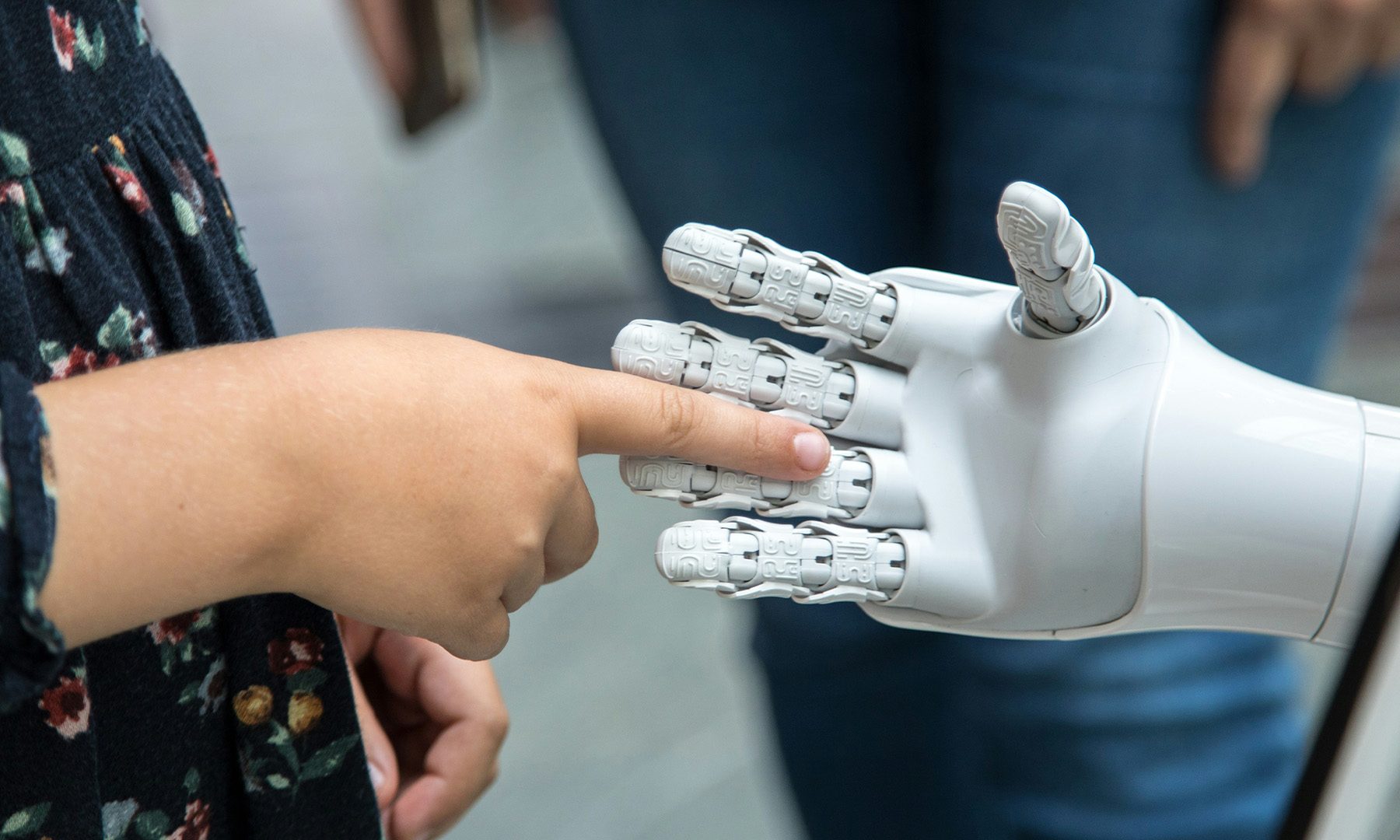
Robot Touch Human Finger

Samsung wants a place in the humanoid race, but its new robotics push begins with machines built for factories rather than homes.

The CEO-led RX robotics division will initially focus on manufacturing robots. Samsung has separately identified humanoids as a priority, although it hasn’t announced a commercial model or explained where one fits into the division’s immediate plans.

Read more
The future of AI may depend on this one behind-the-scenes change
Running Claude on Android.

Whenever a new AI model arrives, it's easy to get caught up in the bells and whistles. We talk about how much smarter it is, how quickly it answers questions, or how realistic its images have become. But here's the thing: none of that matters much if the AI can't reliably work with the apps and services people use every day.

That's why an upcoming update to the Model Context Protocol (MCP) caught my attention. It isn't a new chatbot or a fancy AI model. In fact, most people will never even know it's happening. But it could quietly make the AI ecosystem a lot healthier. If you've never heard of MCP before, don't worry. Think of it as a shared language that lets AI assistants safely talk to apps like Gmail, Slack, calendars, databases, and countless other services. Instead of every company inventing its own way to make those connections, MCP gives everyone a common rulebook.

Read more