1. Home
  2. Emerging Tech
  3. News

Tallest all-wood building in the U.S. approved for construction

Add as a preferred source on Google

Timber is becoming an increasingly attractive construction material thanks to advances in wood-binding technologies. This week, city officials in Portland, Oregon, approved a construction permit for the United States’ first all-wood high-rise.

The developer is set to begin construction of the 11-story building, called Framework, this fall. Once completed, the complex will house subsidized apartments and offices for Albina Community Bank and Beneficial State Bank.

Recommended Videos

Framework will utilize a technology known as cross-laminated timber (CLT). These CLT panels are constructed from small wooden planks bound to one another by a polyurethane adhesive, giving them the strength of traditional construction materials such as concrete and steel.

In fact, tests have show that CLT designs can withstand large-scale earthquakes. Researchers at Portland State University and Oregon State University used seismic testing to verify the structural integrity of Framework’s design.

State officials have high hopes for the future of CLT and believe the technology could bolster the floundering regional timber industry. Pacific Northwest logging has struggled in recent years due to trade deals, automation, and government regulation, among other factors.

Oregon has invested heavily into CLT technologies, including a rather robust $150,000 grant to help a Douglas County logging company, D.R. Johnson Lumber Co., create its manufacturing line. Currently, CLT is manufactured predominantly in Europe and Canada, but the Framework high-rise will source the bulk of its CLT panels locally from D.R. Johnson.

Wood has many benefits over traditional construction materials. CLT structures can be erected faster than concrete and steel structures, and, most importantly, wood is far more environmentally friendly. Carbon dioxide is a chief byproduct in the creation of iron, steel, and the non-metallic minerals that are the raw components in concrete. It is estimated that these materials contribute as much to climate change as all of the automobiles on the earth combined.

This initiative and others like it may very well lay the groundwork for more ambitious wood construction projects in the future.


Dallon Adams
Former Editorial Assistant
Dallon Adams is a graduate of the University of Louisville and currently lives in Portland, OR. In his free time, Dallon…
Yet another study says AI is bad for elections, and the rabbit hole gets worse
AI may be an election bomb waiting for someone to light the fuse
Voters cast their ballots on Election Day

Another election, another study has concluded that asking an AI chatbot for political guidance is a spectacularly bad idea. Research conducted during Hungary’s 2026 parliamentary election found that ChatGPT and Google Gemini offered not just inaccurate but also inconsistent and unreliable voting advice. The chatbots misclassified voter profiles, overlooked relevant parties, recommended parties absent from the ballot, and sometimes produced materially different answers when given the same information repeatedly.

AI keeps failing the voter test

Read more
Samsung’s humanoid robot ambitions are real, but factories come first
Samsung’s new robotics division has humanoids in its sights, although its immediate business is far more practical factory automation
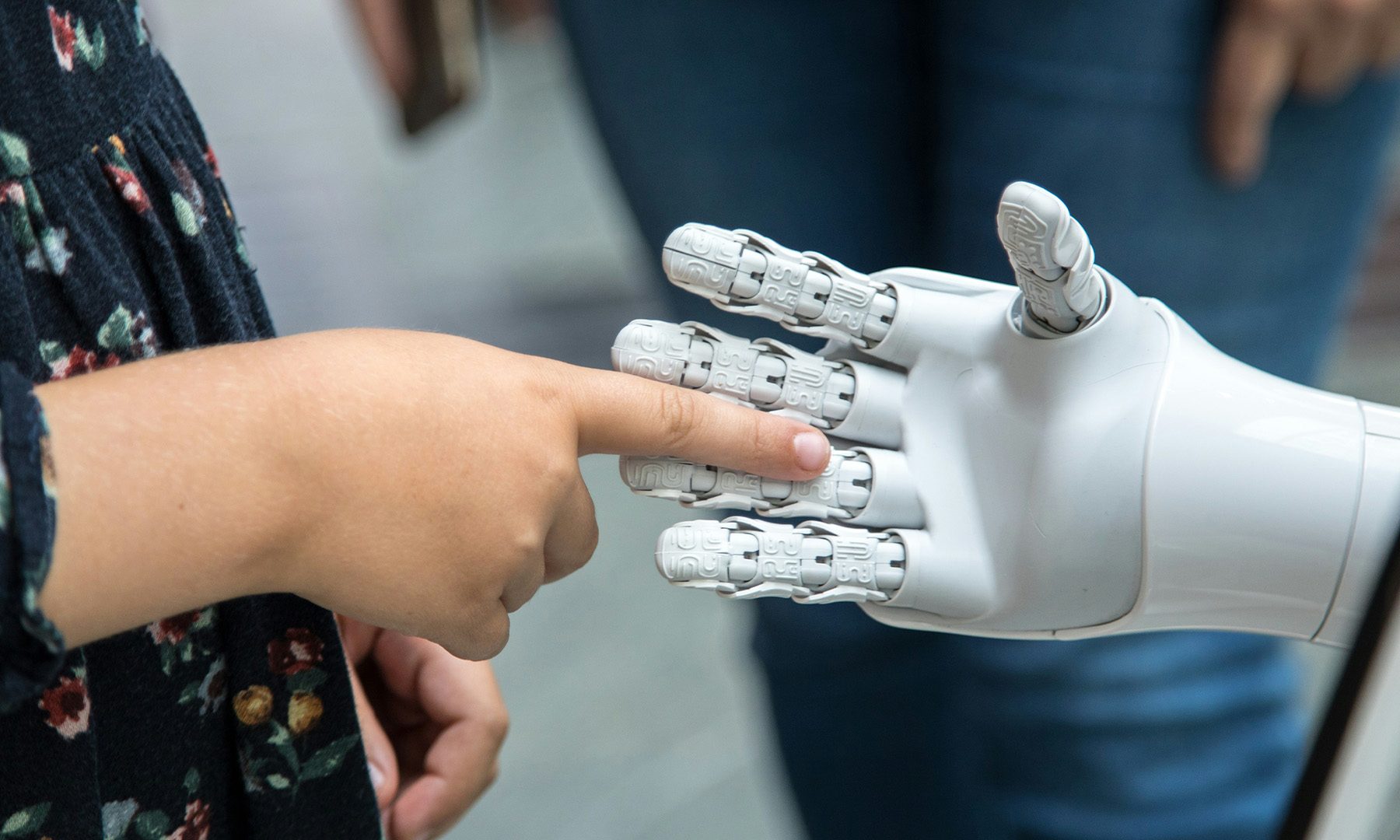
Robot Touch Human Finger

Samsung wants a place in the humanoid race, but its new robotics push begins with machines built for factories rather than homes.

The CEO-led RX robotics division will initially focus on manufacturing robots. Samsung has separately identified humanoids as a priority, although it hasn’t announced a commercial model or explained where one fits into the division’s immediate plans.

Read more
The future of AI may depend on this one behind-the-scenes change
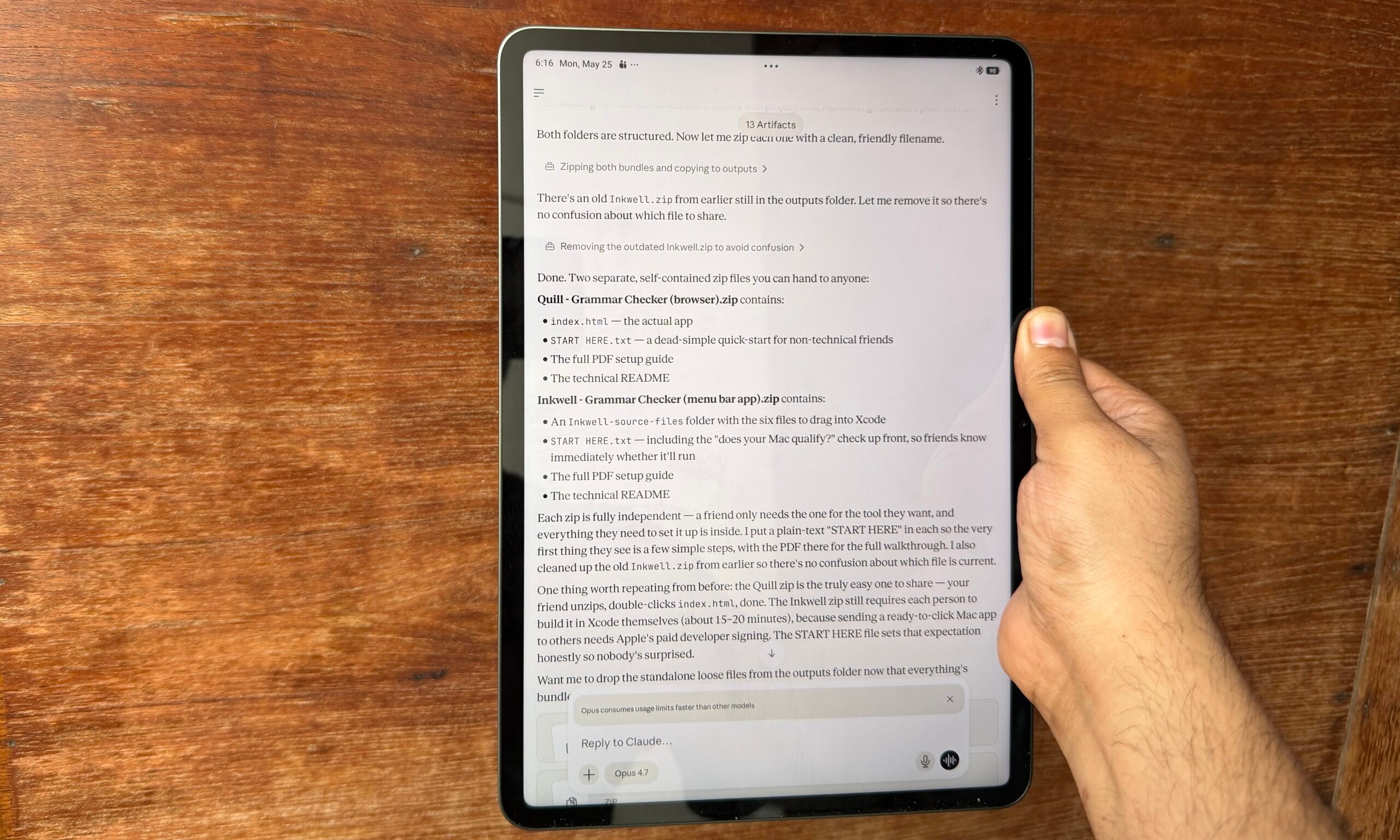
Running Claude on Android.

Whenever a new AI model arrives, it's easy to get caught up in the bells and whistles. We talk about how much smarter it is, how quickly it answers questions, or how realistic its images have become. But here's the thing: none of that matters much if the AI can't reliably work with the apps and services people use every day.

That's why an upcoming update to the Model Context Protocol (MCP) caught my attention. It isn't a new chatbot or a fancy AI model. In fact, most people will never even know it's happening. But it could quietly make the AI ecosystem a lot healthier. If you've never heard of MCP before, don't worry. Think of it as a shared language that lets AI assistants safely talk to apps like Gmail, Slack, calendars, databases, and countless other services. Instead of every company inventing its own way to make those connections, MCP gives everyone a common rulebook.

Read more