1. Home
  2. Emerging Tech
  3. Computing
  4. News

Crisp Clothing uses artificial intelligence to make a shirt that fits perfectly

Add as a preferred source on Google

Finding a tailored shirt that perfectly fits you can be an exercise in futility. Startup Crisp Clothing wants to make it a norm. The family-owned company guarantees it can tailor a shirt to perfectly fit you using your height and weight and recently launched a Kickstarter campaign to receive funding.

The company is founded by father-and-son duo Swapnil and Prakash Kamble. To get the perfect shirt from Crisp, you would need to submit your height and weight to the company during its Kickstarter survey after donating making your purchase before the campaign ends. This is possible because of Bodylabs, the group of engineers and scientists with a technology based on artificial intelligence and machine learning algorithms that get an accurate body measurement. Another example of the future of clothing technology.

Recommended Videos

The shirts are made with 100 percent Egyptian Giza cotton and made by hand by a team of skilled tailors. The shirts currently come in white, black, blue, and pink. Getting your hands on one of them will not come cheap as the shirts will retail for $108 if the campaign reaches its goal. You may be able to get one for as low as pledging $78 toward the campaign, but there are only 12 more shirts left at that price, at the time of publication.

Crisp Clothing promises every shirt will fit perfectly, but just in case it does not, the company is offering $20 worth of alteration credit if it does not fit right. If Crisp can not get it to fit your body perfectly after trying to alter it, you can get a free remake of the shirt.

Custom clothing businesses have a track record of doing well on Kickstarter. In 2013, Threadmason’s Kickstarter campaign accumulated more than $34,000 in pledges for its custom T-shirt business in roughly five weeks. The clothing company’s approach was similar to Crisp’s as people would only need to send in their height, weight, and waist size.

Crisp’s Kickstarter campaign has amassed a little more than $2,000 of its $20,000 funding goal. The campaign ends on July 31. Shirts will ship to most backers in November but will ship in October for those who made an early-bird pledge.

Keith Nelson Jr.
Former Staff Writer, Entertainment
Keith Nelson Jr is a music/tech journalist making big pictures by connecting dots. Born and raised in Brooklyn, NY he…
Yet another study says AI is bad for elections, and the rabbit hole gets worse
AI may be an election bomb waiting for someone to light the fuse
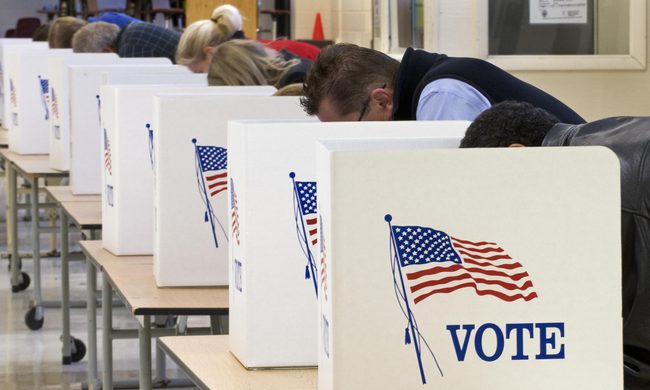
Voters cast their ballots on Election Day

Another election, another study has concluded that asking an AI chatbot for political guidance is a spectacularly bad idea. Research conducted during Hungary’s 2026 parliamentary election found that ChatGPT and Google Gemini offered not just inaccurate but also inconsistent and unreliable voting advice. The chatbots misclassified voter profiles, overlooked relevant parties, recommended parties absent from the ballot, and sometimes produced materially different answers when given the same information repeatedly.

AI keeps failing the voter test

Read more
Samsung’s humanoid robot ambitions are real, but factories come first
Samsung’s new robotics division has humanoids in its sights, although its immediate business is far more practical factory automation
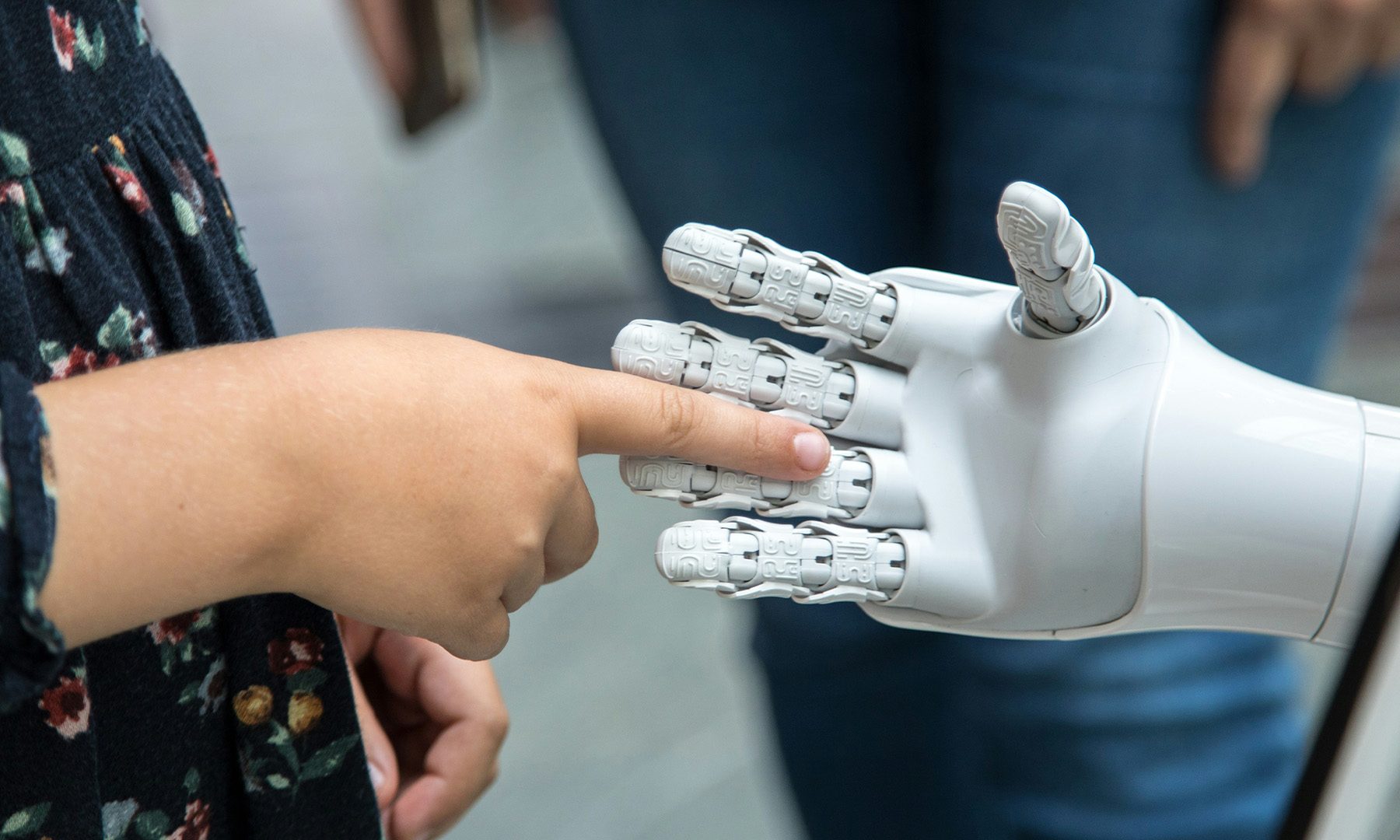
Robot Touch Human Finger

Samsung wants a place in the humanoid race, but its new robotics push begins with machines built for factories rather than homes.

The CEO-led RX robotics division will initially focus on manufacturing robots. Samsung has separately identified humanoids as a priority, although it hasn’t announced a commercial model or explained where one fits into the division’s immediate plans.

Read more
The future of AI may depend on this one behind-the-scenes change
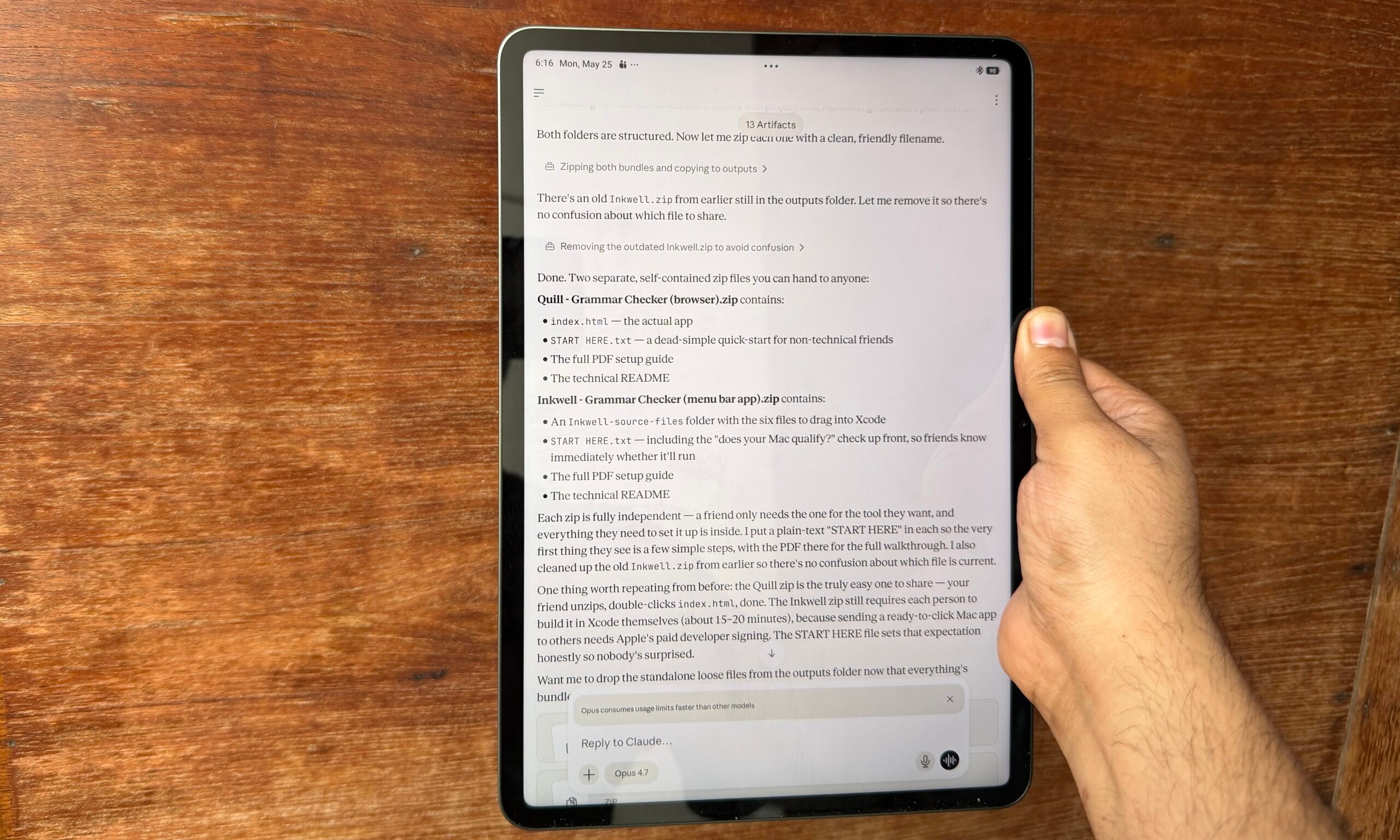
Running Claude on Android.

Whenever a new AI model arrives, it's easy to get caught up in the bells and whistles. We talk about how much smarter it is, how quickly it answers questions, or how realistic its images have become. But here's the thing: none of that matters much if the AI can't reliably work with the apps and services people use every day.

That's why an upcoming update to the Model Context Protocol (MCP) caught my attention. It isn't a new chatbot or a fancy AI model. In fact, most people will never even know it's happening. But it could quietly make the AI ecosystem a lot healthier. If you've never heard of MCP before, don't worry. Think of it as a shared language that lets AI assistants safely talk to apps like Gmail, Slack, calendars, databases, and countless other services. Instead of every company inventing its own way to make those connections, MCP gives everyone a common rulebook.

Read more