1. Home
  2. Computing
  3. News

$20 antennas can now help breach 256-bit encryption standards

Add as a preferred source on Google

Security researchers have devised a method of defeating AES-256bit encryption in as little as five minutes, and most importantly, you don’t need an expensive supercomputer to do it. The technique leverages radio hardware to measure the frequency changes in the magnetic field generated during encryption to record and decode the information from a distance.

Manufacturing and digital security often have the project management triangle in common. Defeating security and breaching encryption can rarely be done fast, well and without significant cost. But what this Fox-IT technique achieves is very close to that ideal, offering the ability to crack even complex AES-256bit encryption in a few minutes with relatively cheap, off-the-shelf hardware.

Recommended Videos

Although using more-expensive radio recording hardware can yield better results, the technique is capable of cracking software encryption using just a $25 USB stick and a small wire loop antenna.

By measuring the power output of the encrypting system, the snoopers can tell when an algorithm is receiving input data and later outputting it in an encrypted form. With a mixture of guesswork and correlation, the researchers are able to take that and begin to decode the AES algorithm. By attempting to figure out what the correct value (of 256 options) for each of the 32 bytes is, only 8,192 guesses must be made.

If you were to attempt to brute force hack the encrypted message itself, you’d be making an impossible number of guesses (two, to the power of 256). This technique makes the impossible not only viable but easy.

Better yet, the technique doesn’t require direct access to the encrypting hardware. The researchers were able to perform the technique from up to a meter away.

That was technically only possible because of ideal testing conditions though. In reality, the most even those with high-end equipment could expect to conduct such an attack is from 30 centimeters away. Still, being able to make such an attack from a distance with cheap hardware highlights the potential for new attack vectors against typically near-foolproof encryption systems.

Although breaking open someone’s obfuscated files is almost always going to be easier if you “extract” the decryption key from the owner, this system offers a new way for all sorts of organizations and individuals to target it. In turn, this should lead to better shielding for protected hardware in the future.

Jon Martindale
Jon Martindale covers how to guides, best-of lists, and explainers to help everyone understand the hottest new hardware and…
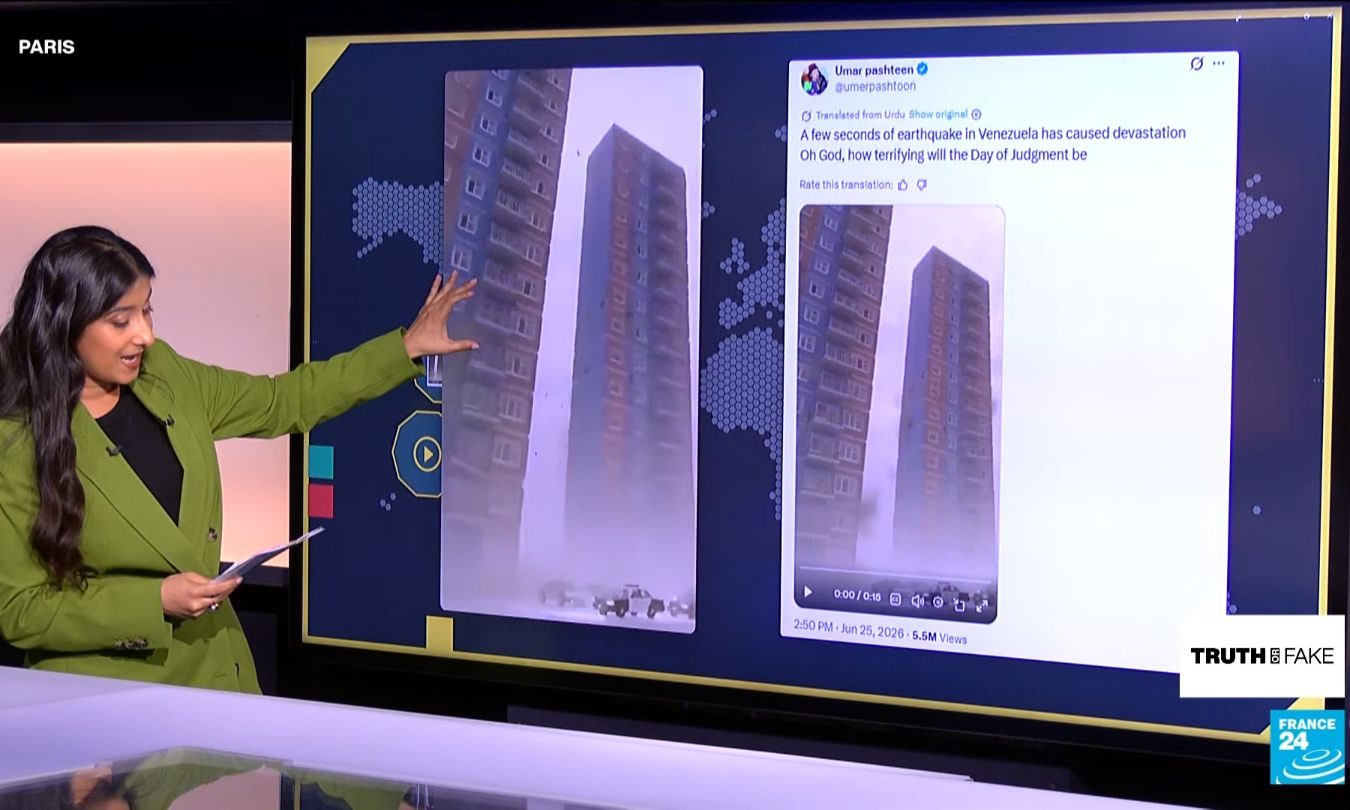
AI’s latest problem is deepfake disaster content for farming engagement
Fake and recycled videos from disasters in Venezuela and China are making social media feeds harder to trust when people need accurate updates quickly
Electronics, Screen, Adult

Social feeds around the earthquakes in Venezuela filled with recycled footage and AI-generated destruction. Severe weather in China attracted its own wave of AI disaster videos, including fabricated flood scenes and false reports of power outages.

It creates an ugly race. People want immediate evidence of what happened, and AI slop can deliver something dramatic before reliable information catches up. Authentic updates are left competing with fiction precisely when confusion can send people scrambling for answers.

Read more
Think twice before downloading your next Windows 11 app from Google
Your Windows app search results have become a malware minefield
Windows 11 Laptop

Searching Google for a Windows utility and clicking the first convincing result has always carried some risk. A newly uncovered network of fake websites has made that familiar habit considerably more dangerous. More than 70 domains were found impersonating popular Windows apps. This includes Microsoft PowerToys, CrystalDiskMark, EasyBCD, Wintoys, Lively Wallpaper, and SignalRGB.

Windows Latest reports that many of the lookalike sites appear above the genuine project pages in Google results, despite having no connection to the developers behind the apps. Some currently redirect their download buttons to legitimate Microsoft Store pages, which may be part of the attack.

Read more
4 desk lamps I’d actually recommend for your back-to-school study setup
Good lighting won't do your homework, but it'll help you actually finish it.
desk lamp with white wall behind it

Back-to-school season means new notebooks, a planner you'll abandon by October, and way too many hours spent hunched over a desk lit by nothing but your laptop screen. If you've ever pulled an all-nighter or squinted through an assignment at 2 AM, you already know a good desk lamp isn't optional. It's survival gear.

I went through a bunch of options this year and picked four that actually earn a spot on your desk, whether you're working with a dorm-room budget or setting up a proper home office.

Read more