1. Home
  2. Emerging Tech
  3. Outdoors
  4. News

Make exploding batteries a thing of the past with the Chic Pi hoverboard

Add as a preferred source on Google

Hoverboards have suffered quite the bad rap over the last several years, what with exploding batteries making for distinctly uninviting rides. But now, there’s a new hoverboard hoping to change our perceptions once and for all. Meet the Chic Pi, heralded as the 2.0 version of the hoverboard that we all deserve.

Let’s start with the most contentious component of the board: The battery. Unlike previous models, the Chic Pi boasts the world’s first aluminum casing battery, which promises better heat emission, flame-retardant capabilities, and extra protection. Moreover, Chic Pi promises that this battery features no wires, which reduces the risk of an electrical short. Consequently, the team claims, the Pi Hoverboard has a zero percent fire risk (though we’d certainly take that claim with a large grain of salt).

Recommended Videos

As far as the design of the board is concerned, the Pi features a unibody setup that is entirely disparate from the traditional modular approach. Rather, this one-piece frame is made of aluminum, which promises to be stronger and more durable than its plastic counterparts. And because the foot pedals are precisely located and immovable, even beginner riders should be able to master operations in a short amount of time.

Moreover, the frame is completely sealed, which means that it’s IP55 water and dust resistant. So whether you’re boarding through a puddle or through sand (though the later seem more difficult), rest assured that the Pi can handle it.

The Pi also allows you to power it on without using your hands. Simply slide the board forward and backward once, and it will turn itself on automatically. Don’t bother pressing any power buttons with your hands — just place the Pi on the ground and get moving.

Of course, because this is a modern device, the Pi comes with a companion app that will allow you to set turning sensitivity, specific LED light styles, max speeds, and other parameters based on your comfort level and abilities. And as you become more of an expert, you can always change your settings accordingly.

Soon to come on Kickstarter, the Chic Pi will set you back $399, and should be delivered by the holidays.


Lulu Chang
Fascinated by the effects of technology on human interaction, Lulu believes that if her parents can use your new app…
Yet another study says AI is bad for elections, and the rabbit hole gets worse
AI may be an election bomb waiting for someone to light the fuse
Voters cast their ballots on Election Day

Another election, another study has concluded that asking an AI chatbot for political guidance is a spectacularly bad idea. Research conducted during Hungary’s 2026 parliamentary election found that ChatGPT and Google Gemini offered not just inaccurate but also inconsistent and unreliable voting advice. The chatbots misclassified voter profiles, overlooked relevant parties, recommended parties absent from the ballot, and sometimes produced materially different answers when given the same information repeatedly.

AI keeps failing the voter test

Read more
Samsung’s humanoid robot ambitions are real, but factories come first
Samsung’s new robotics division has humanoids in its sights, although its immediate business is far more practical factory automation
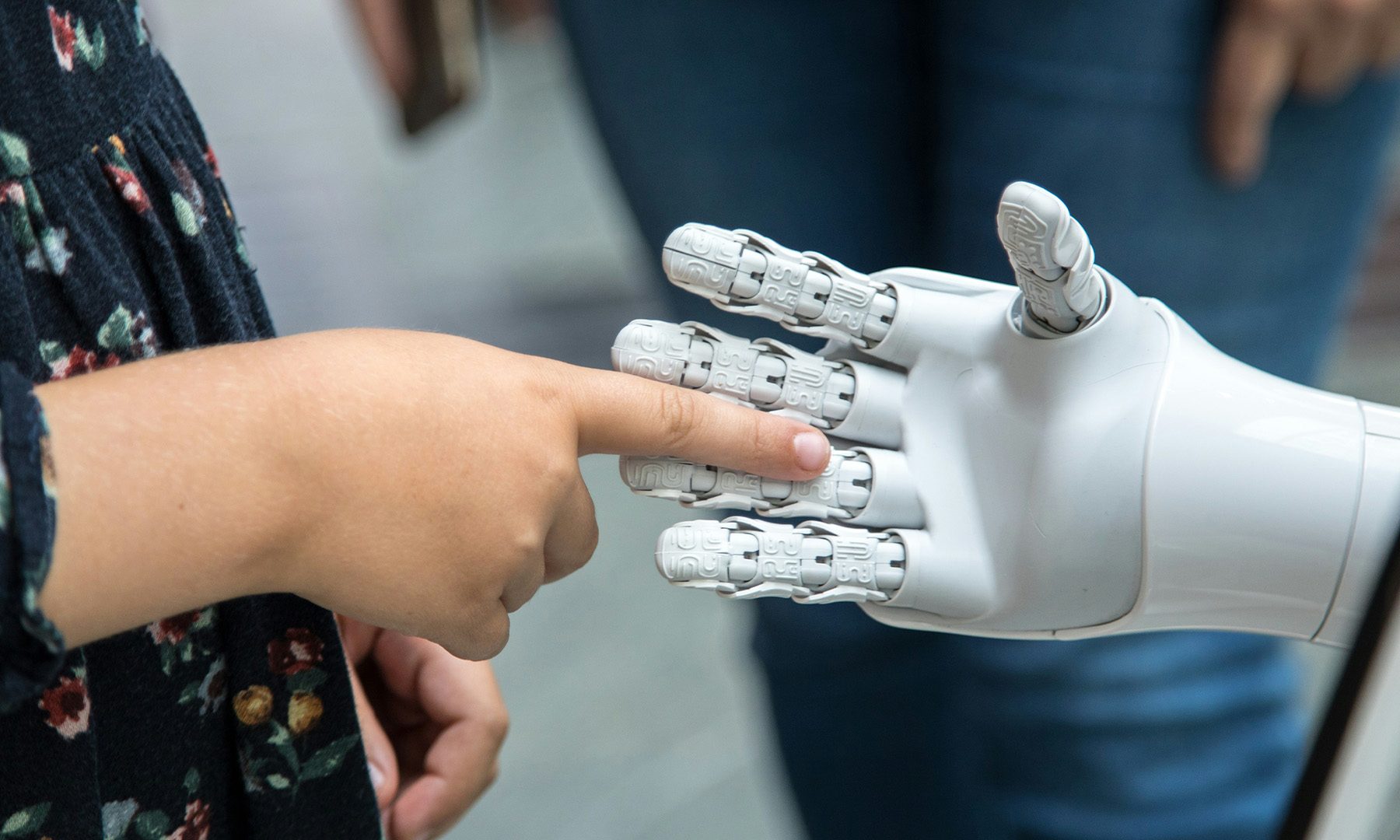
Robot Touch Human Finger

Samsung wants a place in the humanoid race, but its new robotics push begins with machines built for factories rather than homes.

The CEO-led RX robotics division will initially focus on manufacturing robots. Samsung has separately identified humanoids as a priority, although it hasn’t announced a commercial model or explained where one fits into the division’s immediate plans.

Read more
The future of AI may depend on this one behind-the-scenes change
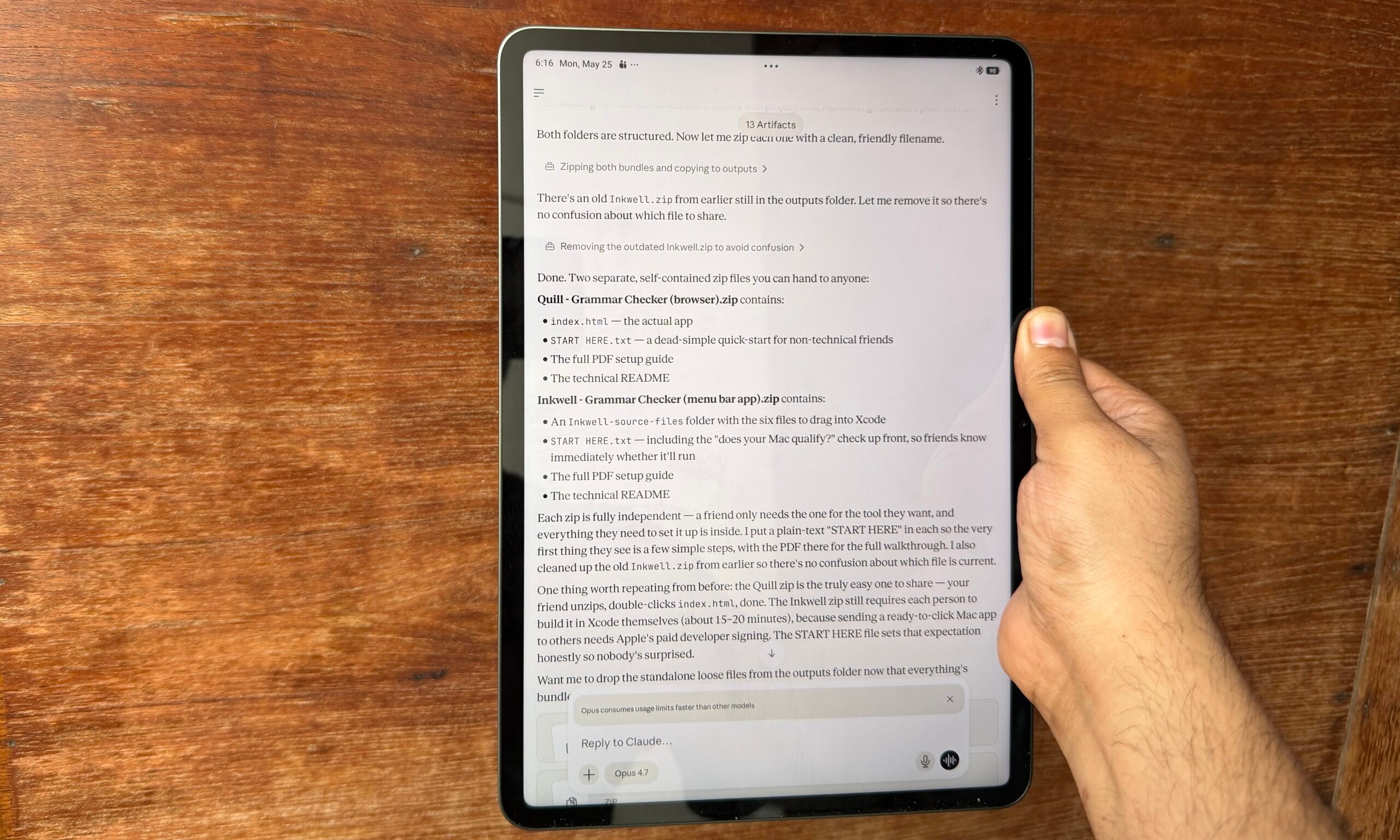
Running Claude on Android.

Whenever a new AI model arrives, it's easy to get caught up in the bells and whistles. We talk about how much smarter it is, how quickly it answers questions, or how realistic its images have become. But here's the thing: none of that matters much if the AI can't reliably work with the apps and services people use every day.

That's why an upcoming update to the Model Context Protocol (MCP) caught my attention. It isn't a new chatbot or a fancy AI model. In fact, most people will never even know it's happening. But it could quietly make the AI ecosystem a lot healthier. If you've never heard of MCP before, don't worry. Think of it as a shared language that lets AI assistants safely talk to apps like Gmail, Slack, calendars, databases, and countless other services. Instead of every company inventing its own way to make those connections, MCP gives everyone a common rulebook.

Read more