1. Home
  2. Emerging Tech
  3. News

Innovative drone delivery concept DelivAir delivers right to your hands

Add as a preferred source on Google

Drone deliveries are in the weird position of seeming both totally futuristic and also old news. While most of us haven’t yet been the recipient of a drone delivery (although they are happening), it’s also been a whole four years since Amazon first showed off concept footage of its Prime Air drone service. A U.K.-based product design and development firm, Cambridge Consultants, is here to put a new spin on the idea, however, and it’s pretty darn cool.

Nicknamed DelivAir, the concept is to use drones not just to deliver packages to your address, but right into your hands, regardless of where you are in the world. To do that, it uses GPS to track your phone location, since this is a much more accurate way of determining where you’re likely to be at any given moment than simply heading to the address you’re registered at. Once it’s in range, it uses image recognition technology to identify the correct recipient. The person expecting a delivery then confirms their identity by way of a flashed coded pattern sent by the phone LED flash, after which the drone drops your package down via a winch.
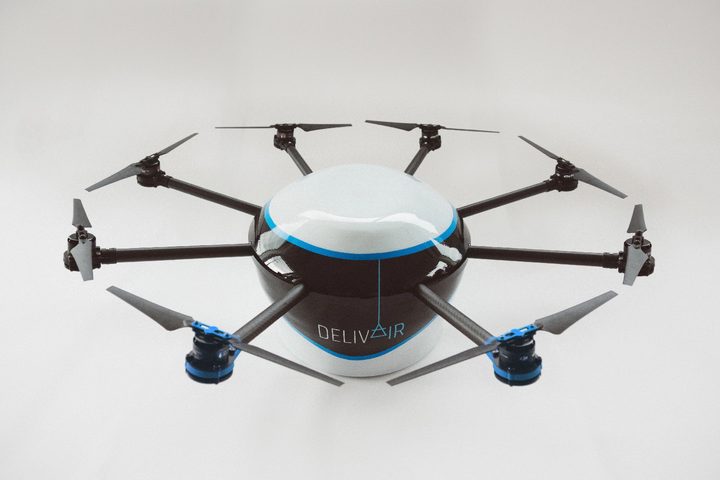
Image used with permission by copyright holder

“The initial point of this project was to figure out a way to do drone deliveries while keeping the drone safely away from people,” engineer Sunil Gujral told Digital Trends. “Getting a powerful winch in a small package was one of the biggest challenges we faced, and required us to develop a bespoke winding mechanism.”

Recommended Videos

The concept may sound a little silly, but the idea of ultra-precise drone deliveries actually makes a whole lot of sense. One possible scenario in which this could be useful involves confidential deliveries. A more likely one might involve emergency deliveries — such as delivering an EpiPen or a defibrillator to a person in need — when they are away from home. “Particularly in cases where people’s lives are at risk after a natural disaster, drones such as this could come in very quickly and deliver individual packages of either food or medicine,” Gujral continued.
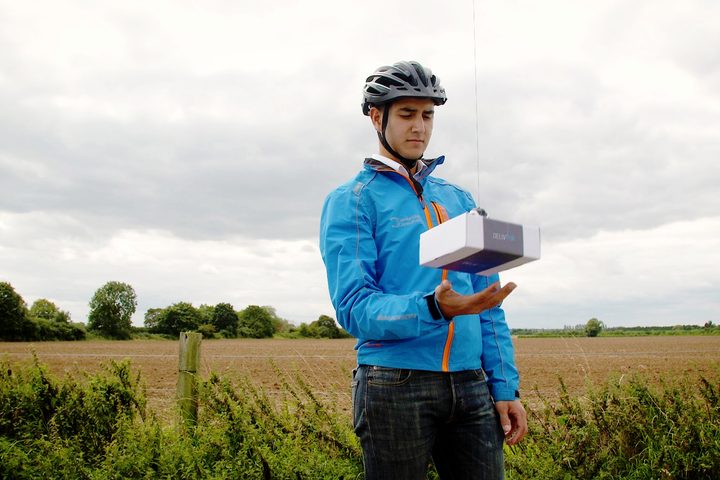
Image used with permission by copyright holder

So when will such drone deliveries start taking place? Not for a while, sadly.

“Right now, this is a fully functional prototype,” Gujral said. “Everything you see in our demo video is possible and implemented. If you have a phone with the app and you’re in a locale where drone delivery is legally permitted, our drone can automatically fly to where your phone is and deliver a package. The caveat, of course, is that the number of places where you can fly a drone is still limited. That’s why we’re still describing this as a concept at this stage.”

Luke Dormehl
I'm a UK-based tech writer covering Cool Tech at Digital Trends. I've also written for Fast Company, Wired, the Guardian…
Samsung’s humanoid robot ambitions are real, but factories come first
Samsung’s new robotics division has humanoids in its sights, although its immediate business is far more practical factory automation
Robot Touch Human Finger

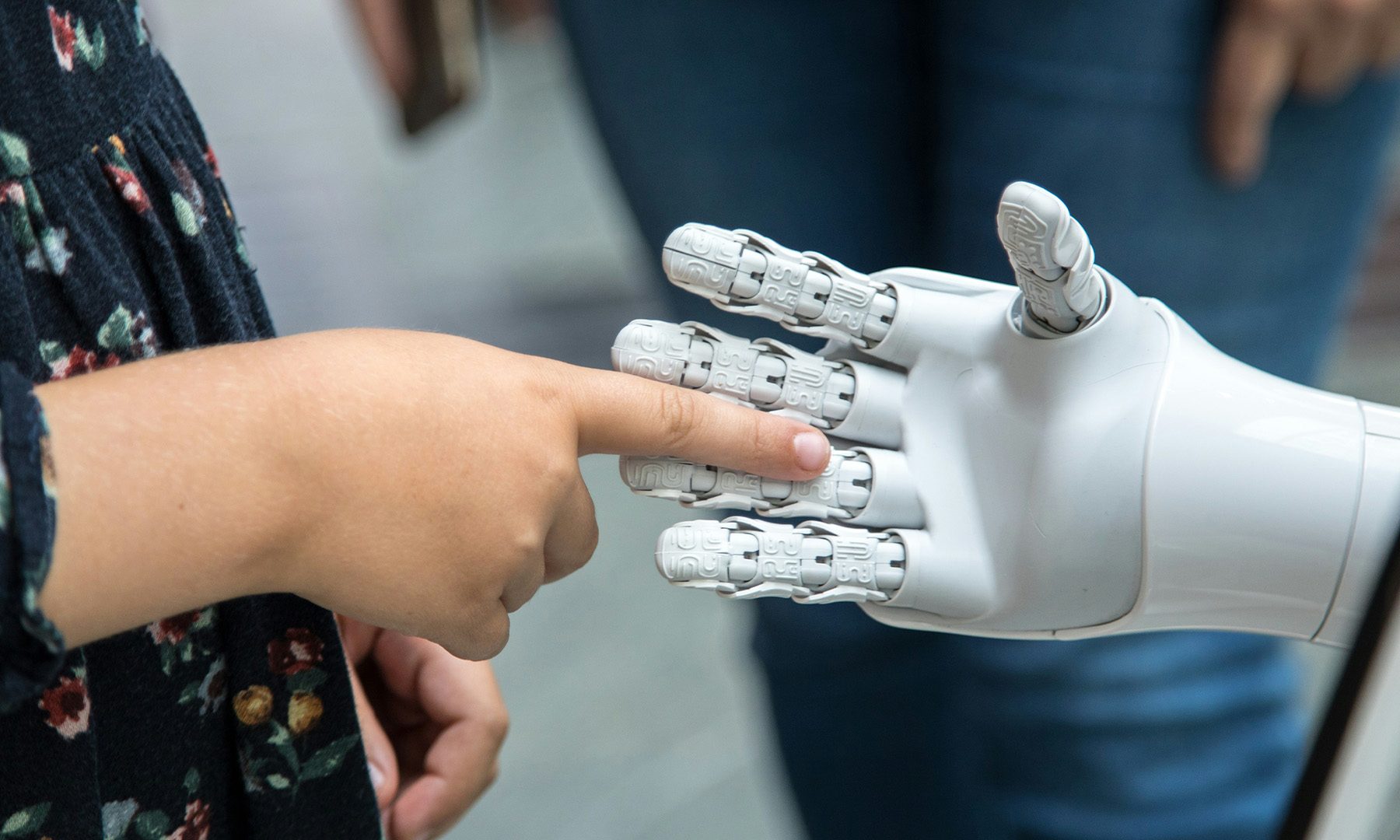
Samsung wants a place in the humanoid race, but its new robotics push begins with machines built for factories rather than homes.

The CEO-led RX robotics division will initially focus on manufacturing robots. Samsung has separately identified humanoids as a priority, although it hasn’t announced a commercial model or explained where one fits into the division’s immediate plans.

Read more
The future of AI may depend on this one behind-the-scenes change
Running Claude on Android.

Whenever a new AI model arrives, it's easy to get caught up in the bells and whistles. We talk about how much smarter it is, how quickly it answers questions, or how realistic its images have become. But here's the thing: none of that matters much if the AI can't reliably work with the apps and services people use every day.

That's why an upcoming update to the Model Context Protocol (MCP) caught my attention. It isn't a new chatbot or a fancy AI model. In fact, most people will never even know it's happening. But it could quietly make the AI ecosystem a lot healthier. If you've never heard of MCP before, don't worry. Think of it as a shared language that lets AI assistants safely talk to apps like Gmail, Slack, calendars, databases, and countless other services. Instead of every company inventing its own way to make those connections, MCP gives everyone a common rulebook.

Read more
The AI game-dev boom has a dark side: fewer jobs for the people starting out
Solo creators are thriving with tools like Claude Code and Copilot, but entry-level game roles are disappearing.
Man playing a video game on a desktop with glowing red and blue lights

AI is making it easier than ever for a single person to build a game. That sounds like a win for creativity, and in many ways, it absolutely is. But there is a catch. As generative AI tools help solo developers and small studios do more with fewer people, the same shift is making life tougher for writers, artists, concept creators, and junior programmers trying to break into the gaming industry.

AI is giving solo developers superpowers

Read more