1. Home
  2. Wearables
  3. Android
  4. Apple
  5. Business
  6. Mobile
  7. News

Smart wearables market keeps growing as Fitbit and Xiaomi lead the way

Add as a preferred source on Google

While smartphone sales continue to grow, the wearable segment of the market also seems to be on the rise. According to a report from market research firm IDC, the wearables market grew as much as 7.3 percent in the third quarter, thanks largely to the rise of so-called “smart wearables.”

What are smart wearables? Well, IDC defines them as devices that can run third-party apps, while devices that can’t are defined as “basic wearables.”

Recommended Videos

“The differing trajectories for both smart and basic wearables underscore the ongoing evolution for the wearables market,” said Ramon T. Llamas, research manager for IDC’s Wearables team, in a blog post.

The wearable market in general has had a bit of a bumpy ride over the past few years. — leading us to question whether the market can survive at all. When the market first emerged with devices like the Pebble and eventually the original Apple Watch, many hailed wearables as the next big wave of tech that was poised to eventually take over the smartphone as our main way of connecting with the digital world. These days, wearables are seen more as an extension of the smartphone, and while some wearables, like the new Apple Watch, are getting LTE connectivity, they’re still not really billed as stand-alone devices.

Still, the new figures are promising for wearables in general. Fitbit and Xiaomi both had excellent years, and both ended in a statistical tie for first place in the wearables market. That’s actually bad news for Fitbit, which posted a decline in shipments, despite launching its first smartwatch — the Fitbit Ionic. Fitbit and Xiaomi ended with 13.7 percent of the wearable market each.

Apple, on the other hand, did see some growth — thanks in large part  to the launch of the Apple Watch Series 3, which boasts LTE connectivity. Apple comes in with 10.3 percent of the wearable market.

Perhaps most interesting is Huawei, which is fourth on the list. The company posted massive 156.4 percent year-over-year growth, thanks to its slew of new fitness bands and its new smart hearables, the Sport Pulse Earphones, which both play audio and track heart rate. Most of Huawei’s wearables shipments took place in China, but we’ll very possibly see Huawei move beyond China and into other markets in the near future.

Christian de Looper
Christian de Looper is a long-time freelance writer who has covered every facet of the consumer tech and electric vehicle…
A smart glasses detector is now among the top paid apps on Apple’s App Store
Smart glasses have become so unsettling that people are buying proximity alerts
A Ray-Ban Meta Glasses wearer talks to another person using live translation.

An iPhone app designed to alert users when smart glasses may be nearby has climbed to No. 3 on the US paid App Store chart. Its name, AntiZuck Smart Glasses Scanner, leaves little doubt about how the developer feels about Meta’s camera-equipped glasses.

The app costs $2.99 and scans for Bluetooth signals linked to smart glasses. It can spot Meta Ray-Bans, Snap Spectacles, Amazon Echo Frames, and RayNeo glasses, then sends an alert when it believes one is nearby.

Read more
DuckDuckGo’s new smart glasses come with zero AI and 100% shade
No camera, no mic, no AI, just glass that blocks the sun the way sunglasses always have.
DuckDuckGo smart glasses

Smart glasses have quietly morphed into tiny surveillance cameras that people willingly wear on their faces. Every other week, a new pair promises to record video, listen to conversations, and feed it to an AI model somewhere in the cloud. They are causing such havoc that they have earned a new name: “pervert glasses.”

Not only are these glasses a privacy nightmare for people being recorded but also for people using them. A recent investigation by Swedish newspaper Svenska Dagbladet showed that Meta Ray-Ban glasses were uploading intimate and private recordings for training its AI. 

Read more
Apple’s new Upgrade plan won’t punish missed payments with restrictions, but three strikes could end your lease
Restricted Mode remains in iOS 27 beta, but Apple says it won’t be used for Upgrade payment defaults
Computer, Electronics, Laptop

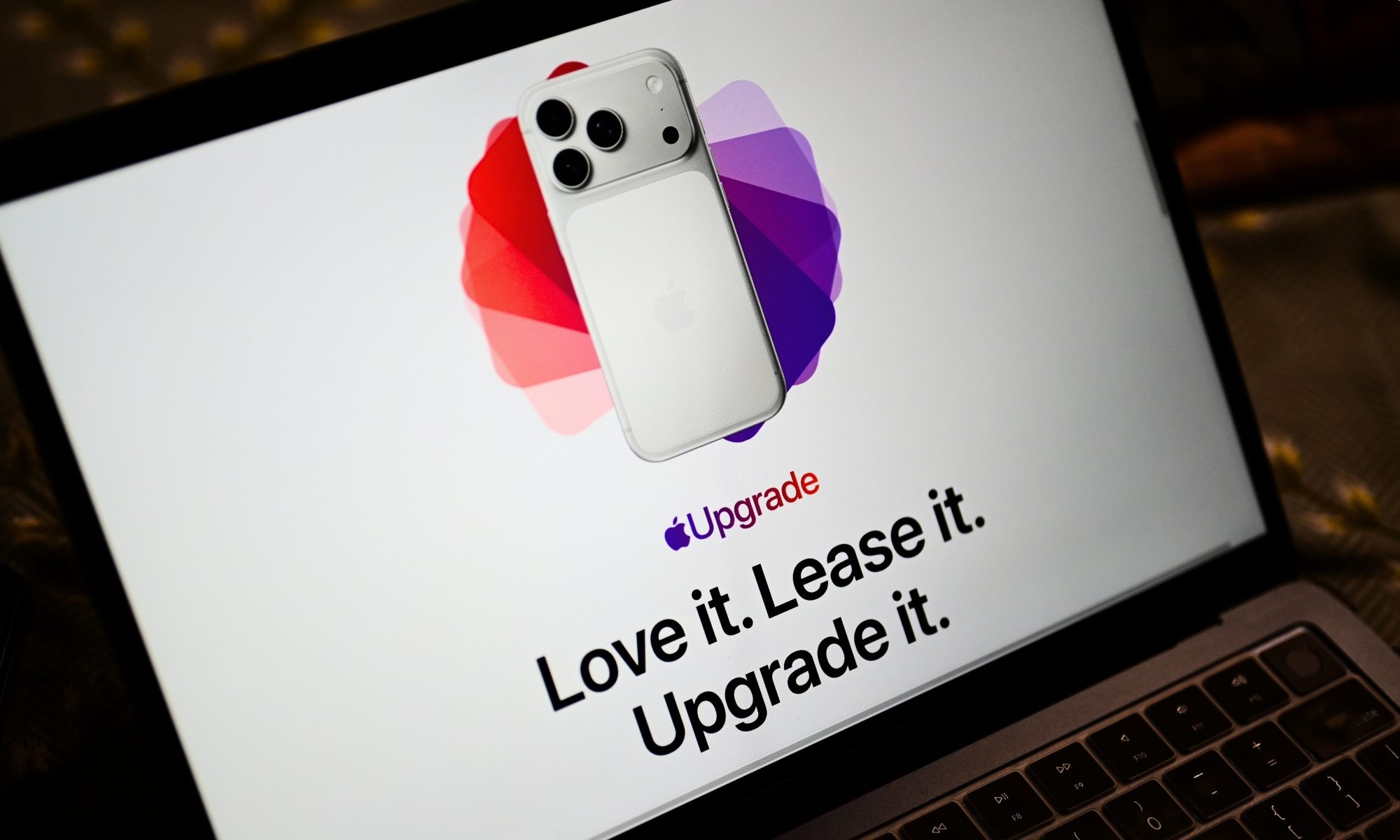
Apple recently announced its new Apple Upgrade leasing plan, which lets customers pay monthly for an iPhone, iPad, Mac, or Apple Watch through Klarna. The program replaces the long-running iPhone Upgrade Program and expands the option beyond phones for the first time.

However, code discovered by 9to5Mac in an iOS 27 beta raised concerns about what could happen if someone fell behind on payments. The new App Managed Features system appeared capable of checking a customer’s payment status and placing a financed device into Restricted Mode.

Read more