1. Home
  2. Emerging Tech
  3. Virtual Reality
  4. News

Between brain-controlled VR and karaoke, HTC has wild plans for the Vive

Add as a preferred source on Google

Given how many competing products and startups there are in the space, it’s easy to forget that we’re still in a relatively early stage with virtual reality technology. But companies are now starting to truly invest in the wealth of applications and industries that will be revolutionized by VR.

The latest example? HTC Vive, which this week announced that its Vive X accelerator program is investing in 26 new companies, all with different ideas and approaches to building and advancing the global VR ecosystem.

Recommended Videos

These companies include innovative startups like Neurable, which is developing brain-computer interfaces for VR control — with the goal of making “mind-controlled” virtual reality a, ahem, real reality, using the latest machine-learning technology to interpret electroencephalography (EEG) signals.

“Neurable is a brain-computer interface company with propriety machine learning technology that allows people to interact — click, type and manipulate — in the real and virtual world using brain activity in real-time with unparalleled speed and accuracy,” a spokesperson for the company told Digital Trends. “Our first product is an EEG brain recording strap for the HTC Vive that leverages our software developer kit, and allows developers to start creating next-generation brain-based applications.”

Image used with permission by copyright holder

Another startup receiving investment is the intriguing-sounding eLoupes, focused on providing a real-time surgical imaging system for the operating room. Combining light-field rendering and head-mounted displays, the hope is that hospitals can incorporate HTC Vive VR into their workflow in a way that both saves costs and improves patient outcomes.

We won’t list all of the startups in the accelerator here, but they seemingly cover everything from tools to allow fashion designers to create and test clothes in VR to (as a personal favorite of ours) a VR karaoke experience.

“We look for companies that would typically be considered to be too advanced for accelerators,” Marc Metis, vice president of HTC Vive, told us. “The reason we can attract such talent and technology is the value we add, as well as our open and agnostic approach. Vive X can leverage resources and expertise in many areas of the overall Vive business — including hardware, software, and services, and do this globally.”

Watch this space in 2018! It seems that some exciting innovations are coming down the track.

Luke Dormehl
I'm a UK-based tech writer covering Cool Tech at Digital Trends. I've also written for Fast Company, Wired, the Guardian…
This $249 LED sign wants to fix your work-life balance
My productivity isn't worth $249... or is it?
Flipper Busy Bar

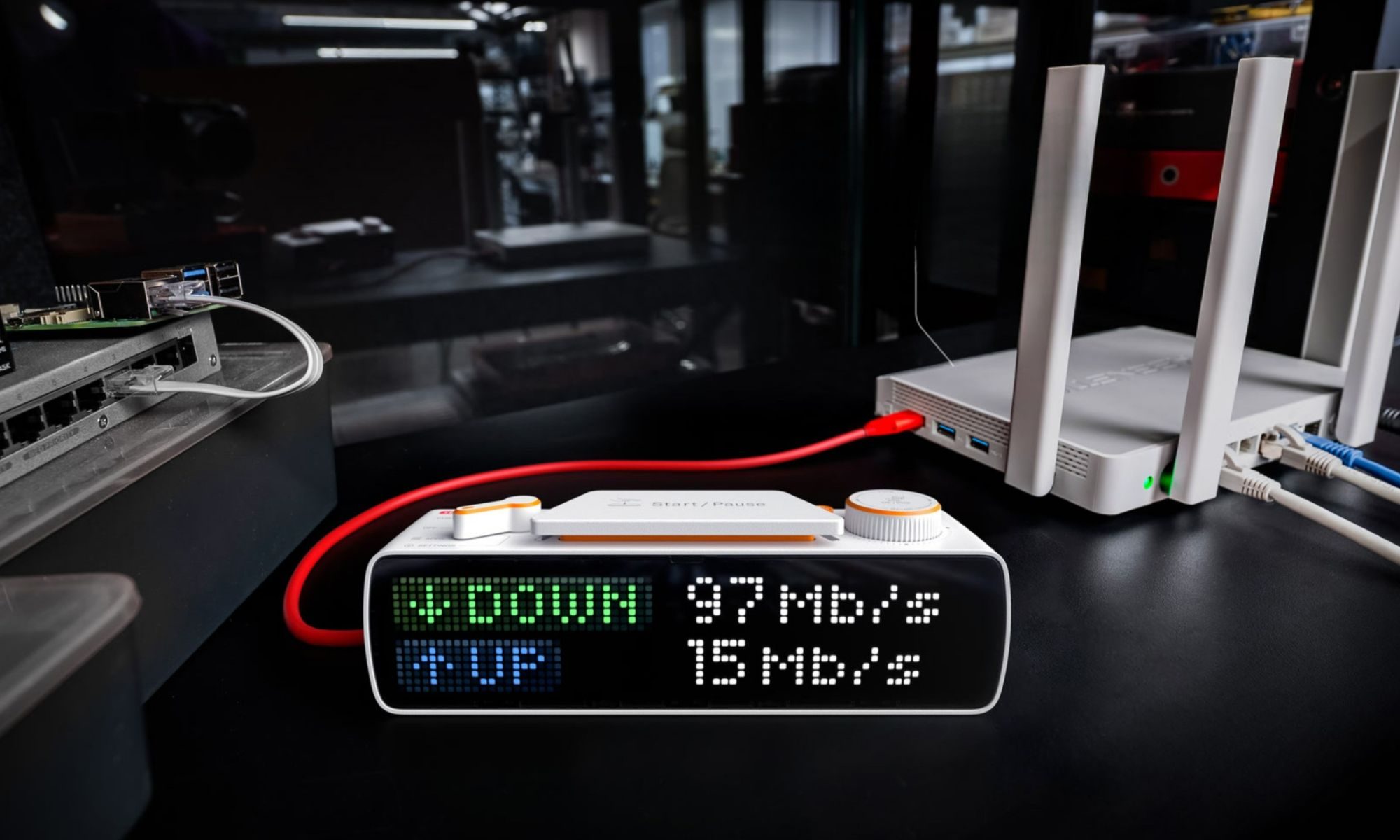
Flipper Devices has built a reputation among hackers and hardware enthusiasts with the Flipper Zero, a pocket-sized gadget capable of interacting with RFID, NFC, Bluetooth, and other wireless protocols. Now, the London-based company is taking a very different approach.

Its latest product, the Busy Bar, is a desktop productivity display designed to help users stay focused, signal their availability, and automate parts of their workflow. After being teased last year, the device is finally going on sale on July 14. While the concept is genuinely clever, its starting price of up to $249 may make many buyers think twice.

Read more
FAA clears the runway for Mach flights that could cut travel times nearly in half
New regulations could dramatically reduce travel times while keeping sonic booms under control.
Supersonic Flight Time

The dream of flying faster than the speed of sound just took a major step forward. The Federal Aviation Administration (FAA) has announced a proposed rule that would create the first noise-based certification standards for a new generation of supersonic passenger aircraft, removing one of the biggest regulatory hurdles standing in the way of commercial Mach 1+ flights.

The goal is simple: fly faster without the boom

Read more
NotebookLM’s 60-second videos turned my doomscrolling curse into something useful
Electronics, Mobile Phone, Phone

Short videos have taken over just about every app we use. You scroll through them on X, lose track of time on Instagram, watch them on YouTube, and now even Netflix has its own bite-sized feed. So when I heard that Google was bringing the format to NotebookLM, it felt both surprising and completely inevitable at the same time.

Google has announced Short Video Overviews for NotebookLM, a feature that turns dense documents and complicated sources into 60-second vertical videos that explain key ideas. Instead of staring at pages of notes, you get a quick visual walkthrough of the concept you're trying to understand.

Read more