1. Home
  2. Emerging Tech
  3. s

Watch as we crawl inside Furrion Robotics’ gargantuan Prosthesis racing mech

Add as a preferred source on Google

When you think of racing, chances are that either horses or something with wheels comes to mind, but that doesn’t have to be the case. Furrion Robotics is working on Prosthesis, a walking mech that it hopes will eventually compete in the X1 Mech Racing League, which Furrion founded. We caught up with the company’s founder and CEO, Jonathan Tippett, on the CES 2018 show floor to chat about Prosthesis, and even got the chance to climb inside.

“My youth was spent mountain biking and snowboarding and riding motorcycles in the mountains of [British Columbia],” Tippett told Digital Trends. “I also had a fascination with excavators, dinosaurs, trophy trucks, dune buggies. You kind of mix that all together at Burning Man and get yourself an engineering degree, and out comes a racing mech.”

Recommended Videos

Tippett started planning what would eventually become Prosthesis as far back as 2006. He and his friends organized a yearly local competition in Vancouver, BC, based on the show Junkyard Wars. The challenge one year was to build a walking machine, and Tippett’s team successfully built one in just 48 hours. That experience created a team that built a more advanced walking machine called the Mondo Spider, which gave Tippett crucial experience building this type of machine. Eventually, he and his team built a single prototype leg that led Furrion to sign on for a full prototype.

Still, building a machine is just the start. Actually making it move — and quickly at that — is a much trickier problem. While Prosthesis was hardly graceful at first, Furrion posted a video earlier this week that shows it moving much more like something that could eventually race. Eventually.

“We’ve literally just got this machine walking,” Tippett says. “So, the next stage is to increase the walking speed, which is an engineering challenge and a piloting challenge, because no one has walked one of these things before.”

While other companies are investing heavily in A.I., and machine learning will likely play a part in keeping Prosthesis stable and upright, the idea is that it will remain 100 percent human-controlled. “It’s a sport,” Tippet says. “The whole point was to invent a sport.”


Kris Wouk
Former Contributor
Kris Wouk is a tech writer, gadget reviewer, blogger, and whatever it's called when someone makes videos for the web. In his…
Yet another study says AI is bad for elections, and the rabbit hole gets worse
AI may be an election bomb waiting for someone to light the fuse
Voters cast their ballots on Election Day

Another election, another study has concluded that asking an AI chatbot for political guidance is a spectacularly bad idea. Research conducted during Hungary’s 2026 parliamentary election found that ChatGPT and Google Gemini offered not just inaccurate but also inconsistent and unreliable voting advice. The chatbots misclassified voter profiles, overlooked relevant parties, recommended parties absent from the ballot, and sometimes produced materially different answers when given the same information repeatedly.

AI keeps failing the voter test

Read more
Samsung’s humanoid robot ambitions are real, but factories come first
Samsung’s new robotics division has humanoids in its sights, although its immediate business is far more practical factory automation
Robot Touch Human Finger

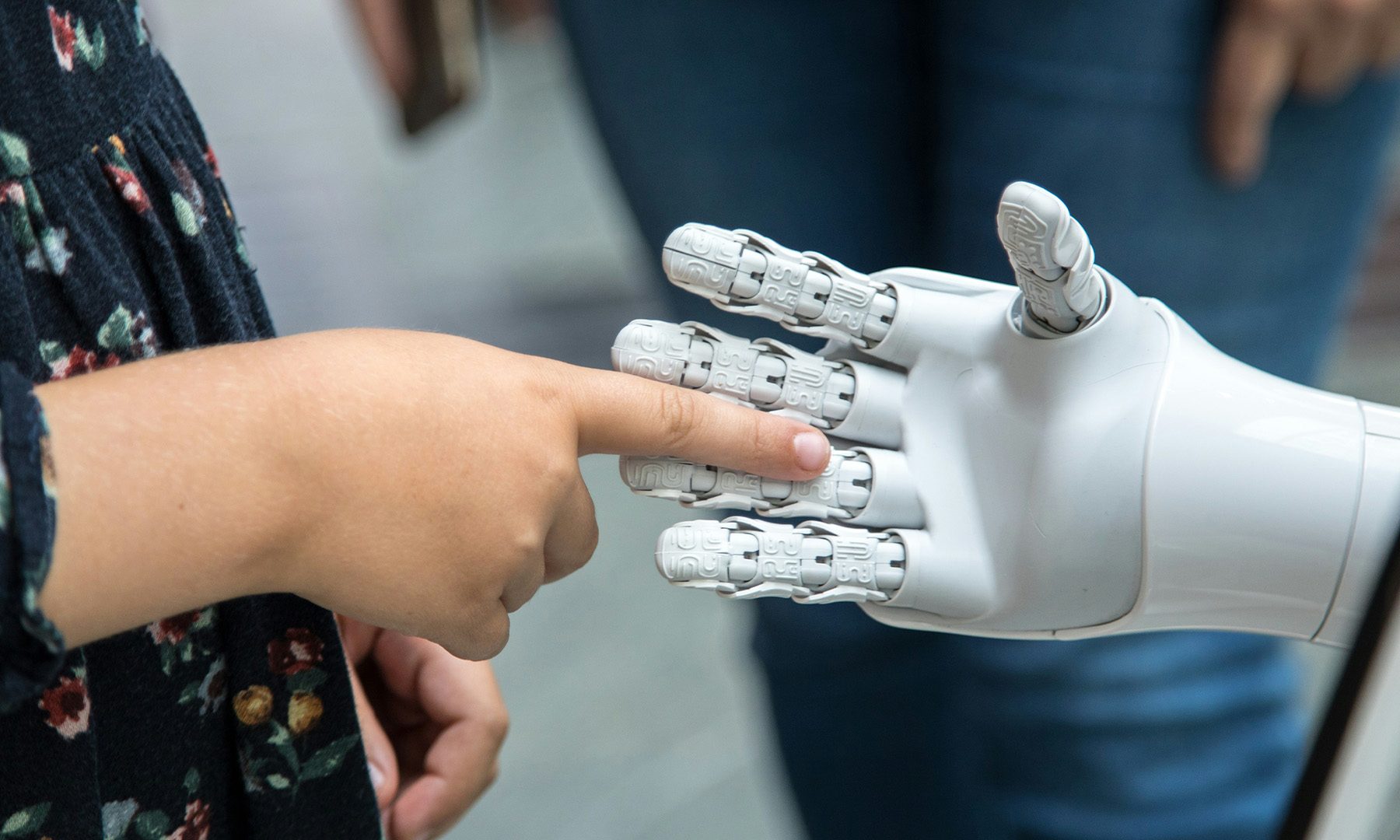
Samsung wants a place in the humanoid race, but its new robotics push begins with machines built for factories rather than homes.

The CEO-led RX robotics division will initially focus on manufacturing robots. Samsung has separately identified humanoids as a priority, although it hasn’t announced a commercial model or explained where one fits into the division’s immediate plans.

Read more
The future of AI may depend on this one behind-the-scenes change
Running Claude on Android.

Whenever a new AI model arrives, it's easy to get caught up in the bells and whistles. We talk about how much smarter it is, how quickly it answers questions, or how realistic its images have become. But here's the thing: none of that matters much if the AI can't reliably work with the apps and services people use every day.

That's why an upcoming update to the Model Context Protocol (MCP) caught my attention. It isn't a new chatbot or a fancy AI model. In fact, most people will never even know it's happening. But it could quietly make the AI ecosystem a lot healthier. If you've never heard of MCP before, don't worry. Think of it as a shared language that lets AI assistants safely talk to apps like Gmail, Slack, calendars, databases, and countless other services. Instead of every company inventing its own way to make those connections, MCP gives everyone a common rulebook.

Read more