  1. Home
  2. Computing
  3. Mobile
  4. Social Media
  5. News

Too smart to be scammed? Try this online test to see if you can be tricked

Add as a preferred source on Google

Think you can spot an online scam?

We often hear stories of cybercriminals tricking people into giving up their bank details or other personal information, but it seems that most of us think we’ll never be a victim ourselves.

Recommended Videos

Eighty percent of 2,300 people in a recent survey said they believe they can always spot bogus emails or similar fraud attempts, but an actual test to see how good we are at identifying scams showed that just 9 percent of 63,000 people passed with flying colors. Meaning that 91 percent of us could do with some extra training.

The data comes from Take Five, a U.K. campaign with government backing that offers advice to help people protect themselves from financial fraud. On January 22, the Take Five To Stop Fraud Week launched as a nationwide multimedia push to get the word out so people can more confidently identify and deal with scam correspondence.

“Many people may already know the do’s and don’ts of financial fraud — that no one should ever contact them out of the blue to ask for their PIN or full password, or ever make them feel pressured into moving money to another account,” Take Five says. “The trouble is, in the heat of the moment, it’s easy to forget this.”

The campaign, which suggests you “take five minutes and listen to your instincts” when you come across a suspicious message, is offering its “too smart to be scammed” test for anyone to try. You can take it here.

One of the questions goes like this:

“You’re having some new radiators fitted and you get this email (below) from your plumber to notify you of some changes to their bank details before you send their fee. Do you transfer the money?”

The email:
Dear xxxx, We need the funds up front before starting our job at your property. Please arrange for a bank transfer to the details below as soon as possible. Account number: 85892250, sort code: 15-02-19
Kind regards, xxxx

Fraudulent? You’d better believe it. This kind of scam is becoming increasingly common, with the sender either having knowledge of the work being done, or simply chancing it via spam. Take Five’s advice? Always double-check with the person you’re sending money to by calling them to make sure the email really came from them and that the details are correct. ” And always call them using a number that you trust — such as the one on their official website.”

If you’d like to know more about how you can sharpen up your detection skills, Take Five’s website offers plenty of useful advice. You can check it out here.

Trevor Mogg
Contributing Editor
Not so many moons ago, Trevor moved from one tea-loving island nation that drives on the left (Britain) to another (Japan)…
Claude Reflect is here. It’s your usual yearly Wrapped, but with Anthropic’s AI
It also makes you reflect on your usage and reminds you to take breaks.
Page, Text, Business Card

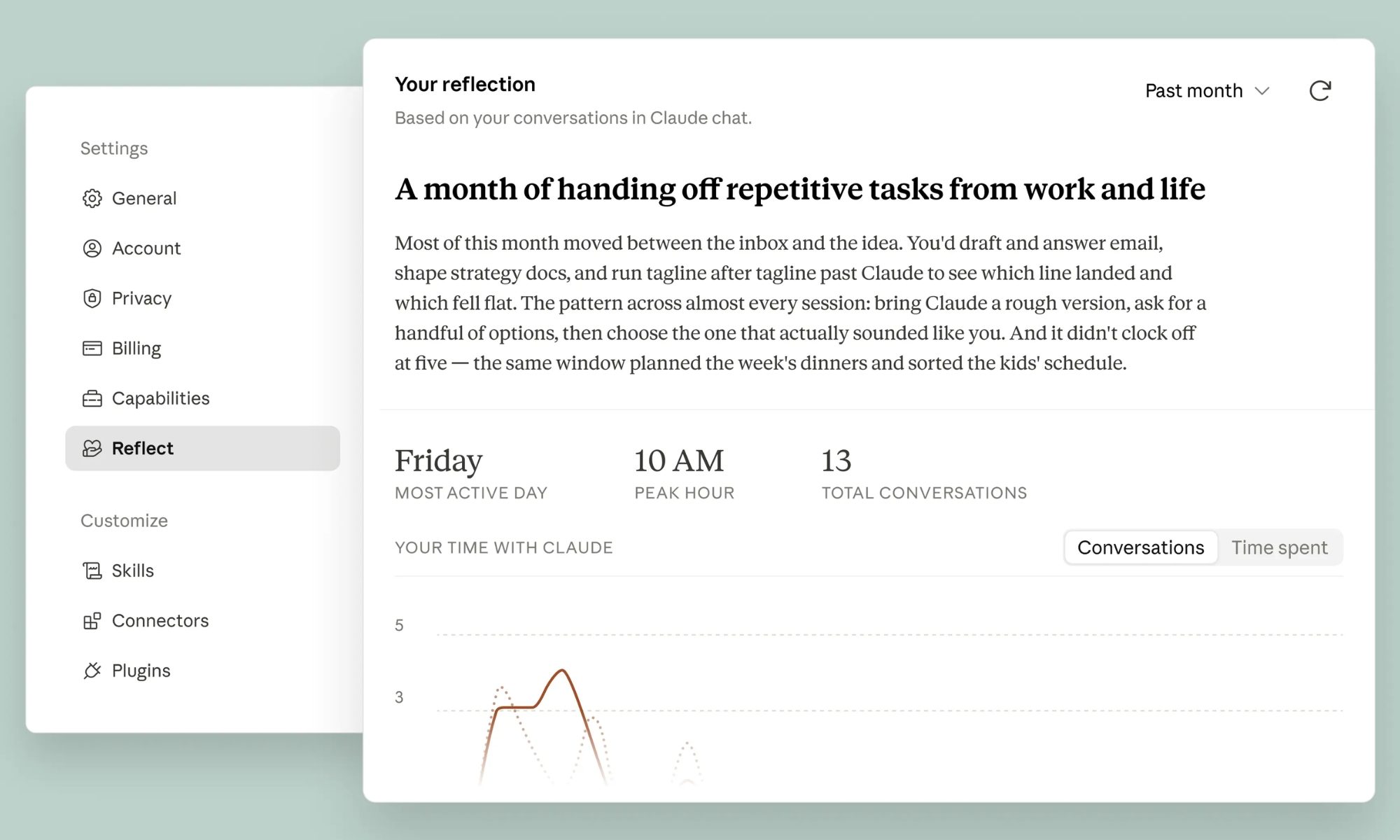
Anthropic just launched a usage analytics dashboard for Claude. It’s like the ‘Wrapped’ feature you see every major streaming or AI service announce at the end of a year, except it’s not called Claude Wrapped.

The feature is called Claude Reflect, as it does more than simply tell you what you’ve been using the AI for. Available in beta for free, Pro, and Max users who have enabled memory, the feature encourages mindful use of Claude or other AI tools. 

Read more
Parents worry AI is becoming a crutch for their kids while schools struggle to keep up, survey finds
Only 1 in 3 schools has AI guidelines as nearly 50% parents grow anxious about kids leaning on AI too much.
a boy using iPhone

Kids are using AI for their homework, and half of their parents are not sure that's a good thing. Deloitte's 2026 Back-to-School Survey, which polled 1,207 parents of K-12 students, found that 49% worry their child relies on AI too much.

The findings suggest AI adoption is moving far faster than the policies meant to guide it, leaving many parents unsure how these tools are being used in education.

Read more
Samsung wants to put its own chip in your next PC and it’s all about speeding up AI chores
Samsung Custom Chip

Samsung may be plotting a new entry into the PC chip business. A new report from the Korea Economic Daily says Samsung’s System LSI division is developing a dedicated AI accelerator for PCs called Gaia. The company has reportedly supplied early samples to Lenovo and HP for performance testing, with mass production potentially beginning as early as 2027.

Prominent Samsung leaker Ice Universe described the project as the company’s return to the PC processor market after roughly 13 years. However, the details point toward something slightly different from a traditional laptop processor. Gaia might be a specialized companion chip designed to handle artificial intelligence workloads rather than a complete replacement for an Intel, AMD, or Qualcomm CPU.

Read more