Bitcoin might still be considered the flagship cryptocurrency that many other alternative currencies sail in the wake of, but that’s not to say it’s the only viable one. With more than 2,000 different cryptocurrencies out there, knowing which ones to put your money into isn’t easy.
Do you opt for one with a low price so you can buy a lot of them in the hopes of making a fortune? Do you buy the ones with low transaction fees or confirmation times to speed up transfers? We’ll give you the best Bitcoin alternatives based on features and current values. Whether you’re looking to use your cryptocurrency to pay for items online or want to put some aside to create a crypto-nest egg, these are the best Bitcoin alternatives.
Note: Digital Trends’ information and opinion should in no way be considered investment advice, and we cannot be held liable for personal or business losses based on market changes or other outside factors.
There’s no sure thing — let the buyer beware
Before we get into actually recommending alternative cryptocurrencies to Bitcoin, we have to make something abundantly clear. Investing in any cryptocurrencies, be they new or established, is more akin to gambling than the traditional stock market. Prices can be extremely volatile, and though we don’t think regulation will cause any real problems for the scene, it’s still possible, and nobody knows for sure.
Despite cryptocurrency holdings not having the relative reliability of traditional investments, the IRS taxes them in the same way. To clarify, just like if you buy stocks and have them for over a year before selling them, cryptocurrency investors must pay long-term capital gains taxes. This official guidance means that any profits you accrue will face a 15% tax rate — individuals making over $425,800 per year and couples making over $479,000 per year pay a 20% tax rate cryptocurrency earnings.
If you look around online, though, you will find plenty of people looking to advise people to invest in “sure things.” It might be something as niche as Dentacoin, or a new initial coin offering looking for funding. That’s not what we’re doing here, and we have no bridges in Brooklyn or Eiffel Towers to sell you.
While the ceiling for profit is certainly higher on new cryptocurrencies, which you can pick up at a fraction of a dollar, we review established coins that are less likely to bottom out and ruin your investment. We’ll be looking at verified coins that have proved themselves over time as viable stores of value and transactional mediums.
The best
Ethereum (ETH)

As much as Bitcoin had a great 2017, Ethereum’s year was just as impressive. It went from a currency worth single digits at the start of the year to worth more than $1,200 in the early days of the next. It also proved itself to have a higher ceiling (at least for now) than Bitcoin in handling transactions. In early 2018, more than four times the number of Ethereum transactions took place every day, and they happened far faster than Bitcoin. Transaction costs are much lower too, which makes quite a difference when dealing with multiple trades.
Currently, Bitcoin has been storming into 2021 with an eye-popping $40,000 valuation after increasing in value by 400% in 2020. There is speculation that single Bitcoin values could become as high as $50,000, but this has not yet materialized, and the market is still coming to terms with the new reality. Ethereum is valued at around $1,145 at present, but some analysts predict that it could be worth over $10,000 per coin and gain a 25% market share in the future.
Although some experts we spoke to believe still that Bitcoin will remain the de facto poster child of cryptocurrencies, rising in value and usefulness in the years to come, there’s no denying it faces some difficulties. Ethereum and newer altcoins have fixed some of those potential problems, at least in the short term.
Ethereum hasn’t yet hit the scaling issues that Bitcoin has encountered, sending fees skyrocketing. It also incorporates additional features like smart contracts, which could make Ethereum and its currency, Ether, the preferred cryptocurrency for various industries in the future.
The rest
Litecoin (LTC)
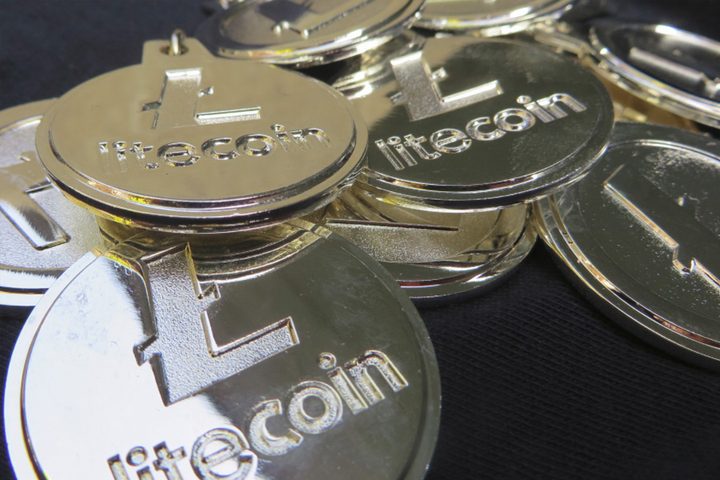
Like many other altcoins on this list, many cryptocurrency investors wish they’d bought a lot of Litecoin at the start of 2017. In January of that year, you could purchase individual Litecoins for $4 a pop, but they grew to more than $350 each at their peak at year’s end. Although there is no guarantee (as with any cryptocurrency) that Litecoin will one day reach or even exceed that height, the relatively low-price at the time of writing (about $138) makes it a popular investment choice.
Compared with the likes of Bitcoin, Litecoin is preferable for regular transactions, featuring a block time 75% faster than Bitcoin and transaction fees at a fraction of a dollar. More and more developers and merchants are beginning to accept Litecoin too.
Although Litecoin doesn’t have the same potential as Ethereum in building new transaction platforms, as one of the longest-running cryptocurrencies (created in 2011), it’s an established altcoin with great name recognition. It’s one of the top-10 cryptocurrencies by market cap and has a larger trading volume than all but Bitcoin, Ethereum, and Ripple.
Ripple (XRP)

Although Ripple certainly had its detractors for being a somewhat centralized cryptocurrency in a famously decentralized space, there’s no denying that Ripple had some real potential thanks to its rising value and industry support.
Ripple’s value spiked at the end of 2017, moving from around $0.20 in October to more than $2.50 at year’s end. It often stood out from some of the other large market-value cryptocurrencies in that it tends to rise when they fall and vice versa.
Ripple and its transactional protocol, XRP, show a lot of potential for those looking to make money from their investment. Given its support from major banking organizations, Ripple has a unique place at the near-top of the cryptocurrency pile. Backed by Santander, RBC, American Express, and other financial institutions, Ripple technology is already being leveraged by some groups for international wealth transfers. MoneyGram announced a partnership with Ripple Labs in 2018 to use XRP for some of its payment flows.
Unfortunately, due to the SEC filing a lawsuit against Ripple for selling over a billion dollars in unregistered securities, many major financial backers and investor institutions are dissolving their XRP assets, which has led to a downfall in its price and confidence in its future.
Bitcoin Cash (BCH)
You might wonder what something called Bitcoin Cash is doing on a list of best Bitcoin alternatives, but don’t worry, you’re not seeing things. Bitcoin Cash is a forked version of Bitcoin, meaning that it is a separate currency with a valuation of $473 per coin at the time of writing. Created in 2017 in response to Bitcoin’s long transaction times and lack of scalability, Bitcoin Cash further split into Bitcoin Cash and Bitcoin SV in 2018. However, Bitcoin’s superior security and market cap make it hard for anyone else to break through, even an altcoin. That being said, Bitcoin Cash is a great way to dip your toe into cryptocurrencies without losing your shirt in the process.
Monero (XMR)

A single Monero token is worth around $169 at the time of writing, which is still a significant increase over its roughly $9 value at the start of 2017. Although considered an alternative coin, Monero is based on a different hash algorithm than Bitcoin. This difference ultimately means that Monero has greater privacy for owners as a core component of its technology.
Monero achieves advanced privacy by hiding specific transaction elements, like the receiving address and the amount transmitted. That’s somewhat different from Bitcoin, which has an entirely public ledger that makes tracing Bitcoin across the network rather easy, although time-consuming.
For those who like the privatizing elements of Monero, it can facilitate direct purchases from fellow evangelists and on some websites. However, the range of mainstream purchase solutions is limited for the time being.
Dogecoin
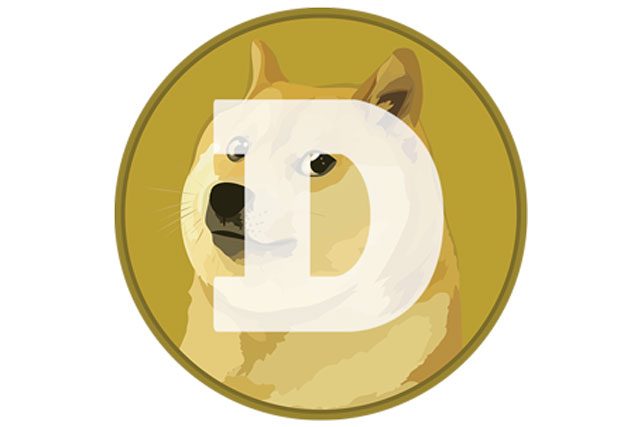
As even the least meme-familiar among us may remember, the internet was gifted with Kabosu in 2013, the highly critical Shiba Inu now widely known as Doge. You may not know that the very same year, two gentlemen named Billy Markus and Jackson Palmer created Dogecoin as a joke cryptocurrency to honor the famous canine. Little did they expect that Dogecoin would become so popular in early 2014 that it’s capitalization reached $60 million.
In 2020, the value of Dogecoin was just fractions of a cent per token — that is until Elon Musk tweeted about this almost forgotten currency to troll Bitcoin, causing Dogecoin’s value to spike from $0.003 to $0.005. It did crest a cent at one point, but currently sits at just over $0.009 per token. Regardless, the user community surrounding Dogecoin is known for its friendliness and sense of humor, which cannot be said of every cryptocurrency. While some hope and speculate that the value may rise to its former lofty heights, Dogecoin is an excellent way for cryptocurrency novices to learn the ropes of mining before moving on to higher-value coins and more significant risks.