1. Home
  2. Entertainment
  3. Emerging Tech
  4. News

Sir Patrick Stewart busts out the Shakespeare at the Sci-Tech Oscar Awards

Add as a preferred source on Google

Traditionally held two weeks before the big Oscar ceremony, the Academy’s Scientific and Technical Awards recognize significant discoveries and advancements, as well as individuals, that have made an impact in the art of motion pictures. Patrick Stewart hosted the ceremony on Saturday night at the Beverly Wilshire, where the awards were handed out.

Stewart called the honorees “film magicians” and quipped, “I have to tell you, I wouldn’t know the difference between a warp-core breach and a space-time continuum if they got into bed with me!”

Recommended Videos

Although the ceremony wasnt televised, Digital LA was at the ceremony with a roundup of all the awards. Three Oscar statuettes and nine awards for innovation were handed out.

Two Oscars went to the developers of the Houdini animation system, a suite of tools that has been used in more than 600 films. Mark Elendt and Side Effects Software each received a statue, and four other Houdini collaborators went home with an academy plaque.

The Presto visual effects software, which helps animators create fluid animations, was also recognized. It’s been used in virtually all Pixar films including Inside Out and Coco. Premo from DreamWorks and Intel was another animation program that received a plaque. It was used in How to Train Your Dragon 2 and Boss Baby.

Another award went to the BlockParty procedural rigging system at Industrial Light & Magic. It was used in films like Thor, War for the Planet of the Apes, and the latest Star Wars film.

A rotating helicopter-mounted camera known as Shotover K1 was recognized for the stunning work in Revenant and Dunkirk. A telescopic underwater crane camera was another innovation that received an award. It was recently showcased in La La Land as well as several of the Harry Potter films.

The Gordon E. Sawyer Award, which recognizes extraordinary technological contributions to the film industry, was given to Jonathan Erland. The Hollywood veteran was a co-founder of the Visual Effects Society and his film credits include the original Star Wars and Star Trek films.

“I intend to work until I drop,” he said as he hoisted the statuette. “If we don’t get the science first, there ain’t going to be no art.”

After Erland accepted his award, Stewart said, “it occurred to me that another Englishman wrote something once which is perhaps appropriate for this event. He didn’t know it would be, of course, because he lived 400 years ago.”

The 77-year-old master thespian then ad-libbed by quoting Puck from A Midsummer Night’s Dream: “If we shadows have offended, think but this, and all is mended — That you have but slumbered here while these visions did appear.”

Mark Austin
Former Digital Trends Contributor
Mark’s first encounter with high-tech was a TRS-80. He spent 20 years working for Nintendo and Xbox as a writer and…
Spotify’s new conversational AI can play tracks you request and answer your music questions
A ChatGPT-like AI feature is coming to Spotify for music requests and listening-history questions
spotify

Spotify is rolling out a new AI-powered conversational feature that lets Premium users talk directly to the app about what they want to hear. Users can type or speak a request and refine the results through follow-up questions instead of manually searching for a song, podcast, or audiobook.

The feature is available from Spotify’s Home and Now Playing screens and works much like a personal audio assistant. It can choose what plays, answer questions about the current track or album, recommend something new, and look through your listening history to provide more personalized responses.

Read more
Christopher Nolan’s personal take on smartphones is surprisingly practical
Christopher Nolan says not owning a smartphone helps him think better
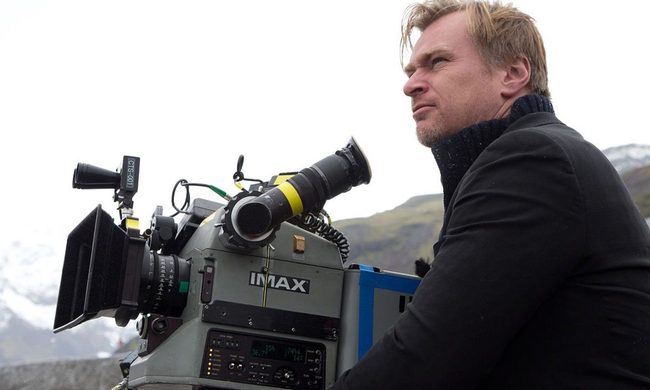
Christopher Nolan sits in front of an IMAX camera.

Christopher Nolan has spent his career embracing cutting-edge filmmaking technology while resisting one of the most common gadgets on the planet: the smartphone. The Oscar-winning director behind Oppenheimer, Inception, and the upcoming The Odyssey says his decision isn't about rejecting technology altogether. It's about protecting something he believes has become increasingly rare - time to think.

In an interview with The Telegraph ahead of the premiere of The Odyssey, Nolan explained that he still doesn't own a smartphone, despite living in a world where QR codes, digital tickets, and messaging apps have become everyday necessities. His reasoning, however, is far more practical than philosophical.

Read more
Letterboxd could find a new home at Netflix, but Sony is fighting for it, too
Netflix wants Letterboxd, but Hollywood isn't letting it go without a fight
Letterboxd

Letterboxd, the fast-growing social network for film lovers, could soon have a new owner. According to a report by Puck News, the New Zealand-based platform has been exploring a potential sale, attracting interest from several major entertainment companies, including Netflix, Sony Pictures Entertainment, and Paramount Skydance.

While no deal has been confirmed, the discussions highlight how valuable online fan communities have become as streaming platforms compete not just for viewers, but also for the audiences that influence what people watch next.

Read more