1. Home
  2. Computing
  3. Mobile
  4. Smart Home
  5. News

An office in France is testing Li-Fi technology for the first time

Add as a preferred source on Google
Philips LiFi Systems - Introducing LiFi technology

We’re moving one step closer still to a future powered not by Wi-Fi, but by Li-Fi. Philips Lighting, which you likely know best for its bulbs and other illuminating fixtures, is now moving into the internet space by offering Light Fidelity, otherwise known as Li-Fi. And it’s not just presenting this technology as a possibility — it’s actually already testing the new network in a real office. Icade, a French real estate investment firm, is one of the first companies in the world to use Li-Fi in order to provide its employees with broadband internet by way of lights.

“LiFi has enormous potential for today’s digital age and as the world’s leading lighting company we are proud to pioneer new and innovative services for our customers,” Olivia Qiu, chief innovation officer at Philips Lighting, said in a statement. “While radio frequencies are becoming congested, the visible light spectrum is an untapped resource with a large bandwidth suitable for the stable simultaneous connection of a vast array of Internet of Things devices. Being a lighting company, we ensure that our customers benefit from the finest quality energy efficient light along with state-of-the-art connectivity.”

So how exactly does Li-Fi work? In essence, it is similar to Wi-Fi, but leverages light waves rather than radio waves in order to transmit data. Philips Lighting’s office luminaires provide Li-Fi that boasts a speed of 30 Mbps, all without creating any flickering or dimming in the light bulbs themselves. As the company notes, at speeds of 30 Mbps, users can simultaneously stream a number of HD videos while engaging in a video call.

In the case of the Philips Lighting luminaires, each is equipped with a built-in modem that modulates the light. This light is then detected by a Li-Fi USB key that is plugged into the socket of either a laptop or tablet (one day, this technology will be built directly into hardware). The USB then returns data to the luminaire through an infrared link.

The real benefit of Li-Fi, of course, is that it can be used in areas where Wi-Fi connectivity may be considerably weaker. For example, while radio frequencies may not be able to reach areas underground or interfere with equipment, lighting can be placed just about anywhere. Furthermore, Philips points out, Li-Fi can be used in situations that require more security, as light cannot pass through solid walls, and in order for Li-Fi to work, you need to literally see the light.


Lulu Chang
Fascinated by the effects of technology on human interaction, Lulu believes that if her parents can use your new app…
WhatsApp’s Liquid Glass redesign is finally coming to Mac after months of waiting
WhatsApp's Mac app is getting Apple's Liquid Glass-inspired makeover
WhatsApp

WhatsApp has been steadily adopting Apple's new design language across its apps, but Mac users have largely been left watching from the sidelines. That is finally beginning to change.

The messaging platform has started rolling out its Liquid Glass redesign for the WhatsApp Mac app, bringing the desktop experience much closer to what iPhone and iPad users have been seeing over the past few months. The update introduces a refreshed interface with redesigned navigation elements, updated menus, and a cleaner layout that aligns with Apple's latest software aesthetic. According to WABetaInfo, the rollout has begun through the latest Mac App Store update and is currently reaching a limited number of users.

Read more
NVIDIA’s new AI can detect deepfake videos in just 22 milliseconds
NVIDIA has a new AI tool that can tell fake videos from real ones in milliseconds
Nvidia logo

As generative AI becomes increasingly capable of producing videos that are nearly indistinguishable from real footage, the race is no longer just about creating synthetic media. It's about detecting it before it spreads.

At SIGGRAPH 2026, NVIDIA unveiled Synthetic Video Detector, a new AI-powered verification tool designed to identify AI-generated videos with remarkable speed and accuracy. Rather than replacing traditional fact-checking or forensic analysis, the company says the technology is intended to give newsrooms, broadcasters and enterprises another layer of confidence before synthetic videos enter the public domain.

Read more
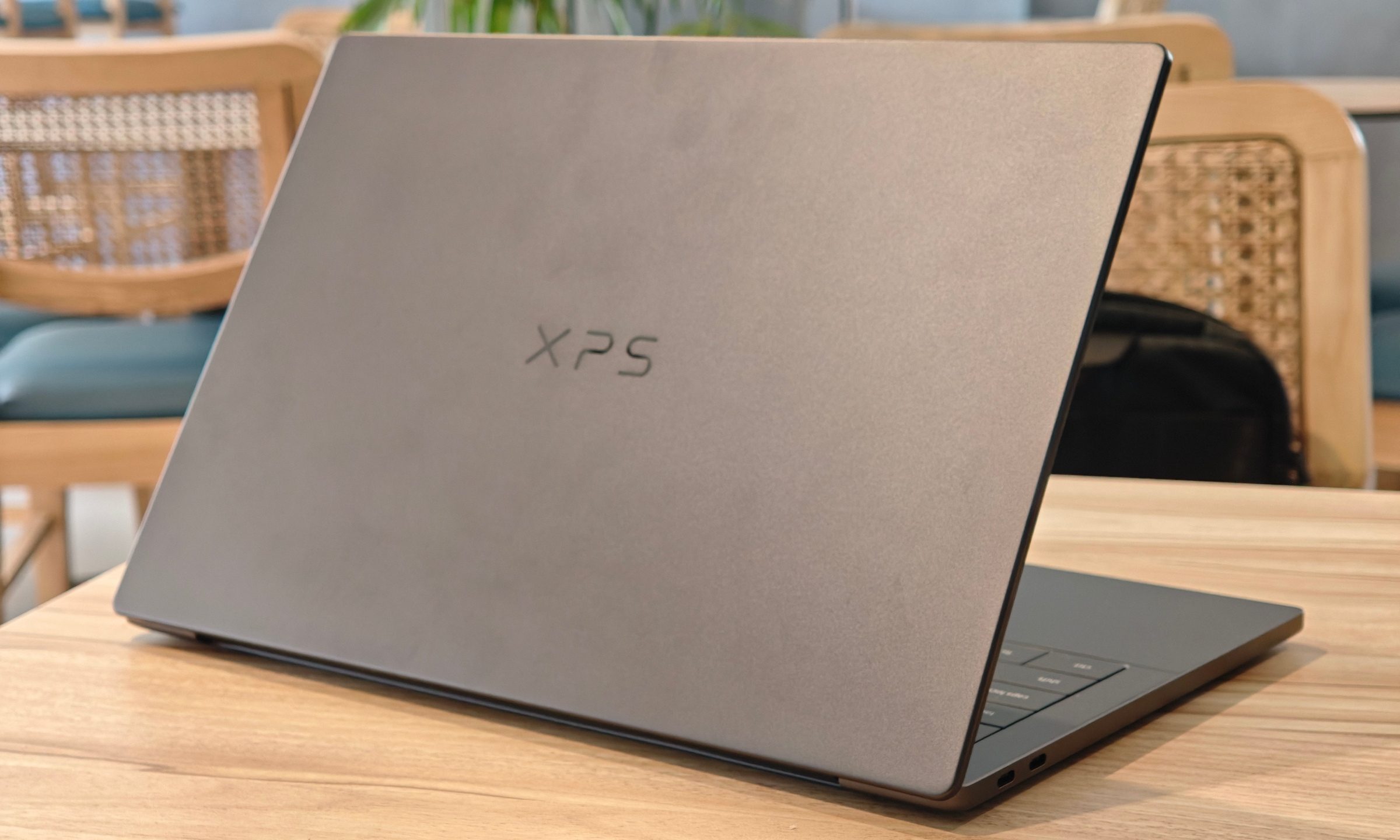
Dell XPS 14 (2026) Review: Dell’s classic Windows laptop returns, and it’s hard to put down
The icon returns, and shows why it's still relevant
Dell XPS 14 Review: Featured

Quick take

Dell’s XPS line has always carried a certain weight. It is one of those Windows laptop families that people recognize even if they don’t follow laptops too closely. Clean design built with premium materials, sharp displays, and high-end hardware. The Dell XPS 14 DA14260 continues that legacy. 

Read more