1. Home
  2. Emerging Tech
  3. News

Latest Festo creations include a bionic bat and somersaulting robo-spider

Add as a preferred source on Google
Festo – BionicWheelBot (English/Deutsch)

We sure love nature-inspired robots a whole lot, and German automation company Festo is one of the most exciting companies working in this space. Its latest creations are two of its greatest yet: A BionicWheelBot robotic spider that resembles a Star Wars battle droid and a BionicFlyingFox which is, well, pretty much what its name suggests.

Recommended Videos

The BionicWheelbot was inspired by the flic-flac spider and its highly unusual way of moving, which includes a combination of walking, somersaulting and rolling on the ground. When it’s not busy scampering, the robot — which is powered by 15 motors — begins its rolling action by bending three legs on each side of its body to form a wheel. Two additional legs then extend, pushing the rolled-up spider off the ground, and forward. Doing so allows it to move over rougher ground at high speeds, even including uphill slopes.

Festo – BionicFlyingFox (English/Deutsch)

The BionicFlyingFox, meanwhile, is a 580g creation with a 3D-milled foam body, carbon fiber skeleton, and 228cm wingspan — comprised of a wafer-thin, ultralight membrane material. The robot doesn’t just look like a real actual flying fox (aka a fruit bat), but can actually fly by flapping its wings in a realistic approximation of the genuine article. It’s launched via remote control but can then carry out its actual flight using an autopilot system — aided by infrared cameras built into its legs and wing tips.

Sadly, you won’t be able to buy either robot anytime soon. “Both projects are tech demos so there won’t be a real-world application for them — maybe a bit similar to concept cars in the automotive industry,” Dr. Elias Knubben, head of corporate bionic projects at Festo, told Digital Trends. “Nevertheless we’re trying to transfer the knowledge gained in the development of the bionic projects on product-related topics like energy efficiency and lightweight construction, so we can offer more efficient products and solutions to our partners and customers.”

Ultimately, Knubben said that the goal is to show off the company’s technology — and hopefully to inspire kids about the possibilities offered by science and technology in the process. We have to admit that that is a pretty good rationale for creating these critters!


Luke Dormehl
I'm a UK-based tech writer covering Cool Tech at Digital Trends. I've also written for Fast Company, Wired, the Guardian…
Yet another study says AI is bad for elections, and the rabbit hole gets worse
AI may be an election bomb waiting for someone to light the fuse
Voters cast their ballots on Election Day

Another election, another study has concluded that asking an AI chatbot for political guidance is a spectacularly bad idea. Research conducted during Hungary’s 2026 parliamentary election found that ChatGPT and Google Gemini offered not just inaccurate but also inconsistent and unreliable voting advice. The chatbots misclassified voter profiles, overlooked relevant parties, recommended parties absent from the ballot, and sometimes produced materially different answers when given the same information repeatedly.

AI keeps failing the voter test

Read more
Samsung’s humanoid robot ambitions are real, but factories come first
Samsung’s new robotics division has humanoids in its sights, although its immediate business is far more practical factory automation
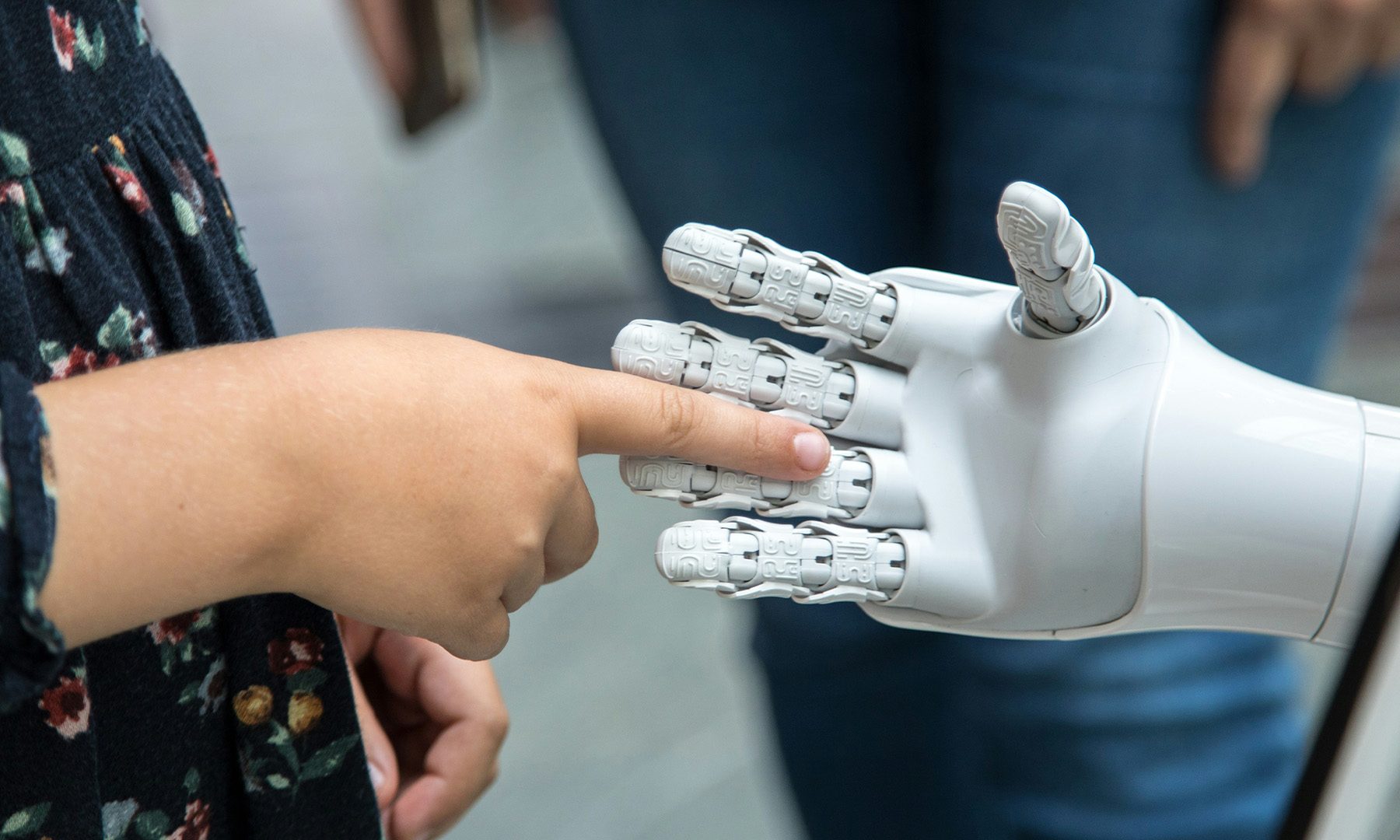
Robot Touch Human Finger

Samsung wants a place in the humanoid race, but its new robotics push begins with machines built for factories rather than homes.

The CEO-led RX robotics division will initially focus on manufacturing robots. Samsung has separately identified humanoids as a priority, although it hasn’t announced a commercial model or explained where one fits into the division’s immediate plans.

Read more
The future of AI may depend on this one behind-the-scenes change
Running Claude on Android.

Whenever a new AI model arrives, it's easy to get caught up in the bells and whistles. We talk about how much smarter it is, how quickly it answers questions, or how realistic its images have become. But here's the thing: none of that matters much if the AI can't reliably work with the apps and services people use every day.

That's why an upcoming update to the Model Context Protocol (MCP) caught my attention. It isn't a new chatbot or a fancy AI model. In fact, most people will never even know it's happening. But it could quietly make the AI ecosystem a lot healthier. If you've never heard of MCP before, don't worry. Think of it as a shared language that lets AI assistants safely talk to apps like Gmail, Slack, calendars, databases, and countless other services. Instead of every company inventing its own way to make those connections, MCP gives everyone a common rulebook.

Read more