1. Home
  2. Emerging Tech
  3. News

Brain scans and A.I. confirm that dogs are great at recognizing our emotions

Add as a preferred source on Google

What dog lover hasn’t looked at his or her trusty mutt and tried to figure out what they’re thinking? Researchers from National Autonomous University of Mexico in Mexico City have gotten a bit further toward answering that question than most. Or, at the very least, the team appears to have gained some insight into why dogs seem to understand us so well.

In a recently published research paper, the team demonstrates that it’s possible to work out what a dog is looking at by analyzing a scan of its brain. Using functional magnetic resonance imaging (fMRI) technology, the researchers scanned the brains of four border collies, trained to sit on a scanner without moving. The dogs were shown happy, sad, angry and fearful facial expressions — all made by people they were unfamiliar with — and had their brain patterns recorded.

Recommended Videos

Analyzing these patterns using machine-learning algorithms allowed the researchers to figure out which face the dog had seen. The most distinctive brain pattern was associated with a happy face, which triggered a particular activity in the temporal cortex of the brain, used for processing complex visual information.

Interestingly, the study mirrors findings from a more human-centric experiment staged earlier this year. In that case, researchers in Japan were able to get an A.I. to caption images describing what a person had seen, based solely on an fMRI brain scan image. Accurate captions included the likes of, “A dog is sitting on the floor in front of an open door” or “a group of people standing on the beach.”

While the researchers in this latest experiment limited their study to only a few emotional states to identify, it certainly suggests an impressively high level of human emotional recognition on the part of our dogs. Now if only someone could figure out how to convert this into some kind of portable brain-reading tech so we can see more information about how dogs interpret the world around them on a daily basis!

A paper describing the work, titled “Decoding Human Emotional Faces in the Dog’s Brain,” is available to read online on scientific paper repository bioRxiv.

Luke Dormehl
I'm a UK-based tech writer covering Cool Tech at Digital Trends. I've also written for Fast Company, Wired, the Guardian…
Samsung’s humanoid robot ambitions are real, but factories come first
Samsung’s new robotics division has humanoids in its sights, although its immediate business is far more practical factory automation
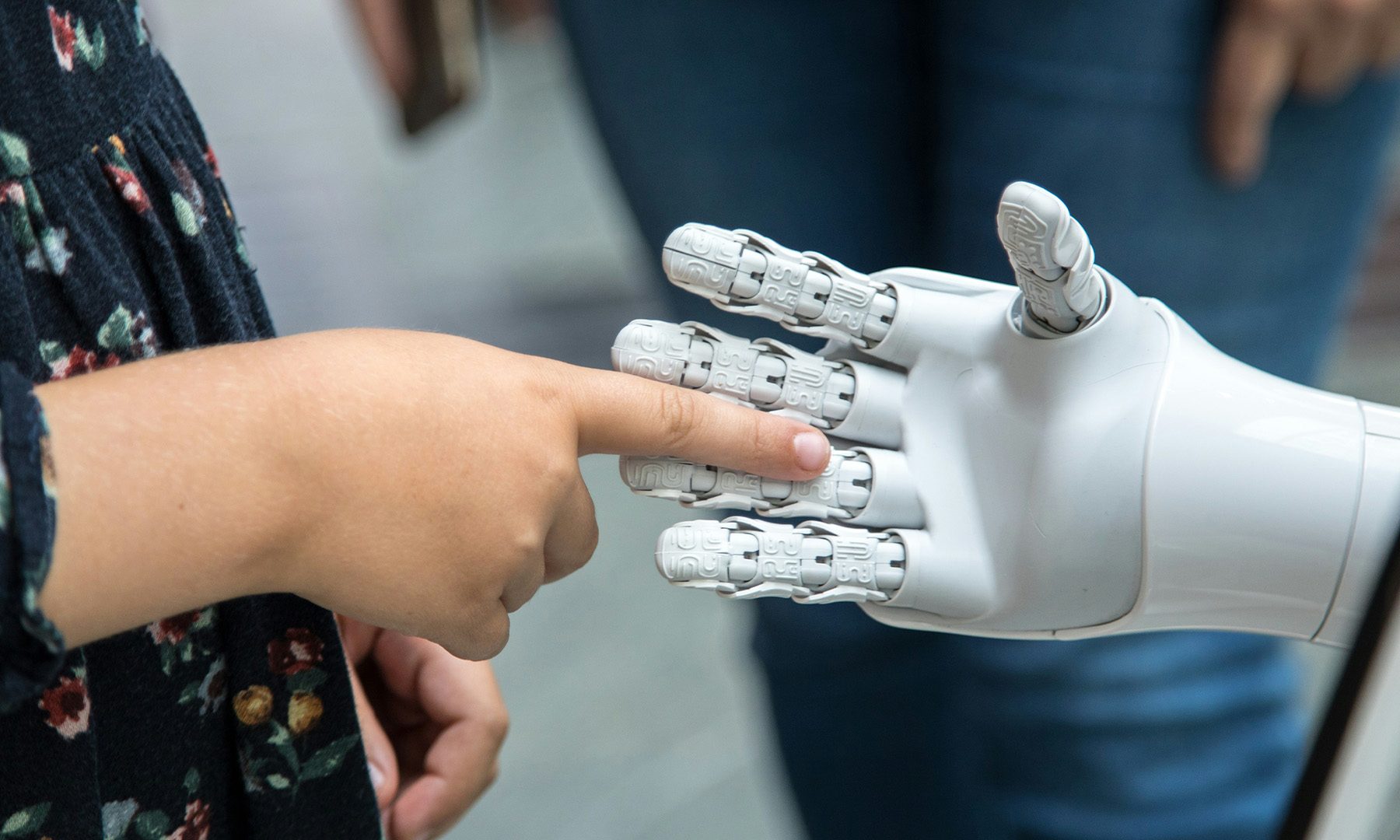
Robot Touch Human Finger

Samsung wants a place in the humanoid race, but its new robotics push begins with machines built for factories rather than homes.

The CEO-led RX robotics division will initially focus on manufacturing robots. Samsung has separately identified humanoids as a priority, although it hasn’t announced a commercial model or explained where one fits into the division’s immediate plans.

Read more
The future of AI may depend on this one behind-the-scenes change
Running Claude on Android.

Whenever a new AI model arrives, it's easy to get caught up in the bells and whistles. We talk about how much smarter it is, how quickly it answers questions, or how realistic its images have become. But here's the thing: none of that matters much if the AI can't reliably work with the apps and services people use every day.

That's why an upcoming update to the Model Context Protocol (MCP) caught my attention. It isn't a new chatbot or a fancy AI model. In fact, most people will never even know it's happening. But it could quietly make the AI ecosystem a lot healthier. If you've never heard of MCP before, don't worry. Think of it as a shared language that lets AI assistants safely talk to apps like Gmail, Slack, calendars, databases, and countless other services. Instead of every company inventing its own way to make those connections, MCP gives everyone a common rulebook.

Read more
The AI game-dev boom has a dark side: fewer jobs for the people starting out
Solo creators are thriving with tools like Claude Code and Copilot, but entry-level game roles are disappearing.
Man playing a video game on a desktop with glowing red and blue lights

AI is making it easier than ever for a single person to build a game. That sounds like a win for creativity, and in many ways, it absolutely is. But there is a catch. As generative AI tools help solo developers and small studios do more with fewer people, the same shift is making life tougher for writers, artists, concept creators, and junior programmers trying to break into the gaming industry.

AI is giving solo developers superpowers

Read more