If you’ve ever had the feeling you’re paying too much for TV, you’re far from alone. Whether it’s the constant price gauging, or the simple fact that all TV was once free (albeit ad-supported), people are always looking for a way to pay less for their TV time. Then along comes a tantalizing platform like Terrarium TV, which offers seemingly limitless free viewing of almost anything you’re looking for. The problem is, of course, when things seem too good to be true, they often are.
Terrarium TV in a nutshell
A few years ago, Popcorn Time was all the rage. Powered under the hood by BitTorrent, Popcorn Time let users watch movies and TV shows for the low, low price of absolutely nothing. Unfortunately, since it was essentially letting users pirate content on demand, it wasn’t long before both ISPs (internet service providers) and Hollywood came knocking, and the service was no more.
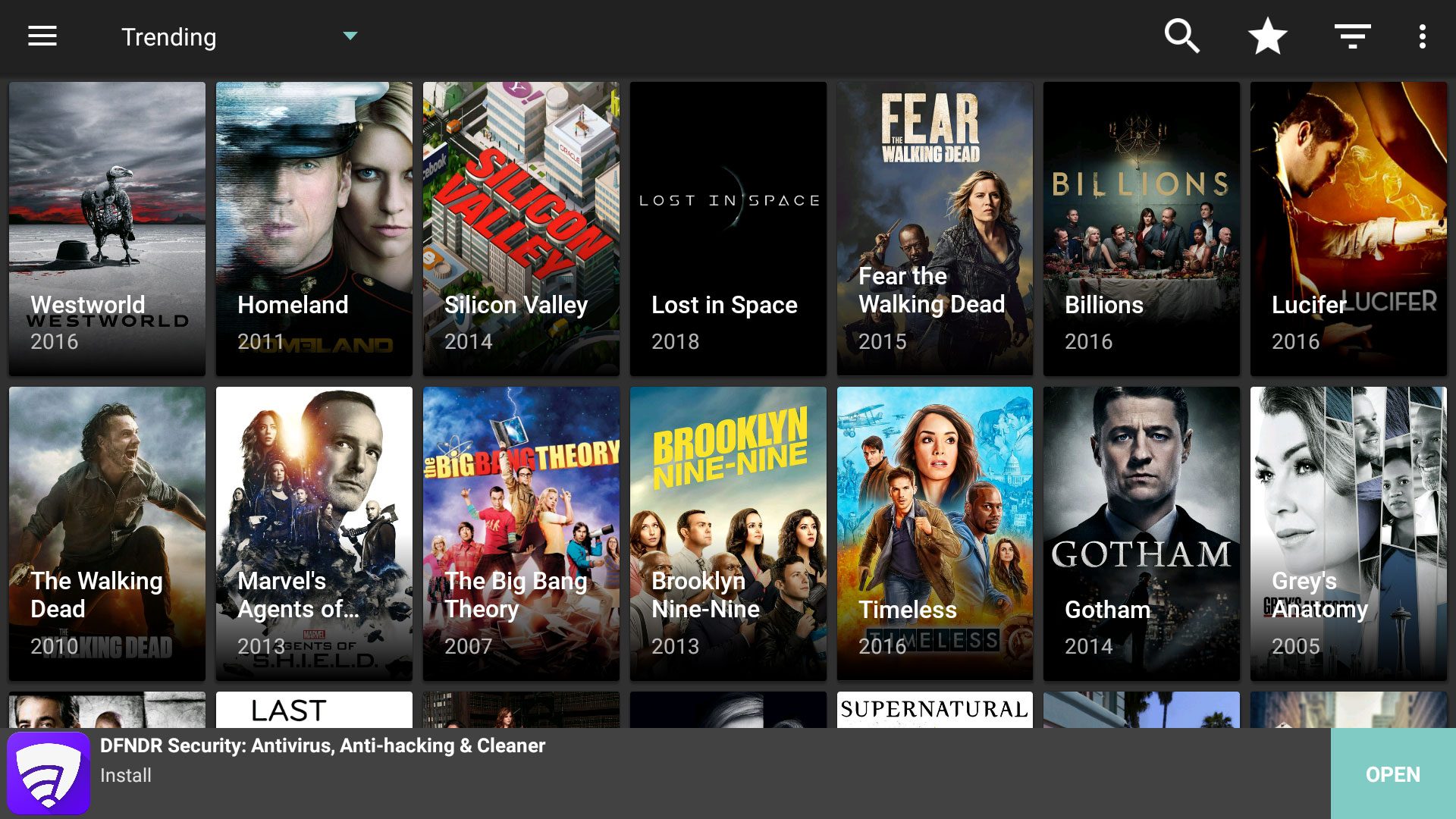
When Terrarium TV popped on to the scene, it seemed very similar to Popcorn Time, offering up content sourced via the internet in a sleek user interface, available only for Android-powered devices. While it operated slightly differently behind the scenes, Terrarium TV was very much the same idea in a nicer looking package, but as with Popcorn Time, its days were numbered.
Does it even exist anymore?
It used to be plenty clear where to download Terrarium TV: Go to the official website and follow the instructions. Then the website suddenly disappeared, followed by the disappearance of the Terrarium TV project on GitHub. There was no reason given — the project’s creator just seemed to give up.
Terrarium TV has always had a troubled existence, and while its users remained doggedly determined to keep watching even after its developer seemingly abandoned the app, the saga finally came to an end. On September 11, 2018, users noticed a message from the app’s developer NitroXenon, saying that he was shutting down Terrarium TV, and that starting at the end of September, the app would automatically close itself. He also said there were no plans to open source the app, so no other developers can take the reins. That’s not the end of the bad news for Terrarium TV users, either.
Looking at legality
As touched on above, right now Terrarium TV exists in a legal gray area of sorts. Similar to torrent sites, Terrarium TV didn’t actually serve pirated content, it just collected links to videos that already available on the internet. This is technically legal, but your ISP may not like it, which is why it’s nearly impossible to search for anything related to Terrarium TV without seeing ads for VPNs.
Instead of pointing users to torrents, like Popcorn Time used to, Terrarium TV would “scrape” links to videos from around the internet, including those hosted on legitimate video services. When you chose what to watch, the app gathered links and used these to start streaming.
“Terrarium TV contains only links to other sites on the internet,” the Terrarium TV website used to read. “It does not host or upload any videos, films or media files. It does not store any media stream links on any of its servers. Terrarium TV aggregates links in a convenient, user-friendly interface.”
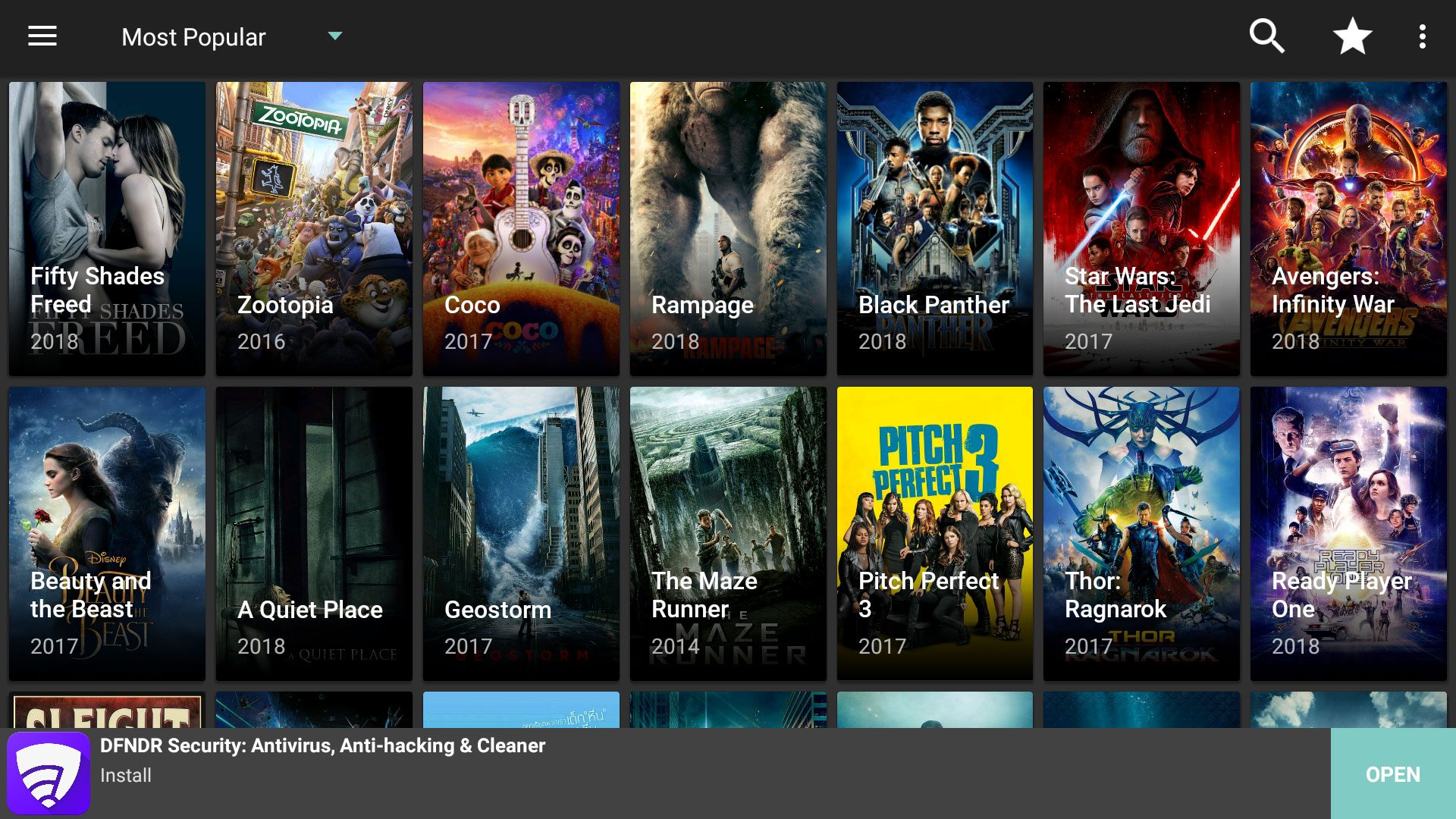
This is fine by itself. The real problem is that Terrarium TV didn’t bother to check if these sources are legal or not. This means you might be watching something hosted on a TV network’s website or a rip uploaded to some video service you’ve never heard of.
Despite it being “technically” legal, that didn’t mean content providers and various authorities were thrilled about Terrarium TV’s existence. While NitroXenon never mentioned this when he announced the app was shutting down, it’s easy to imagine that mounting pressure from authorities led to the shutdown. It gets even stranger, too, as users who kept the app installed started seeing notifications warning them to uninstall the app immediately and that their IP address and location were being tracked.
When contacted by TorrentFreak, NitroXenon said that Terrarium TV does indeed track users’ IP addresses and that if authorities ask him to hand over user data, he will.
Alternatives to Terrarium TV
Pluto TV is similar to Terrarium TV in a lot of ways but differs in one important one: It’s totally legitimate. Pluto curates content from around the internet, offering it up in a simple, easy-to-navigate interface, presented as live TV channels. On-demand content is available, too, and while it’s limited, it rotates fairly frequently. You’re not going to find the wealth of content available on Terrarium TV here, but Pluto is simpler, available on more platforms, and still 100-percent free. For more information, see our guide to Pluto TV.
Then there are sites like Crackle and Tubi. Both of these offer free movies and TV shows in a Netflix-style layout. Unlike Terrarium TV, these services are actually showing the movies and shows they offer legally. You won’t find anywhere near the sheer amount of content, but you also won’t have to worry about getting a virus or any other sort of malware. It’s entirely possible to get by using the above services for all your entertainment needs — we know from experience.
These aren’t your only options either. Kodi (formerly XBMC) can offer many of the same features as Terrarium TV when using the right plugins, and while it may occupy the same legal gray area — depending on how you use it — at least there is an official website so you can be sure you’re downloading the proper app.