  1. Home
  2. Phones
  3. Android
  4. Mobile
  5. News

Samsung now offers 128GB and 256GB Galaxy S9, S9 Plus on website

Add as a preferred source on Google
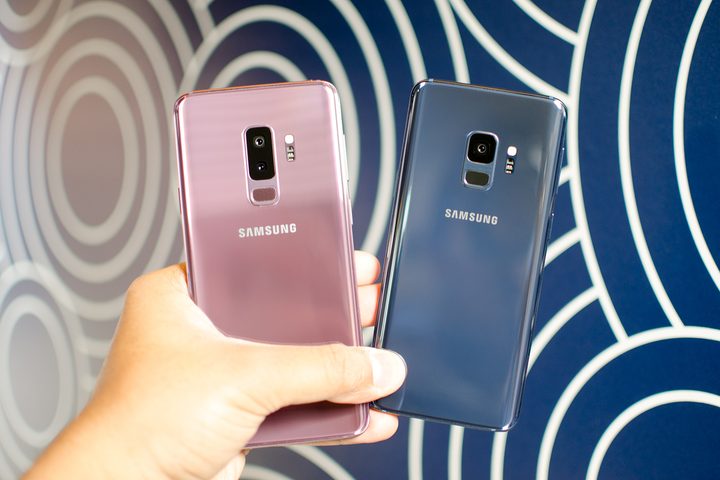
galaxy s9 hands-on review both back hand
Julian Chokkattu/Digital Trends

Just months after Samsung launched its newest flagships, the Galaxy S9 and Galaxy S9 Plus, the smartphone giant announced two new storage configurations for the phones. Both the Samsung Galaxy S9 and Galaxy S9 Plus will soon be available with 128GB and 256GB storage options.

Samsung will offer the 128GB and 256GB versions of the Galaxy S9 and S9 Plus exclusively on its website. You can pre-order the phones beginning May 1 and will be able to purchase them on the Samsung website on May 18.

Recommended Videos

The 128GB version of the Galaxy S9 will set you back $770, while the same storage configuration on the Galaxy S9 Plus comes in at $890. If you want to max out your internal storage, the 256GB Galaxy S9 sells for $820, and the S9 Plus will cost $940. Mind you all Galaxy S9 phones come with a MicroSD slot that will allow you to add up to 400GB of external memory.

The decision to release extended storage options for the Galaxy S9 and S9 Plus in the U.S. is a nice surprise: In 2017 Samsung released a Galaxy S8 with 128GB of storage and 6GB of RAM, but the phone was only available in South Korea and China. While Samsung is selling two extended storage options of its flagships in the U.S. this year, neither include additional RAM.

Samsung released the Galaxy S9 and S9 Plus this February at Mobile World Congress to rave reviews. While the phone features a powerful Qualcomm 845 (or Exynos 9810) processor and 4GB of RAM, many felt the 64GB of onboard storage was a little chintzy. The addition of a 128GB and 256GB storage option now places the Galaxy S9 and S9 Plus on a level playing field with other flagships like the iPhone X and Pixel 2XL.

While the additional storage may be enough to convince some to pick up a Galaxy S9 or S9 Plus, Samsung is sweetening the deal for people who pre-order the device. If you pre-order either phone on the Samsung website between May 1 and May 17, you can pick up a Gear IconX (2018) for free or get a Gear S3 Frontier for $100.

Steven Winkelman
Former Staff Writer, Mobile
Steven writes about technology, social practice, and books. At Digital Trends, he focuses primarily on mobile and wearables…
TSMC might set up a price hike that could come straight for your next phone, laptop, or tablet
Here's what TSMC's rumored 10% chip price increase actually means in dollar terms, and why your next phone or laptop could end up costing more.
TSMC Fab

My wallet flinched the second I saw the words "TSMC" and "price increase" in the same headline, and honestly, yours should too.

Turns out the company behind the silicon powering basically every flagship device out there, including Apple’s A-series and Qualcomm’s Snapdragon processors, is reportedly about to make all of it a little pricier.

Read more
Samsung’s free storage doubling for preorders is gone in Austria, and the replacement isn’t as sweet
Samsung's free storage doubling deal might just be history.
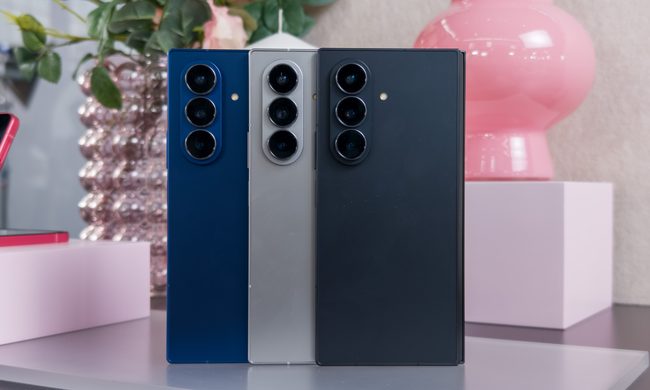
The back of the Galaxy Z Fold 7

If you've pre-ordered a Samsung foldable purely for the free storage bump, tomorrow's Unpacked event might sting a little.

For years, pre-ordering a new Galaxy meant automatically getting double the storage at no additional charge. Buy the 128GB model, walk away with 256GB for the same price. The same applied to the 256GB and 512GB models. However, that might change at the upcoming Galaxy Unpacked event. 

Read more
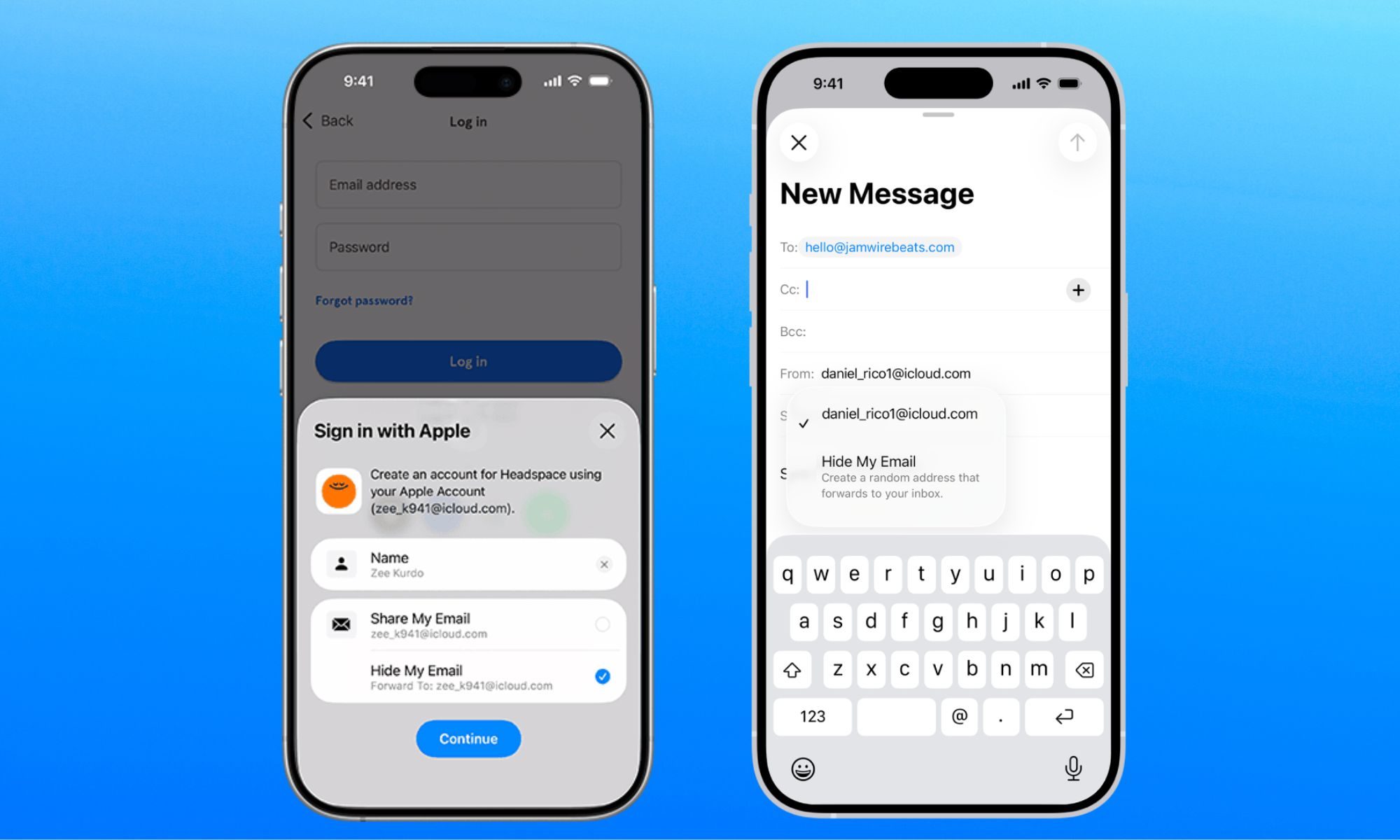
Apple fixes Hide My Email bug that exposed users’ real email addresses
Here's how Apple's Hide My Email flaw leaked real addresses for over a year, and why it only got fixed once the story went public.
apple-merging-sign-in-with-apple-hide-my-email-icloud+

Turns out the "Hide" part of Hide My Email wasn't doing its job quite as advertised, something that I covered early in July. Security researcher Tyler Murphy reported the flaw in June 2025, but despite Apple claiming it was resolved in March 2026, independent tests confirmed it remained exploitable, at least until July 3, 2026.

So how did this bug actually work?

Read more