1. Home
  2. Computing
  3. News

Tencent wants to bolster China’s chip and semiconductor industry

Add as a preferred source on Google

In light of the recent sanctions against ZTE, Tencent has pledged to work to build China’s own chip and semi-conductor industry. Reuters reports that Tencent’s leadership called the recent actions against ZTE a “wake-up” call and said that Chinese firms should not have to rely solely upon foreign suppliers.

“The recent ZTE incident made everyone more clearly realize that however advanced one may be in mobile payment, without the mobile, the chips and the operating system, you still cannot compete,” said Tencent’s Pony Ma.

Recommended Videos

Tencent, a Chinese gaming and social media company, is one of Asia’s most valuable firms, and it operates the popular WeChat app. Tencent’s efforts could include using the data collected from WeChat to help Chinese chip makers come up with better chips or encourage WeChat app developers to use chips made in China when developing their software. Ma said that he would like for Tencent to get involved with making chips itself, but admitted that was a bit outside the company’s area of expertise.

“It would probably be better if we could get in to support semiconductor R&D, but that is perhaps admittedly not our strong suit and may need the help of others in the supply chain,” Ma said.

The U.S. is working with China and ZTE to resolve the issues involving the import ban, but Ma warned that Chinese companies should not ” not lose vigilance at this time and should pay more attention to fundamental scientific research.”

China’s rapidly grow tech sector is currently heavily reliant on imports when it comes to the production of things such as smartphones and computers. China’s domestic chip market is currently so underdeveloped that ZTE is in danger of going out of business if the U.S. does not lift the company’s import ban. The Chinese government is aware that the country is struggling in this area and has taken steps to help bolster its semiconductor industry. One of the more recent actions taken is to invite foreign investors to invest in the country’s state-backed chip fund. As of right now, however, the country is still heavily reliant on imports.


Eric Brackett
Former Digital Trends Contributor
Scammers are now cloning trusted news websites to steal your money
Breaking news: That breaking news probably isn't breaking news
Scammers are turning trusted news brands into investment traps

Seeing a story on the website of a trusted news organisation is usually enough to lower your guard. Cybercriminals know that, and they're increasingly exploiting the credibility of major publishers to steal money from unsuspecting readers. The latest example involves fake Guardian articles featuring billionaire Jim Ratcliffe. Still, the scam is part of a much larger campaign that's also impersonating the BBC and other well-known media outlets.

According to The Guardian, fraudsters are creating convincing clones of legitimate news websites and filling them with fabricated stories designed to lure readers into bogus cryptocurrency and investment schemes. Instead of trying to hack victims directly, the scammers first convince them they're reading real journalism.

Read more
This floating AI robot looks like it escaped a Studio Ghibli film, and that’s exactly the point
Finally, a flying robot that probably won't chase your cat
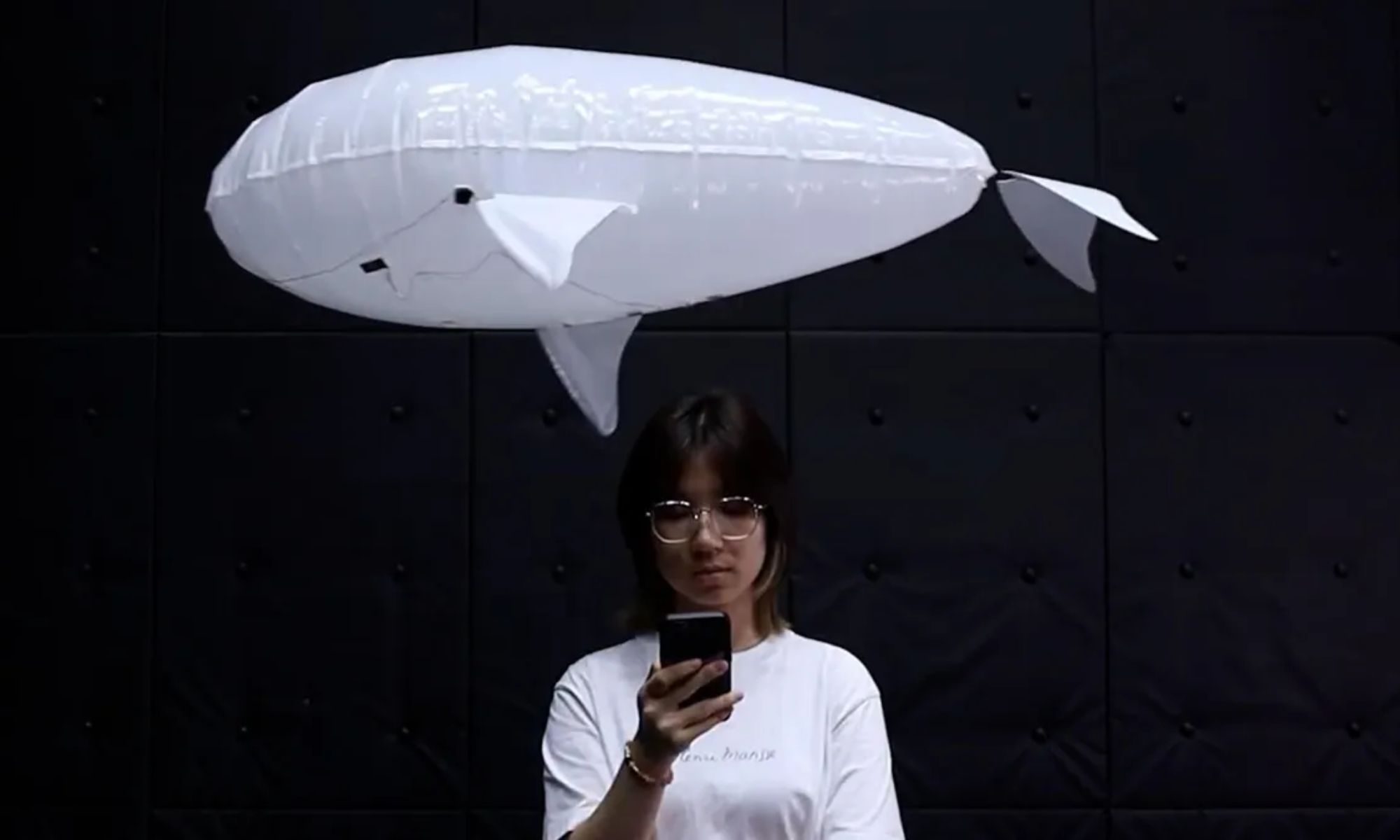
Cuddle-Fish is an innovative soft-bodied, lighter-than-air robot created by researcher Mingyang Xu at Keio University in Japan.

Most home robots today have one thing in common: they're loud, rigid, and unmistakably robotic. Whether it's a vacuum cleaner bumping into furniture or a drone buzzing overhead, they're built to perform tasks - not necessarily to make people feel comfortable. Researchers in Japan think there's a better way, and it starts with taking inspiration from animated creatures rather than industrial machines.

A research team led by Mingyang Xu at Keio University, in collaboration with institutions including the MIT Media Lab, has unveiled a prototype floating companion robot that glides silently through the air instead of rolling across the floor. Rather than looking like another gadget, the robot resembles a tiny floating creature, drawing inspiration from characters such as Tinker Bell, Pokémon's Mew, and Studio Ghibli's Soot Sprites.

Read more
Microsoft wants Windows 11 and your phone to become best friends
Microsoft's latest plans reportedly focus on making the PC and smartphone experience feel seamless.
Windows 11 PC with Android Phone

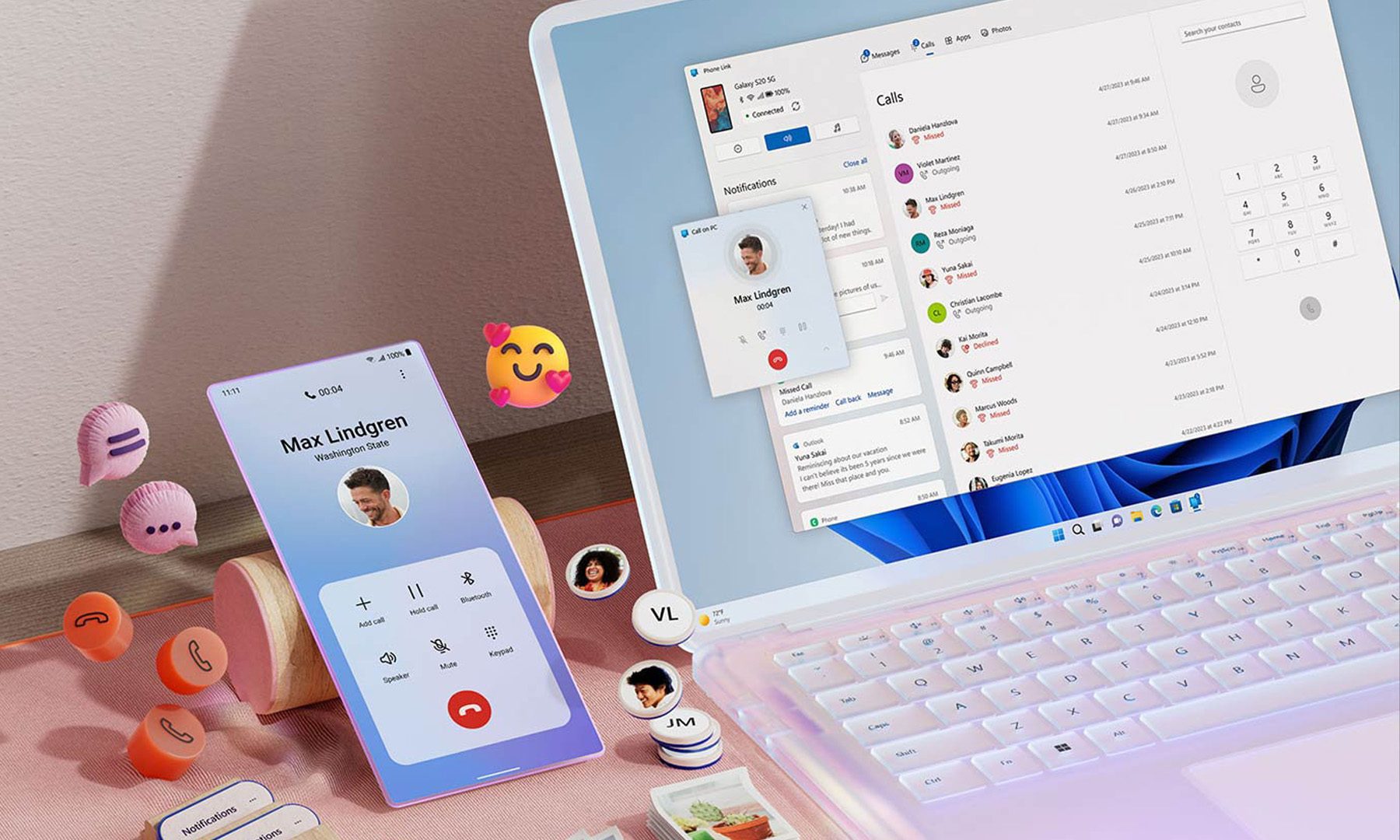
For years, Phone Link has felt like that one app everyone knows exists but rarely remembers to open. Microsoft apparently wants to change that. According to a report from Windows Central, the company is working on a major overhaul of how smartphones integrate with Windows 11, making phones feel like a native part of the operating system instead of something users access through a separate app.

Phone Link is coming out of hiding

Read more