1. Home
  2. Emerging Tech
  3. News

A huge meteorite just splashed into the ocean, and scientists want to find it

Add as a preferred source on Google

Residents of Ocean Shores, Washington, were startled on the evening of March 7 when a bright flash lit up the sky and a tremendous boom rattled the sleepy seaside town. “They thought it was a spaceship,” local resident Brittany Bryson told the Seattle Times.

It wasn’t a spaceship, but it was definitely a visitor from outer space. From analysis of radar signals, Marc Fries, NASA Cosmic Dust Curator, concluded it was a meteorite about the size of a golf cart that broke apart and splashed down into the ocean about 16 miles off the coast. Approximately two tons of fragments are likely scattered over a half-mile of seafloor.

Recommended Videos

“This is easily the biggest recorded meteor fall in the United States in 21 years,” Fries said.

Some of the debris that survived the plunge may be as large as a brick, and scientists want to retrieve as much as they can for further study. Luckily, a nearby research ship is in the middle of a survey mission, and they have some high-tech tools to aid in the scavenger hunt.

The Nautilus is the flagship of the Ocean Exploration Trust (OET), a nonprofit group founded by explorer Robert Ballard. Joined by scientists from the University of Washington, the Olympic Coast National Marine Sanctuary, and NASA, the Nautilus will use remote-operated submarines to survey the area and collect any fragments they find.

Expedition Overview: Cascadia Mapping & Meteorite Hunting | Nautilus Live

The debris field is situated near an underwater canyon about 400 feet deep. The area is relatively flat, making the dark-black meteorites easier to spot resting on the lighter seafloor. The OET, which previously discovered the wreckage of the Titanic, agreed to donate a day of their technical expertise to the endeavor. “It’s a great opportunity for us because it’s such an interesting, pure exploration type mission,” said Nicole Raineault, vice president of exploration and science.

Any meteorites discovered will be added to the research collection at the Smithsonian Institution in Washington, D.C.

The Nautilus also includes a high-speed satellite connection which is used to transmit video and other sensor data in real time to their mission control center at the University of Rhode Island. A live stream video of the expedition will be available at www.nautiluslive.org if you want to follow the search. The remote submarine dive is scheduled to occur between 9 am and 4 pm (Pacific Time) on July 2.

Mark Austin
Former Digital Trends Contributor
Mark’s first encounter with high-tech was a TRS-80. He spent 20 years working for Nintendo and Xbox as a writer and…
NotebookLM’s 60-second videos turned my doomscrolling curse into something useful
Electronics, Mobile Phone, Phone

Short videos have taken over just about every app we use. You scroll through them on X, lose track of time on Instagram, watch them on YouTube, and now even Netflix has its own bite-sized feed. So when I heard that Google was bringing the format to NotebookLM, it felt both surprising and completely inevitable at the same time.

Google has announced Short Video Overviews for NotebookLM, a feature that turns dense documents and complicated sources into 60-second vertical videos that explain key ideas. Instead of staring at pages of notes, you get a quick visual walkthrough of the concept you're trying to understand.

Read more
You can now generate images with Gemini’s memory without paying a dime
Study guide created by Gemini

Google has made one of Gemini's most interesting AI tricks a lot easier to try. The company is rolling out its personalized image generation feature to eligible U.S. users for free, removing a paywall that previously kept it exclusive to Gemini's paid tiers.

Powered by Google's Nano Banana image model, the feature does more than generate pretty pictures; it taps into Gemini's understanding of you, making AI-generated images feel surprisingly personal.

Read more
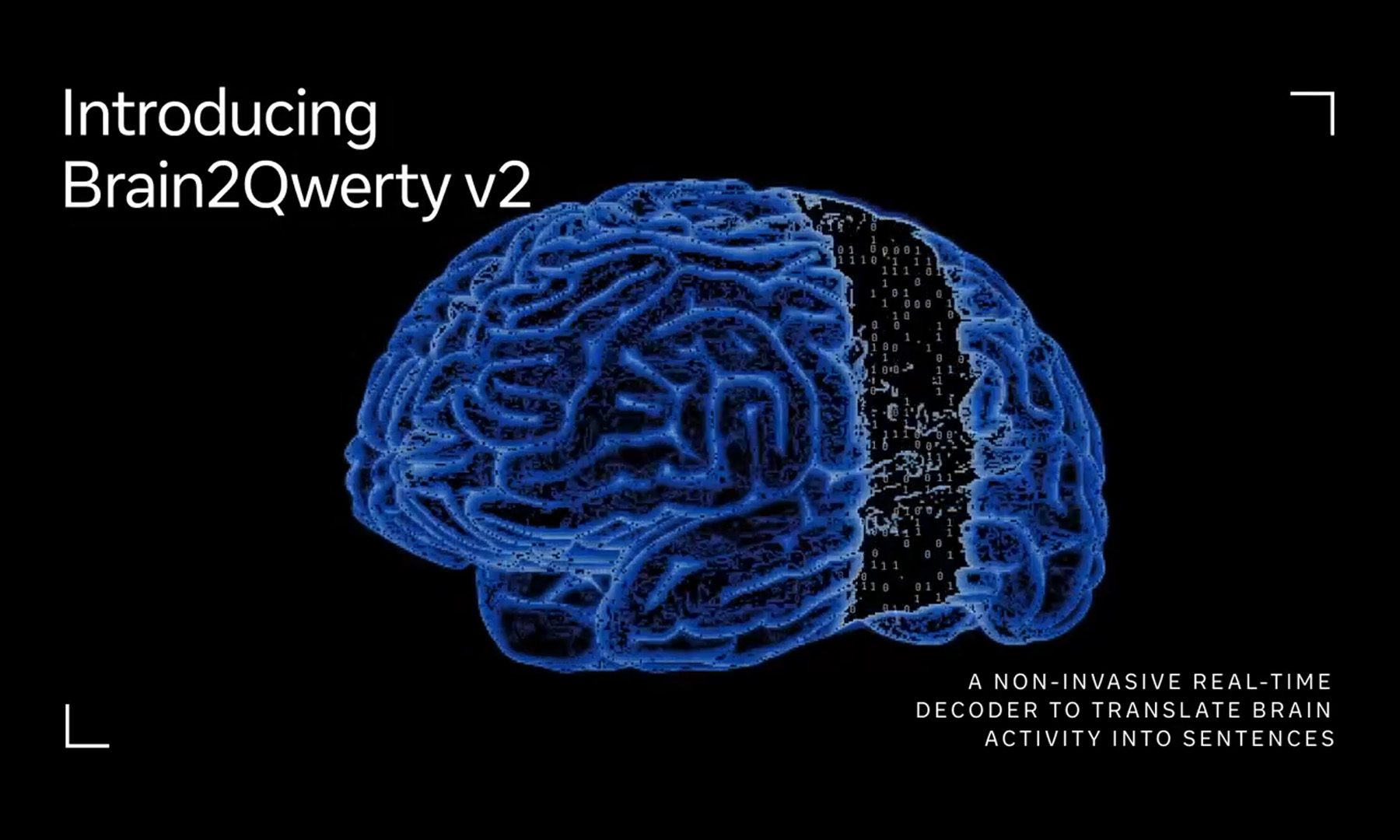
Meta’s Brain2Qwerty v2 turns thoughts into text, and it doesn’t need brain implants
The latest AI model decodes brain signals into coherent sentences using external scanners.
Meta Brain2Qwerty v2 Featured

Artificial intelligence is getting surprisingly good at understanding humans. Now, Meta wants it to understand our brains too. The company has unveiled Brain2Qwerty v2, an upgraded AI system that can translate brain activity into full sentences, all without requiring brain implants or surgery. The goal isn't mind reading for the masses. Instead, it's to help people who have lost the ability to speak communicate again.

How a Brain-powered keyboard works

Read more