  1. Home
  2. Emerging Tech
  3. News

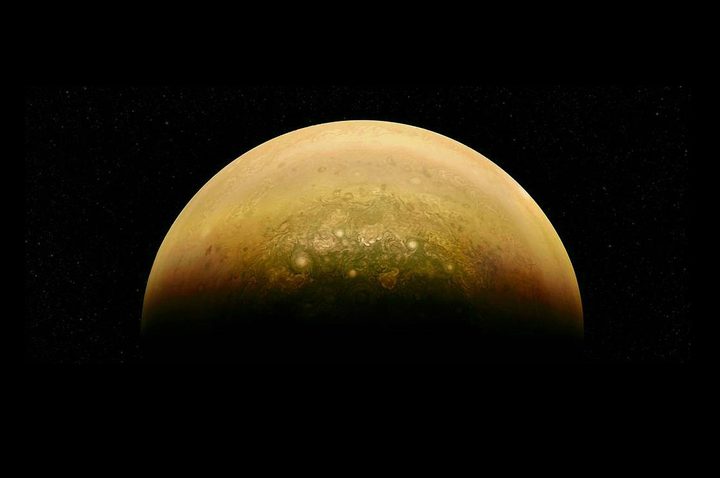
12 new moons were discovered orbiting Jupiter, and one’s an ‘oddball’

Add as a preferred source on Google
Image used with permission by copyright holder

Jupiter got 12 new moons on Tuesday, July 17. Well, not exactly. Those dozen moons have, of course, always been in Jupiter’s orbit, but it was only this week that researchers from the Carnegie Institution for Science announced their discovery. The addition of these 12 brings the total number of moons (that we know of) to a whopping 79. As you might imagine, that’s far more than any other planet in our solar system can boast.

While the research team has suspected the existence of these 12 moons for about a year, it takes several observations in order to confirm that an object is, in fact, orbiting Jupiter. As such, the team took their time in confirming the new Jovian moons.

Recommended Videos

Scientists made their latest discovery when they were actually looking for another extraterrestrial body — Planet X, the planet that is suspected to exist somewhere beyond Pluto.

“Jupiter just happened to be in the sky near the search fields where we were looking for extremely distant solar system objects, so we were serendipitously able to look for new moons around Jupiter while at the same time looking for planets at the fringes of our solar system,” team leader Scott S. Sheppard said in an announcement. Of the 12 new moons discovered, 11 are described as normal moons, while the other is an “oddball.”

What makes it weird? Apparently, it’s just 1 kilometer wide, which means it’s the smallest moon scientists have discovered to date orbiting the planet, and it takes a full year and a half to make a complete trip around Jupiter. Moreover, its orbit crosses that of other moons in retrograde (those that travel in the opposite direction of Jupiter’s rotation), which is to say that at some point, multiple moons could collide. “This is an unstable situation,” Sheppard noted. “Head-on collisions would quickly break apart and grind the objects down to dust.”

This discovery could actually give scientists clues into the formation of moons and planets as a whole. As the team noted in its announcement, “Elucidating the complex influences that shaped a moon’s orbital history can teach scientists about our Solar System’s early years.” In this case, determining that there are still several small moons surrounding Jupiter suggests that they were actually created after the planets were formed.


Lulu Chang
Fascinated by the effects of technology on human interaction, Lulu believes that if her parents can use your new app…
Yet another study says AI is bad for elections, and the rabbit hole gets worse
AI may be an election bomb waiting for someone to light the fuse
Voters cast their ballots on Election Day

Another election, another study has concluded that asking an AI chatbot for political guidance is a spectacularly bad idea. Research conducted during Hungary’s 2026 parliamentary election found that ChatGPT and Google Gemini offered not just inaccurate but also inconsistent and unreliable voting advice. The chatbots misclassified voter profiles, overlooked relevant parties, recommended parties absent from the ballot, and sometimes produced materially different answers when given the same information repeatedly.

AI keeps failing the voter test

Read more
Samsung’s humanoid robot ambitions are real, but factories come first
Samsung’s new robotics division has humanoids in its sights, although its immediate business is far more practical factory automation
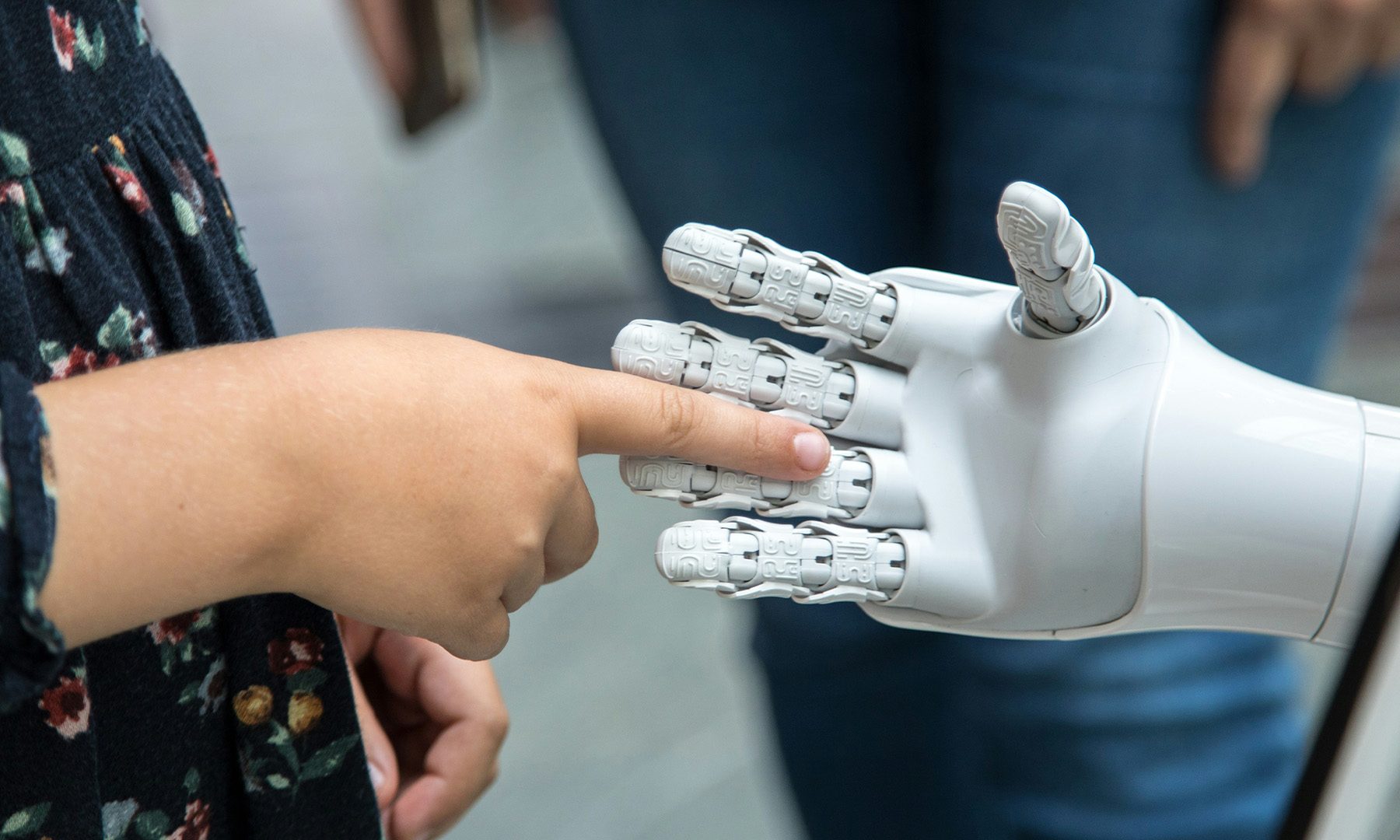
Robot Touch Human Finger

Samsung wants a place in the humanoid race, but its new robotics push begins with machines built for factories rather than homes.

The CEO-led RX robotics division will initially focus on manufacturing robots. Samsung has separately identified humanoids as a priority, although it hasn’t announced a commercial model or explained where one fits into the division’s immediate plans.

Read more
The future of AI may depend on this one behind-the-scenes change
Running Claude on Android.

Whenever a new AI model arrives, it's easy to get caught up in the bells and whistles. We talk about how much smarter it is, how quickly it answers questions, or how realistic its images have become. But here's the thing: none of that matters much if the AI can't reliably work with the apps and services people use every day.

That's why an upcoming update to the Model Context Protocol (MCP) caught my attention. It isn't a new chatbot or a fancy AI model. In fact, most people will never even know it's happening. But it could quietly make the AI ecosystem a lot healthier. If you've never heard of MCP before, don't worry. Think of it as a shared language that lets AI assistants safely talk to apps like Gmail, Slack, calendars, databases, and countless other services. Instead of every company inventing its own way to make those connections, MCP gives everyone a common rulebook.

Read more