  1. Home
  2. Phones
  3. Android
  4. Apple
  5. Mobile
  6. News

Anker’s new USB-C wall charger packs 27 watts, fits in the palm of your hand

Add as a preferred source on Google
Image used with permission by copyright holder

At an event in New York City, Anker Innovations unveiled its latest accessory, the PowerPort Atom PD 1, the first installment of its lineup of slim and lightweight USB-C wall chargers. But don’t be fooled by its small size, the charger packs 27 watts, giving you the ability to not only power up your MacBook, but your Nintendo Switch, smartphone, and more.

For an easier visual of exactly how small the charger is, the PowerPort Atom PD 1 is only slightly bigger than the standard 5-watt iPhone charger. Weighing in at 2.2 ounces, the pocket-sized charger is also lightweight, allowing you to pop the accessory into your backpack or handbag without weighing you down.

Recommended Videos

The charger features a single USB-C port with a total output wattage of 27 watts that Anker says can charge up to two and a half times faster than stock phone chargers. It uses Gallium Nitride (instead of silicone) —  a semiconductor material that allows the charger to operate at a higher frequency for more efficient charging, while also producing less heat.

While it remains to be seen how quickly the wall charger can juice up a device, our own experience with an Anker charging stand was impressive because it, too, produced less heat. In our wireless charging pad comparison, we put the Anker PowerWave 7.5 up to the test against Belkin, iOttie, and Mophie only to find out the company’s stand took only 2 hours and 44 minutes to charge.

We also had some hands-on time with the new wall charger and at first glance, it’s hard to believe there are 27 watts packed into such a tiny charger. Not only is it light and compact, but (as with most Anker products) it looks sleek. But we’re even more excited for the next installments in the lineup: The PowerPort Atom PD 2 (with two USB-C ports) and Atom PD 4 (with two USB-C ports and two Type-A ports) which will have an output wattage of 60 watts and 100 watts, respectively. Unfortunately, we’ll have to wait a little while longer for those.

As for the PowerPort Atom PD 1, it will be out at the end of November. You will be able to purchase it from Amazon for $30.

Brenda Stolyar
Former Staff Writer, Mobile
Brenda became obsessed with technology after receiving her first Dell computer from her grandpa in the second grade. While…
Latest Pixel 11 series leak offers the clearest look yet at Google’s next flagship
Google's next Pixel has leaked again, but this time almost nothing is left to imagine
Pixel 11

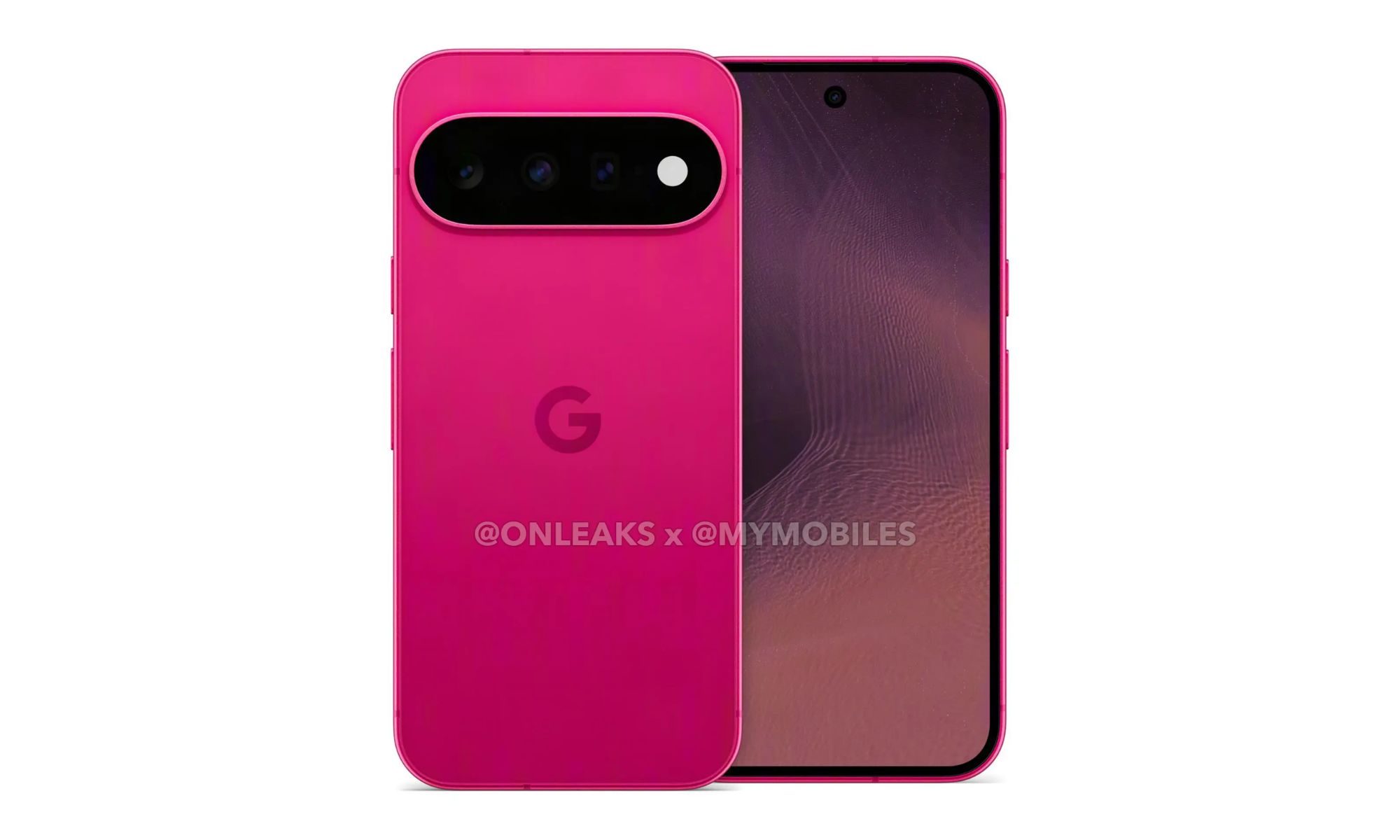
Google's Pixel launches have become increasingly difficult to keep under wraps, and the Pixel 11 series appears to be no exception. Weeks before Google's scheduled August 12 launch event, a fresh leak has revealed what is claimed to be the complete set of official press renders for the Pixel 11, Pixel 11 Pro and Pixel 11 Pro XL, showcasing every colour option across the lineup.

The renders, published by MyMobiles in collaboration with tipster OnLeaks, offer what is arguably the most comprehensive look yet at Google's next flagship family. If authentic, they not only confirm earlier design leaks but also reveal Google's colour strategy for 2026, including a vibrant Fuchsia finish for the standard model and a new copper-inspired "Dune" variant for the Pro series.

Read more
Galaxy Z Flip 8 vs. Motorola Razr Ultra (2026): Samsung’s flip phone is cheaper, but is it better?
One flip phone wins on value. The other wins on hardware.
Electronics, Phone, Mobile Phone

Flip phones have quietly become one of the most competitive corners of the smartphone market. It provides buyers with a satisfying folding snap, reducing the footprint to half the original size, and that’s the entire point. Motorola never really left the format after reviving the Razr name, while Samsung has spent generations treating the Flip line as its scrappy, budget-friendlier sibling to the Fold. 

This year, though, the gap between the two camps has narrowed to the point where picking a winner requires genuinely reading the spec sheet and learning about the phones before putting your money into one. One phone leans hard into raw display firepower, while the other leans into a deeper software ecosystem and a friendlier price tag. 

Read more
Samsung finally switched to silicon-carbon battery on Galaxy Z Fold 8. What’s so special about it?
One of Galaxy Z Fold 8’s biggest upgrade is hiding inside
Galaxy Z Fold 8 Ultra with Fold 8

Samsung has finally joined the silicon-carbon battery race with its latest batch of premium foldables packing the new battery tech. But details for this change were rather hard to spot on the spec sheets. The company has confirmed during media briefings that the Galaxy Z Fold 8 Ultra, Galaxy Z Fold 8, and Galaxy Z Flip 8 all use silicon-carbon batteries.

Even then, the resulting capacities are hardly record-breaking. The Fold 8 Ultra carries a 5,000mAh battery, the regular Fold 8 gets 4,800mAh, and the Flip 8 has 4,300mAh. Rivals from Honor and Motorola have already crossed the 6,000mAh mark. But the figures only tell part of the story.

Read more