1. Home
  2. Phones
  3. Android
  4. Mobile
  5. Features

Who’s Bugdroid? Meet the cute mascot of Android

Add as a preferred source on Google
Android
Julian Chokkattu/Digital Trends

Having a recognizable logo is important for a company’s branding. When you see the golden arches of McDonald’s M, Nike’s swoosh, or the Starbucks siren, you instantly know what they are. No further signage or explanation is required. Sometimes good logos go beyond simple recognition to convey something about the brand behind them, like Amazon’s logo with the arrow that goes from A to Z, signifying the fact it sells everything.

Before the operating system came along, android usually meant a robot with a human appearance or form, so it makes sense that Google’s Android logo is a friendly-looking green robot. But that friendliness and openness also conveys something about the platform, which was conceived as a path towards open standards for smartphone manufacturers and developers.

Recommended Videos

What is it called?

The Android mascot was never officially named. For a while the name Andy was associated with the logo — potentially referring to Android’s creator Andy Rubin — but we’re not sure where that came from. The Android team called it Bugdroid, and that name is as close as you’ll get to an official moniker.

When Google mentions Bugdroid, it still generally refers to it as the Android mascot.

Bugdroid goes viral

Android Logo

Who created the Android logo?


The Android logo was created by a designer called Irina Blok while she was working for Google. The idea was to create an open source logo for the developer community. The fact that it was open source, just like the Android platform, meant that anyone could create their own version of it, and they did.

Blok’s design was simple enough to become iconic, appealing to a much wider audience than the development community it was initially aimed at. She went on to work at Adobe, Apple, and Facebook among others.

After its release, the cute Android mascot began to pop up everywhere with all manner of strange makeovers, including ninjas, pirates, and even cats. One of the smartest artworks depicted the Android mascot taking a bite out of the famous Apple logo. Because Google didn’t claim any ownership or try to push design rules or restrictions, the mascot has appeared in countless forms across the world.

Bugdroid quickly spread to t-shirts and keychains. The mascot craze even gave rise to plastic and plush collectibles with endless versions. Google eventually launched Androidify, giving you the chance to design your very own version of the Android mascot that looks just like you.

Now more than a decade old, Bugdroid is still going strong and continues to serve as the instantly recognizable face of the Android platform. Every new version has a Bugdroid to match, and Google has a lawn on its Mountain View campus dedicated to previous Android version Bugdroid statues. Google also celebrated 10 years with a special Android Jetpack browser game that challenges you to navigate the mascot through the air collecting sweet treats and avoiding bugs.

We have no idea what Android Q will be called, but we’re sure the Android mascot will be front and center when it’s unveiled.

Simon Hill
Former Associate Mobile Editor
Simon Hill is an experienced technology journalist and editor who loves all things tech. He is currently the Associate Mobile…
Apple’s new Upgrade plan looks cheap until you remember who owns the device
Apple Upgrade could be perfect for serial upgraders. But most people aren't one
Computer, Electronics, Laptop

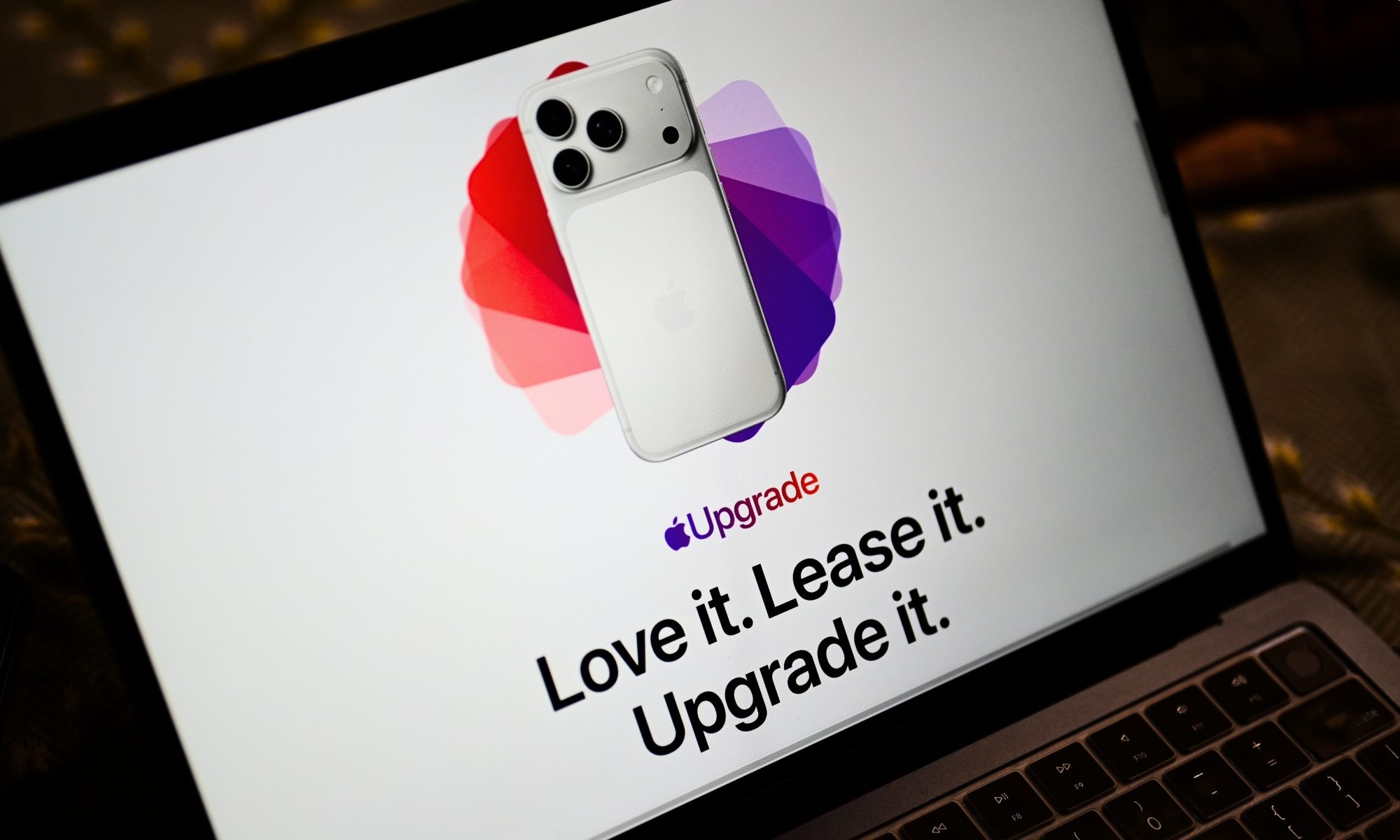
Apple has found a great way to make an expensive iPhone more approachable. Apple Upgrade lets customers lease eligible devices through Klarna, with iPhone terms lasting 12 or 24 months. At the end, you can return the device, begin another lease, or pay the remaining amount to own it.

My initial reaction focused heavily on the value customers lose by returning an iPhone they could have sold or traded. While that concern is still valid, the program makes considerably more sense for a select group of people who already replace their iPhones every year. But the question is... how many people actually do that?

Read more
Pixel 11 Pro Fold appears in official-looking images, and its design leaves me underwhelmed
Google’s next foldable looks too similar to the Pixel 10 Pro Fold
Electronics, Mobile Phone, Phone

Previous CAD renders had already lowered my expectations for the Pixel 11 Pro Fold. The latest promotional material shared by Evan Blass through the Leakmail newsletter leaves little hope of anything beyond a new paint job and design tweaks so minor that most people would struggle to notice them without looking closely.

The phone looks disappointingly similar to the Pixel 10 Pro Fold, retaining the same proportions, rounded corners, and unusual camera island. I have never liked the way Google stacks what look like two smaller Pixel camera visors on top of each other. It feels awkward rather than cohesive.

Read more
Samsung lays out grim pricing prophecy for mobile and PC gear
Memory shortage could get worse in 2027 and last through 2028
Electronics, Phone, Mobile Phone

Samsung warned in April that the memory shortage could get worse in 2027. Three months later, the company’s outlook has become even more troubling for anyone planning to buy a new phone, laptop, gaming PC, or another device packed with memory and storage.

During its Q2 2026 earnings call, Samsung said demand is still running far ahead of supply and that orders it cannot fulfil this year are likely to spill into the next. The company now expects the shortage to persist through 2028, extending its earlier warning by another year.

Read more