1. Home
  2. Phones
  3. Mobile
  4. Virtual Reality
  5. News

Google awarded patent for using eye tracking to detect expressions in VR

Add as a preferred source on Google

Google Glass may not have been the smash hit that Google would have wanted, but that doesn’t mean that the company isn’t working on building better augmented and virtual reality technology. In fact, Google was just awarded a patent for a way to track facial expressions through eye-tracking cameras, something that could be significantly helpful in creating immersive VR experiences.

The patent is called “Classifying Facial Expressions Using Eye-Tracking Cameras,” and essentially has to do with using a machine learning algorithm, coupled with eye-tracking sensors, to infer the expressions that users have on their faces. The patent goes on to describe users being able to interact with each other in a virtual world through avatars, which would look like the user, and, with this tech, have their facial expressions, too.

Recommended Videos

As the patent notes, because of the fact that virtual reality headsets tend to obscure the user’s face, it can be difficult to tell what the user’s facial expression is when they’re wearing one. A machine learning algorithm, however, could be trained to learn expressions related to anger, happiness, surprise, and so on. It could also be trained to identify things like the brow lowering, lip raising, and more.

The tech certainly could make augmented and virtual reality more immersive. Virtual reality has started becoming increasingly common with headsets like the HTC Vive, Oculus Rift, and with platforms like Google Daydream. Virtual reality as a whole, however, is seen as still being in its infancy and is likely to go through a ton of development over the next decade or so. One of its biggest problems is that it’s still not quite as immersive as it could be, whether due to low-resolution graphics, slower performance, or that users still aren’t really visually represented in virtual reality experiences just yet. Google’s new tech could especially help the last issue by ensuring that users are visually represented in games and experiences in a way that’s accurate and detailed.

Of course, just because Google has filed a patent that doesn’t mean that it’ll put it to use. The likes of Google and Apple routinely file patents for tech they never use.

Christian de Looper
Christian de Looper is a long-time freelance writer who has covered every facet of the consumer tech and electric vehicle…
Vibecoded apps are flooding Apple’s App Store, and users are getting sick of them
App Store submissions have doubled this year as AI tools make it easier than ever to build an app, but downloads haven't kept pace, and for good reason.
Apple App Store homepage on an iPhone

Apple's App Store is in the middle of its steepest submission surge in years. Developers submitted nearly 600,000 new apps last year, marking a 30 percent jump over the previous year. That number has already doubled to roughly 560,000 new apps in just the first six months of this year, according to estimates from analytics firm Sensor Tower cited by the New York Times. The reason behind the spike is vibecoding, which allows people with no prior development experience to create new apps using AI tools.

A familiar boom, with a twist

Read more
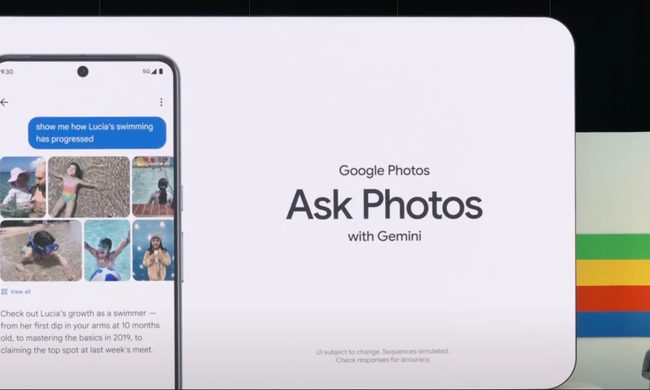
Google Photos adds a quick toggle between AI and classic search
Classic search is finally easier to reach for people who enabled Ask Photos
Google's Ask Photos debut.

Google Photos is giving users an easier way to leave its Gemini-powered search when a simple keyword would do. A new toggle now sits at the top of the results page, letting users switch between Ask Photos and classic search without digging through settings.

The change appears to address feedback from people who opted into Ask Photos but wanted a quicker way to return to classic search when Gemini was slower or less useful for a straightforward query.

Read more
Snapseed Camera now lets Android users save original photos and add geotags
Google updates Snapseed Camera with geotag support and non-destructive photo editing
Snapseed App

Google appears to be quietly turning Snapseed into something more than just a photo editing app. Over the past few weeks, the company has been steadily adding new capabilities to Snapseed Camera, its standalone camera app for Android. The latest update introduces two practical features that many smartphone users have come to expect from modern camera apps: the ability to save an untouched copy of every image for future editing and support for embedding location data directly into photos.

Neither feature is flashy, but together they make Snapseed Camera a more capable photography tool, particularly for users who like experimenting with filters without permanently altering their original shots. According to a report by 9to5Google, the features are rolling out with Snapseed Camera version 4.1.1.x on Android.

Read more