  1. Home
  2. Computing
  3. News

Scammers’ latest phishing attacks are using that little green padlock to fool you

Add as a preferred source on Google
Chrome ad blocker
Digital Trends

When you visit a website in a browser, it’s long been advised that you check for the green padlock icon next to the web address in the URL bar to indicate that you’re visiting a secure site. However, as cybercriminals and hackers are also using security features — for the nefarious purpose of tricking you — that security advice no longer holds true.

Cybersecurity researchers at PhishLabs reported that nearly half of all fraudulent websites are also using the green padlock symbol in the URL bar, with the hope that you’ll be fooled into thinking that you’re in fact visiting a legitimate and secure site. And because many web surfers have been trained into believing that the green padlock logo indicates that a site is safe, the number of fraudulent websites adopting the padlock has increased from 24 percent in 2017 to nearly 50 percent in 2018.

Recommended Videos

When a browser shows the green padlock in the browser bar, it means that a site is sending information over an encrypted connection. That doesn’t mean that only legitimate sites will have access to the padlock logo, but it does mean that you should not enter private information — like credit card or Social Security numbers — on a site lacking that logo. However, given that hackers are getting more sophisticated, you should also do more research and make sure you’re actually on a legitimate website even when you do see a green padlock.

When you’re visiting a fraudulent website with a green padlock, it means that the information you’ve entered will be transmitted over an encrypted connection. But instead of going to your favorite ecommerce site to make your purchase, your credit card details will be transmitted securely to a hacker phishing for your information.

Researchers cite cheaper access to encrypted connections as one reason for the rise in fraudulent websites with the green padlock. “Criminals can now easily obtain certificates that enable the padlock to show up and encryption to take place, and they can do it without revealing very much about who they are,” CNET reported.

The increased use of the green padlock may also stem from publicity around the feature. Popular browsers like Google’s Chrome or Mozilla’s Firefox began flashing red warnings to users when they visited an unsecured site, which is often noted with an HTTP rather than an HTTPS prefix.

Chuong Nguyen
Silicon Valley-based technology reporter and Giants baseball fan who splits his time between Northern California and Southern…
How to install macOS 27 Golden Gate public beta on your Mac?
From a smarter Siri to a more reliable Spotlight, here's your full walkthrough for installing macOS 27 Golden Gate's public beta today.
macOS 27 Golden Gate

Along with iOS 27’s public beta, Apple has also released macOS 27 Golden Gate’s public beta build, so that early adopters can get their hands on the new features, including Siri AI, and provide timely feedback to help ensure a stable iOS launch in September. 

If you’re sold on all the new features but don’t want to put your faithful MacBook through developer beta duty, a public beta offers a much more refined experience. To install macOS 27’s public beta, follow the steps given below. 

Read more
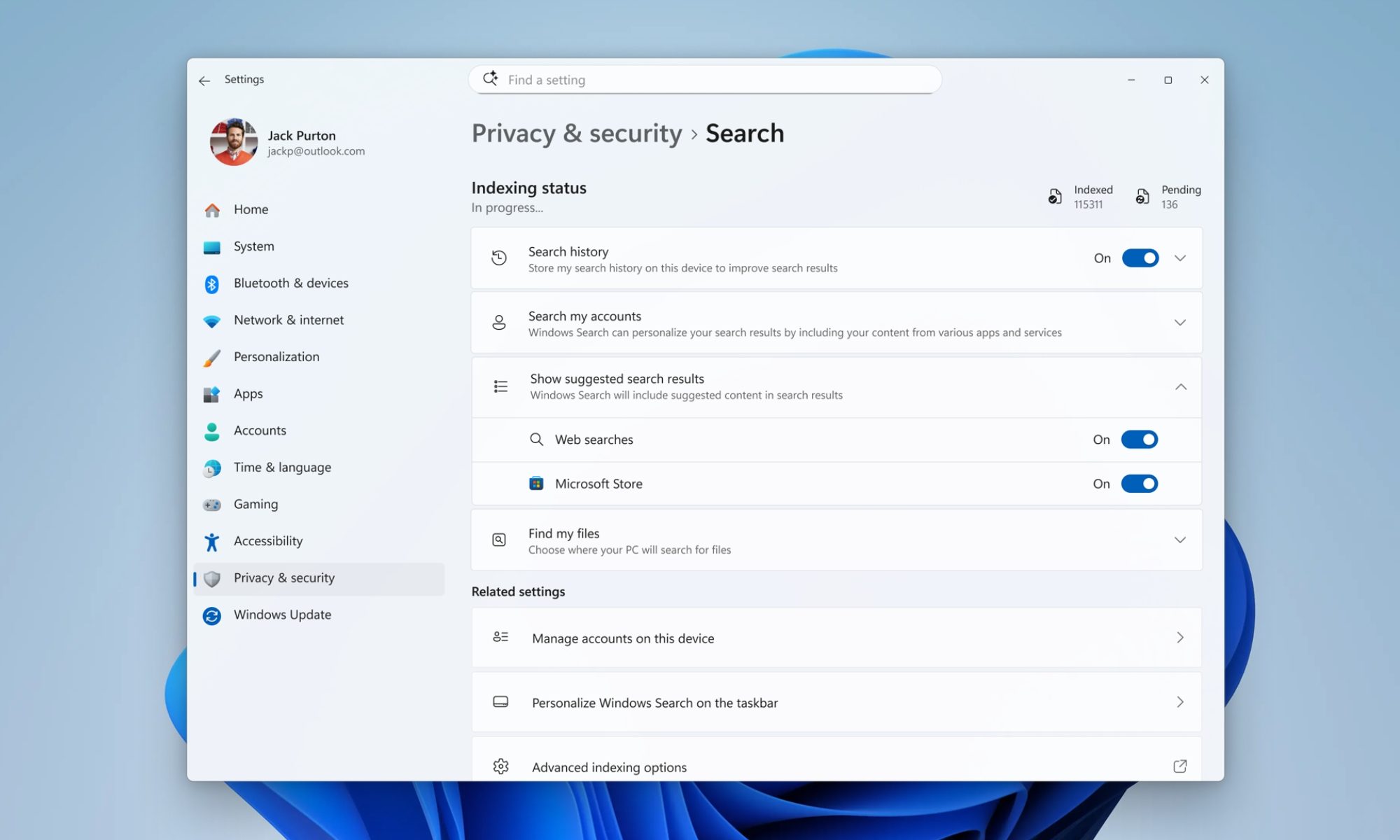
Microsoft is finally fixing the worst thing about Windows Search, but you can’t try it just yet
Windows Insiders in the Experimental channel are getting a Search experience that finally feels less of a billboard and more of what users actually need.
Page, Text, Person

Windows Search has been a mess for years, and I do not use that word lightly. Open it to find a file, and you get trending Bing topics, Microsoft Store promotions, and an AI tools tile that just opens a browser. 

That is changing, but not immediately for all users. Microsoft is rolling out a batch of Windows Search improvements to Insiders in the Experimental channel, and for once, this isn't just a fresh coat of paint.

Read more
Apple doesn’t want to share this AirPods feature with Meta, but the EU may force its hand
Spring 2027, EU only, built under DMA pressure.
The front of the Ray-Ban Meta smartglasses.

I’ve been an AirPods user for the last four years, and one of the things that makes it genuinely hard to leave behind is the seamless, almost magical pairing experience across devices. Open an AirPods case near your iPhone, and a pop-up appears within seconds. Switch to your Mac and the audio follows. 

However, the experience is limited only to Apple devices. Doesn’t matter whether you have one of the coolest pieces of tech on the market right now; if it’s not Apple, it won’t get the same treatment. However, that might change for the Meta Quest or the Ray-Ban Meta glasses, thanks to pressure from the EU. 

Read more