  1. Home
  2. Emerging Tech
  3. News

NASA’s Mars 2020 rover passes its tests with flying colors

Add as a preferred source on Google

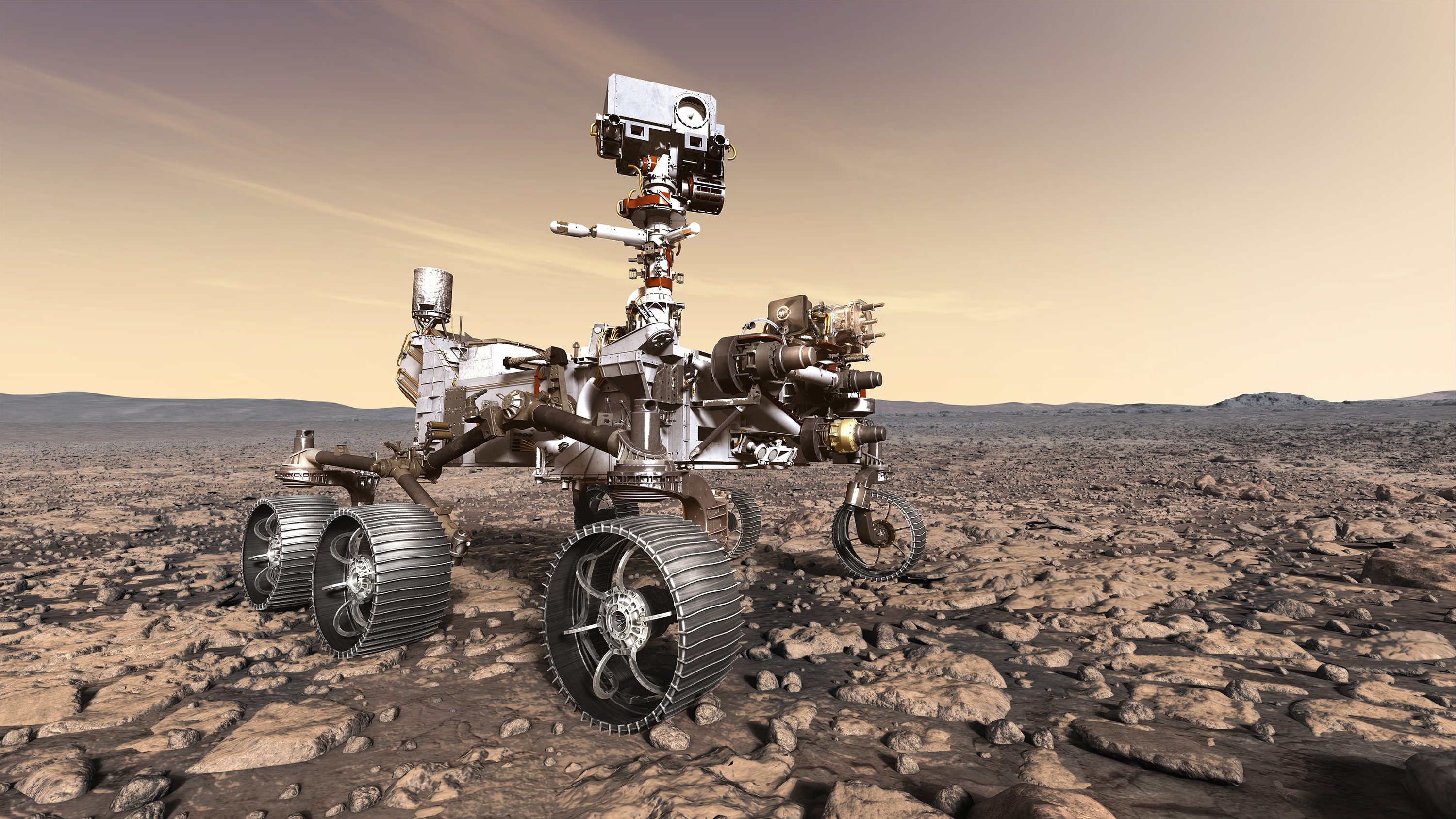
This artist’s rendition depicts NASA’s Mars 2020 rover studying its surroundings. NASA/JPL-Caltech

Preparations are well underway for NASA’s next mission to Mars, when it plans to land the Mars 2020 rover on the surface to look for signs of life and collect samples. Recently, the Mars 2020 rover team has been undertaking a series of tests to see if the craft will be able to launch, navigate, and land on the Red Planet. Called Systems Test 1, or ST1, these tests represent the first test drive of the new rover.

Recommended Videos

“ST1 was a massive undertaking,” Heather Bottom, systems engineer for the Mars 2020 mission, said in a statement. “It was our first chance to exercise the flight software we will fly on 2020 with the actual spacecraft components that will be heading to Mars — and make sure they not only operate as expected, but also interact with each other as expected.”
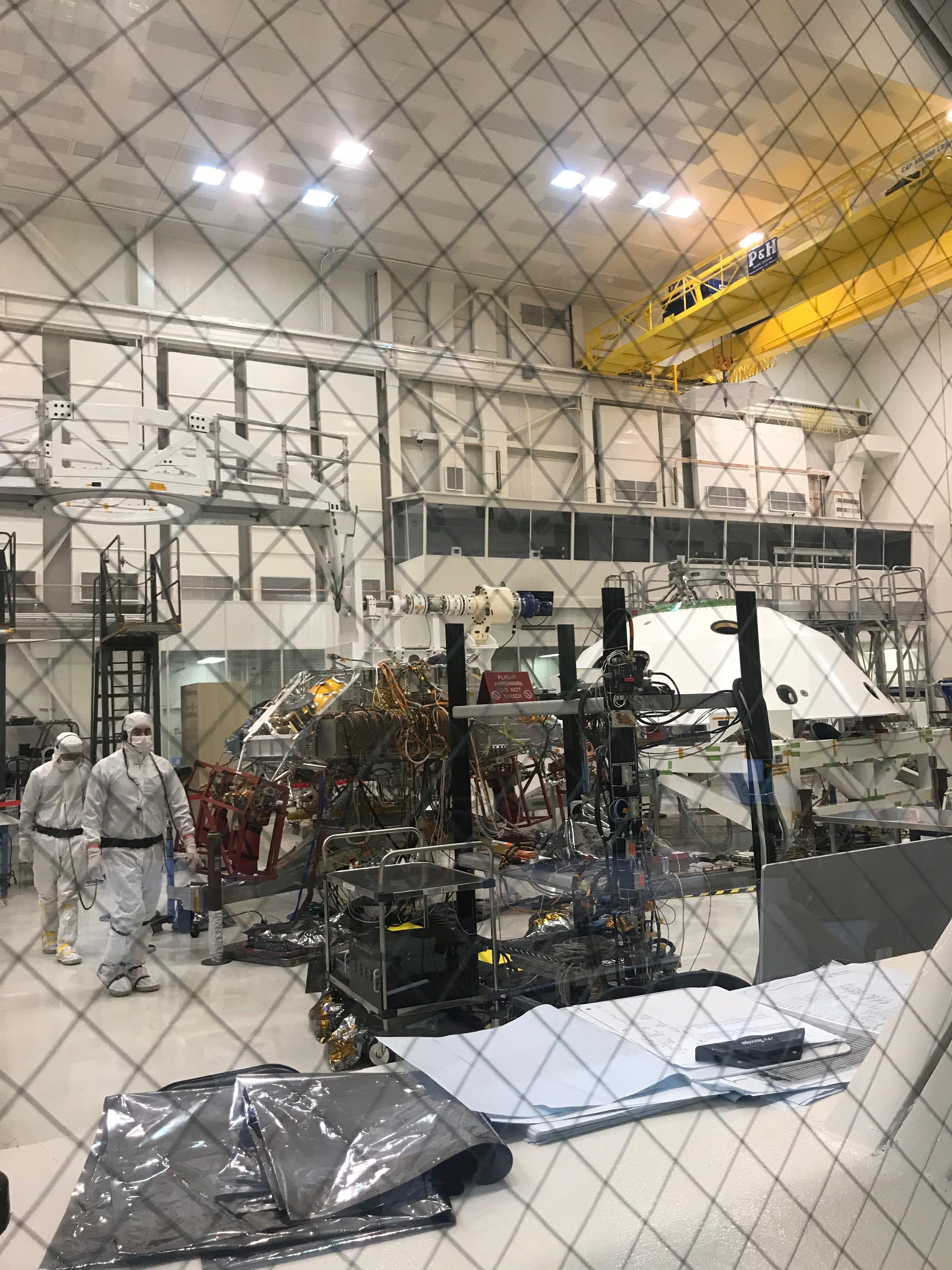
Technicians working Mars 2020’s System’s Test 1 approach their workstation in the Spacecraft Assembly Facility at NASA’s Jet Propulsion Laboratory in Pasadena, California. NASA/JPL-Caltech

The tests were performed at the Jet Propulsion Laboratory in Pasadena, California, in the High Bay 1 cleanroom, requiring the technicians to don white “bunny suits” to prevent the introduction of any contaminants. Most of the working team members were outside the room and looking in, with just two technicians overseeing the tests in person.

Designed to be as realistic as possible, the tests included communications handled by X-band radio transmission, just as will be the case with the real 2020 mission. An umbilical of electrical cabling fed data and power to the craft, and the launch capacities were tested when commands for powering on the electrical components and configuring the thermal, power, and telecomm systems were relayed.

After several tests of the launch system, the landing sequence was tested too, as well as a deep space cruise. The tests were successful, and in the end the team was able to perform two landings, four launches, several trajectory correction maneuvers, and deep space navigation.

The next challenge for the rover is to see how it will cope with the low temperatures on Mars by testing its abilities to perform in cold environments. “One of the future scenario tests will place the rover inside a thermal chamber and simulate being on the surface,” Bottom explained. “It will step through mission critical activities at some very low Mars surface temperatures. Both literally and figuratively it will be a very cool test.”

Georgina Torbet
Georgina has been the space writer at Digital Trends space writer for six years, covering human space exploration, planetary…
China’s UBTech unveils eerily lifelike companion robots, and yes, they want to move in with you
UBTech's new humanoid robots are built for companionship, using emotion-aware AI, long-term memory, and humanlike expressions to become part of your everyday life.
UBTech Uworld U1 series robot launch

A humanoid robot designed to live in your house, learn your habits, and pick up on your mood without being prompted is no longer science fiction. Shenzhen-based UBTech Robotics unveiled its Uworld U1 series this week, introducing three robots built for companionship rather than factory work or household chores.

A body that moves like yours, and a brain that reads how you feel

Read more
This $249 LED sign wants to fix your work-life balance
My productivity isn't worth $249... or is it?
Flipper Busy Bar

Flipper Devices has built a reputation among hackers and hardware enthusiasts with the Flipper Zero, a pocket-sized gadget capable of interacting with RFID, NFC, Bluetooth, and other wireless protocols. Now, the London-based company is taking a very different approach.

Its latest product, the Busy Bar, is a desktop productivity display designed to help users stay focused, signal their availability, and automate parts of their workflow. After being teased last year, the device is finally going on sale on July 14. While the concept is genuinely clever, its starting price of up to $249 may make many buyers think twice.

Read more
FAA clears the runway for Mach flights that could cut travel times nearly in half
New regulations could dramatically reduce travel times while keeping sonic booms under control.
Supersonic Flight Time

The dream of flying faster than the speed of sound just took a major step forward. The Federal Aviation Administration (FAA) has announced a proposed rule that would create the first noise-based certification standards for a new generation of supersonic passenger aircraft, removing one of the biggest regulatory hurdles standing in the way of commercial Mach 1+ flights.

The goal is simple: fly faster without the boom

Read more