1. Home
  2. Computing
  3. Apple
  4. News

Apple may take Face ID to the next level, scan retinas for increased security

Add as a preferred source on Google
Image used with permission by copyright holder

Face ID was first officially unveiled by Apple at its September 2017 iPhone event, allowing individuals to securely unlock their devices thanks to a newly designed facial recognition sensor. A recent patent filed by the company with the European Patent Office shows that the system might become just a bit more advanced, taking into account retinal scanning. The newly discovered patent also makes references to a stand-alone keyboard containing a built-in Touch Bar with Touch ID.

A patent doesn’t necessarily guarantee that Apple will be implementing new technology into its lineup. Companies commonly patent ideas for the sake of holding intellectual property close, but it is fascinating to learn that Apple is looking at alternative biometric authentication options for its users. Face ID makes a 3D model of a users face and compares it against a stored model; all this is possible thanks to latest iPhones and iPad Pros containing both an infrared dot projector and an infrared camera for creating highly detailed depth maps.

Recommended Videos

The security of Face ID is not to be understated either, unlike previous implementations of face recognition from past companies, including Samsung, Face ID uses 3D mapping, not flat imagery. The result, Apple claims, is that the chance of someone unlocking your phone secured by Face ID is one in a million. On the other hand, retinal scanning could introduce even higher security, preventing lookalikes, such as a twin or close relative, from attempting to unlock your phone with an additional layer of protection.

Apple wouldn’t be the first company to attempt using retinal scanning on its devices. Samsung introduced the ability to unlock its Galaxy S8 with such a feature in 2018; however, if Apple opts to use retina scanning as a secondary authentication layer, it could make its system all the more secure for users. With Apple likely preparing to move its authentication system to its Mac lineup at some point soon, the new feature could help to meet stricter security standards.

Lastly, although we have seen patents noting Touch ID on stand-alone keyboards in the past, it is worth noting that Apple’s most recent offerings continue to illustrate the possibility. Within Apple’s European Patent Office filings, the company continues to depict what appears to be a Magic Keyboard with an integrated Touch Bar. Overall, Apple doesn’t look to be stepping down its focus on biometric authentication for any of its devices.

Michael Archambault
Former Digital Trends Contributor
Michael Archambault is a technology writer and digital marketer located in Long Island, New York. For the past decade…
Gemini Notebook’s new Collections arrive just as Google turns it into a bigger workspace
Google is cleaning up notebook organization as the former NotebookLM expands across Gemini and Search
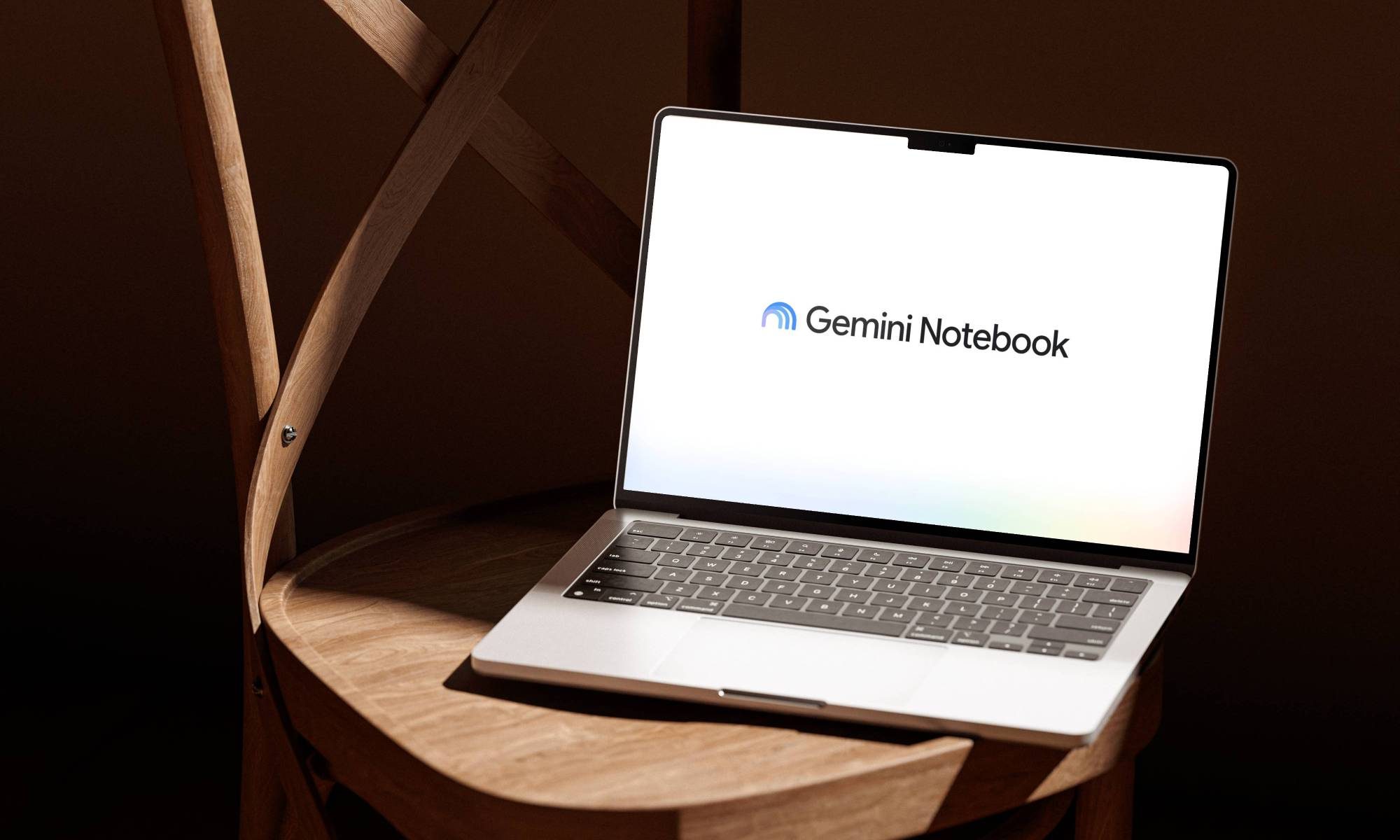
Gemini Notebook branding on a MacBook

Google has barely finished renaming NotebookLM, and it’s already addressing one of the headaches that comes with building a large research library.

Collections are rolling out to all Gemini Notebook users, giving them a way to group related notebooks while keeping everything visible under My Notebooks. The dashboard gets some structure without asking users to rearrange the library they’ve already built.

Read more
Samsung’s humanoid robot ambitions are real, but factories come first
Samsung’s new robotics division has humanoids in its sights, although its immediate business is far more practical factory automation
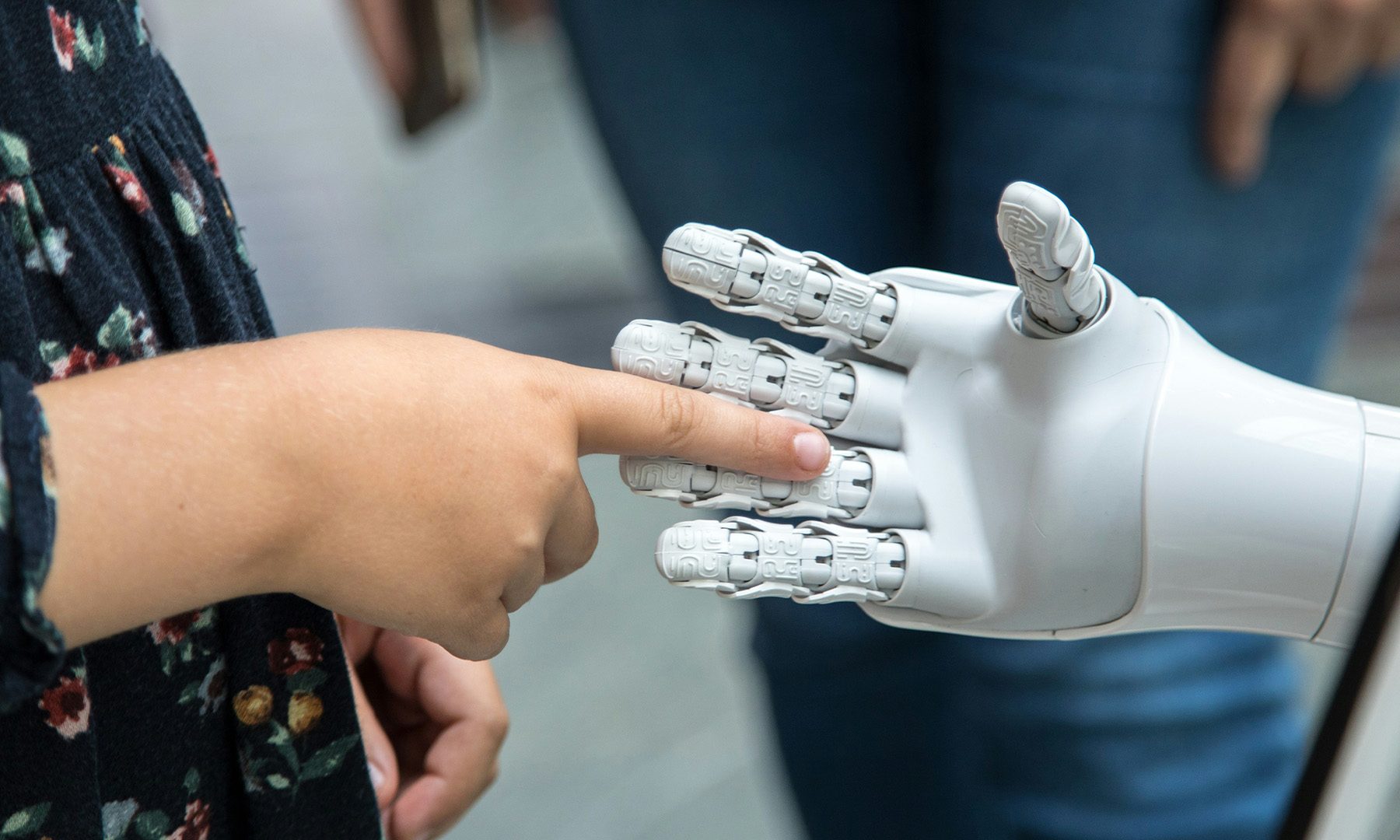
Robot Touch Human Finger

Samsung wants a place in the humanoid race, but its new robotics push begins with machines built for factories rather than homes.

The CEO-led RX robotics division will initially focus on manufacturing robots. Samsung has separately identified humanoids as a priority, although it hasn’t announced a commercial model or explained where one fits into the division’s immediate plans.

Read more
WhatsApp’s Liquid Glass redesign is finally coming to Mac after months of waiting
WhatsApp's Mac app is getting Apple's Liquid Glass-inspired makeover
WhatsApp

WhatsApp has been steadily adopting Apple's new design language across its apps, but Mac users have largely been left watching from the sidelines. That is finally beginning to change.

The messaging platform has started rolling out its Liquid Glass redesign for the WhatsApp Mac app, bringing the desktop experience much closer to what iPhone and iPad users have been seeing over the past few months. The update introduces a refreshed interface with redesigned navigation elements, updated menus, and a cleaner layout that aligns with Apple's latest software aesthetic. According to WABetaInfo, the rollout has begun through the latest Mac App Store update and is currently reaching a limited number of users.

Read more