  1. Home
  2. Emerging Tech
  3. News

Resupply mission carries 7,600 pounds of scientific equipment to ISS

Add as a preferred source on Google

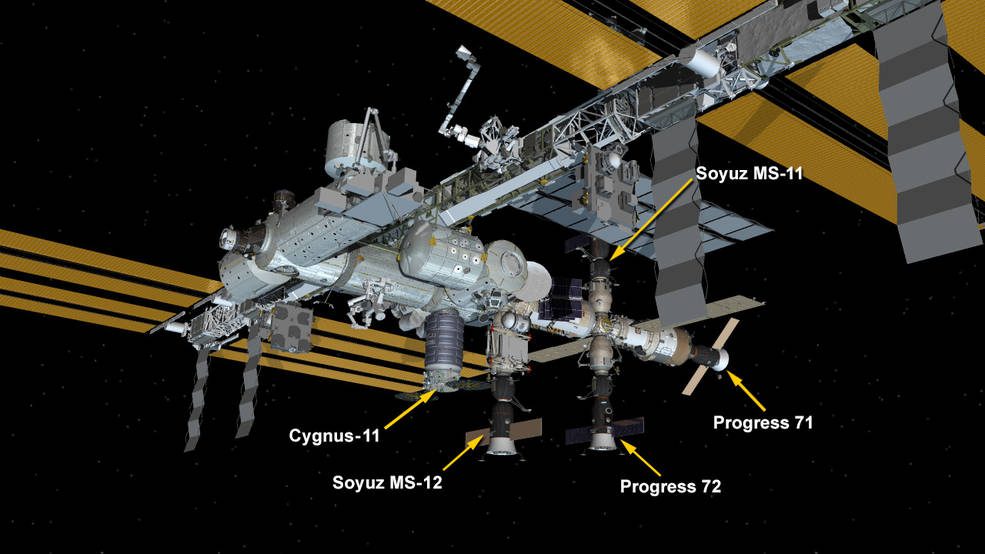
International Space Station Configuration. Five spaceships are docked at the space station including Northrop Grumman’s Cygnus space freighter and Russia’s Progress 71 and 72 resupply ships and the Soyuz MS-11 and MS-12 crew ships. NASA

The Cygnus spacecraft, built by Northrop Grumman, has rendezvoused with the International Space Station (ISS) as part of a months-long resupply mission.

Recommended Videos

The craft was launched from NASA’s Wallops Flight Facility in Virginia on 17th April at 4:46 p.m. ET. It was captured just under an hour later at 5:28 a.m. by Anne McClain of NASA and David Saint-Jacques of the Canadian Space Agency using the station’s robotic arm, and was firmly bolted to the station’s Unity module by 7:31 a.m.

The craft will remain docked at the station until July 23, while the crew take in the 7,600 pounds of research equipment it carried. The equipment is for a variety of science projects relevant to NASA research into future missions to the moon and to Mars.

One example of the science equipment now at the ISS includes materials for measuring the behavior of gels in a microgravity environment, which could be potentially useful for growing food here on Earth or for actually growing materials in space.

Another set of equipment will expand the capabilities of cellular and molecular biology experiments on the station. The Bio-Analyzer can be used by astronauts to quickly test bodily fluids from just a few drops of blood and saliva. The results can show information such as blood cell counts in a few hours as opposed to the much longer time previously which required the freezing of samples.

Further equipment will be used for testing the effect of space exposure on aging, especially looking at how weightlessness affects the aging of the blood vessels and heart. This is important for the long-term health of astronauts and for developing ways to address vascular aging on Earth. It is also known that time in space affects the immune system, so an animal study will learn more about this phenomena by testing the effects of spaceflight on the immune systems of rats.

Finally, a trio of mini robots called Astrobee will be tested to assist the crew. The robots move around using electric fans and sensors to navigate and can grasp onto rails and hold items in space, and can even operate autonomously.

All this equipment will allow a whole new range of research to take place aboard the ISS in the coming months and years.

Georgina Torbet
Georgina has been the space writer at Digital Trends space writer for six years, covering human space exploration, planetary…
This $249 LED sign wants to fix your work-life balance
My productivity isn't worth $249... or is it?
Flipper Busy Bar

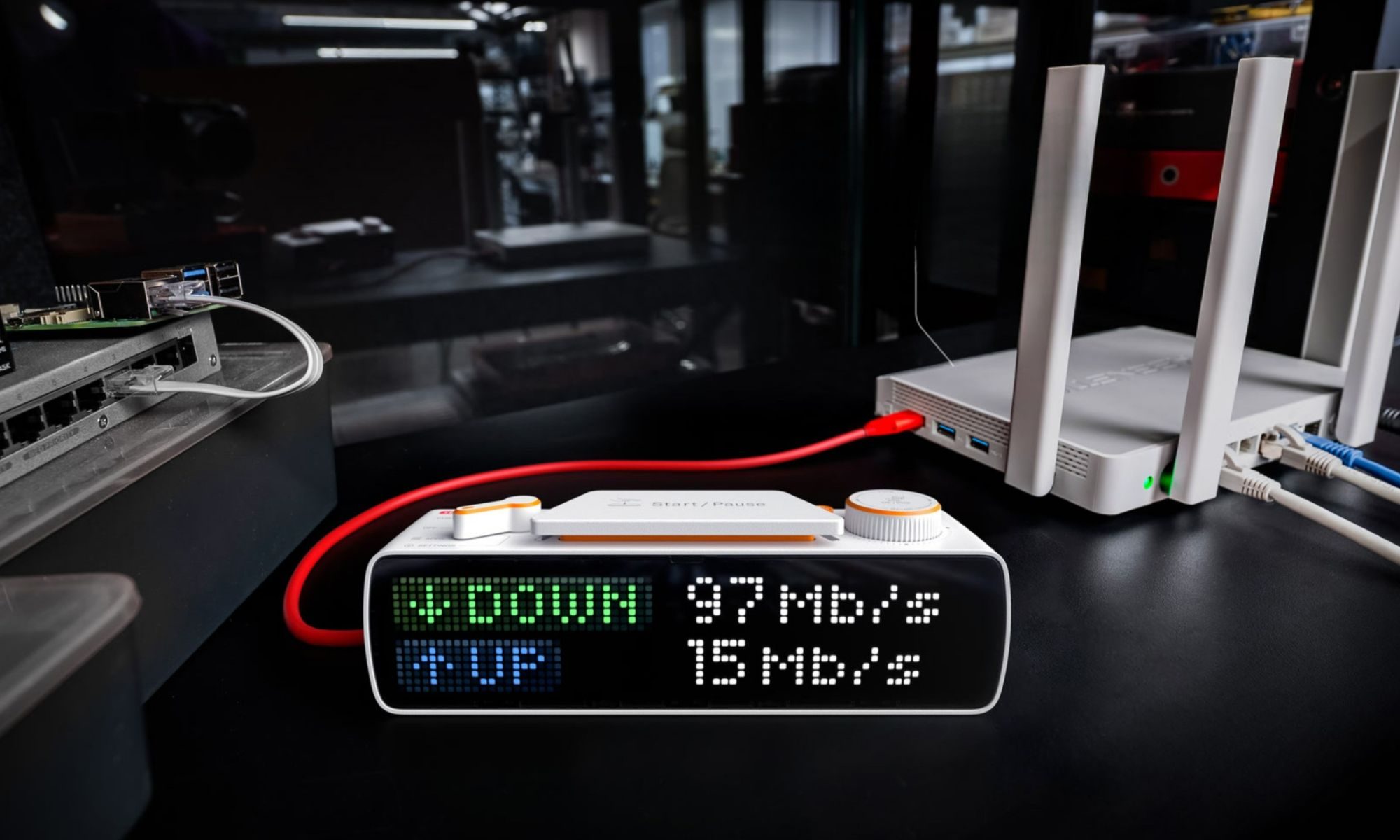
Flipper Devices has built a reputation among hackers and hardware enthusiasts with the Flipper Zero, a pocket-sized gadget capable of interacting with RFID, NFC, Bluetooth, and other wireless protocols. Now, the London-based company is taking a very different approach.

Its latest product, the Busy Bar, is a desktop productivity display designed to help users stay focused, signal their availability, and automate parts of their workflow. After being teased last year, the device is finally going on sale on July 14. While the concept is genuinely clever, its starting price of up to $249 may make many buyers think twice.

Read more
FAA clears the runway for Mach flights that could cut travel times nearly in half
New regulations could dramatically reduce travel times while keeping sonic booms under control.
Supersonic Flight Time

The dream of flying faster than the speed of sound just took a major step forward. The Federal Aviation Administration (FAA) has announced a proposed rule that would create the first noise-based certification standards for a new generation of supersonic passenger aircraft, removing one of the biggest regulatory hurdles standing in the way of commercial Mach 1+ flights.

The goal is simple: fly faster without the boom

Read more
NotebookLM’s 60-second videos turned my doomscrolling curse into something useful
Electronics, Mobile Phone, Phone

Short videos have taken over just about every app we use. You scroll through them on X, lose track of time on Instagram, watch them on YouTube, and now even Netflix has its own bite-sized feed. So when I heard that Google was bringing the format to NotebookLM, it felt both surprising and completely inevitable at the same time.

Google has announced Short Video Overviews for NotebookLM, a feature that turns dense documents and complicated sources into 60-second vertical videos that explain key ideas. Instead of staring at pages of notes, you get a quick visual walkthrough of the concept you're trying to understand.

Read more