Google Nest has made a commitment to being more eco-friendly. You can use Google Assistant to save energy around your home and keep the Earth clean while you’re at it. Last year, Google Nest announced integrations for Google Assistant with energy- and water-saving devices. The company also offered tips on how to cut down on your energy bill.
Rachio 3 and Flo by Moen
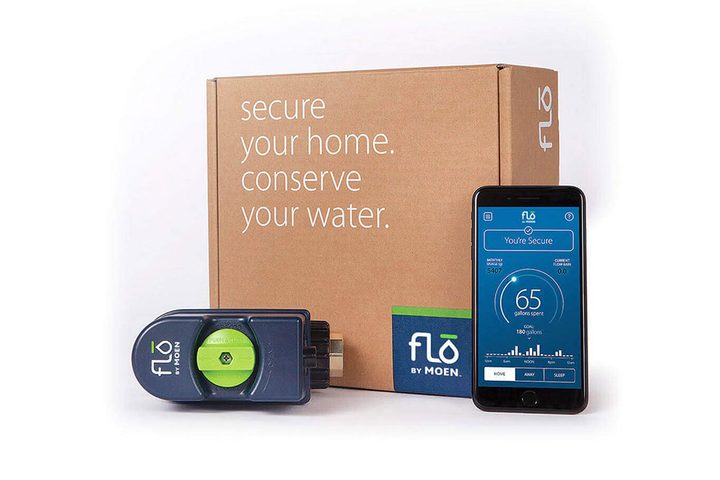
Google Assistant added support for the Rachio 3 Smart Sprinkler system, so you can manage your sprinklers with voice controls to prevent unnecessary water from going to waste. Google Assistant also supports Flo by Moen, a water monitoring and leak protection system. With the integration, you’ll be able to see your water usage and receive alerts when pipes start leaking.
Save on your electric bill
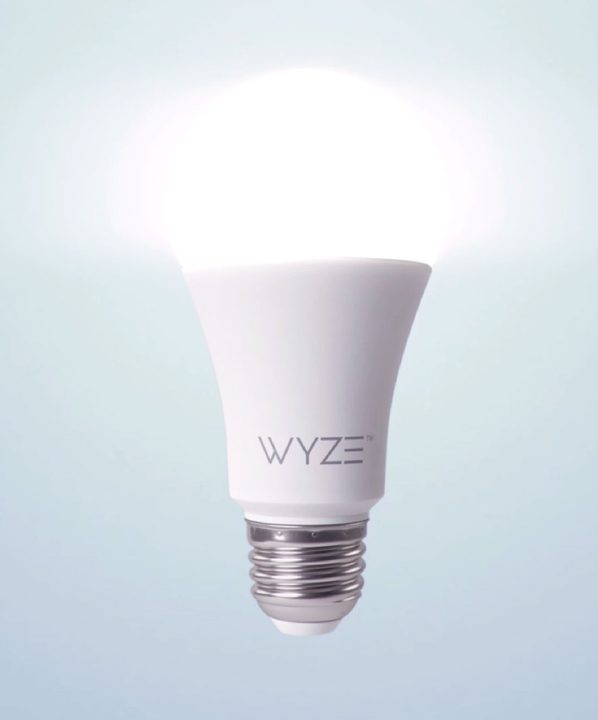
As for the devices you already have in your home, Google has some ideas for how you can use them more efficiently to save on your energy bill while taking some strain off the Earth, as well. To start, one of the simplest changes you can make is switching your light bulbs out for LEDs. Ditching just five incandescent bulbs can save up to $75 per year, and LEDs last much longer, so you’ll get those savings for years to come. You can even find Energy Star-certified LED bulbs like the Philips Hue that can be paired with Google Assistant. You can create routines and commands that make sure your lights are off and aren’t wasting electricity when you aren’t home.
Google also warns of “vampire voltage,” or the electricity that is drained from your appliances and devices even when they aren’t in use. Just having devices plugged in still uses energy — Google says home appliances consume up to 75% of their energy when not in use. To cut down, plug your appliances into power strips that can quickly be turned off when not in use. Smart outlets can also be set up with Google Assistant so you can turn them off remotely.
One of the best ways you can save money is by upgrading your thermostat. Smart thermostats can save people hundreds of dollars per year by intelligently monitoring and managing your home’s temperature. With a Nest Learning Thermostat, you can simply connect the device to Google Assistant and say, “Hey Google, set the thermostat to eco mode” to benefit from best practices and optimize your home’s energy efficiency. To help more people benefit from what Nest thermostats can provide, Google is pledging to bring the device to 1 million low-income families by 2023 as part of the Nest Power Project.
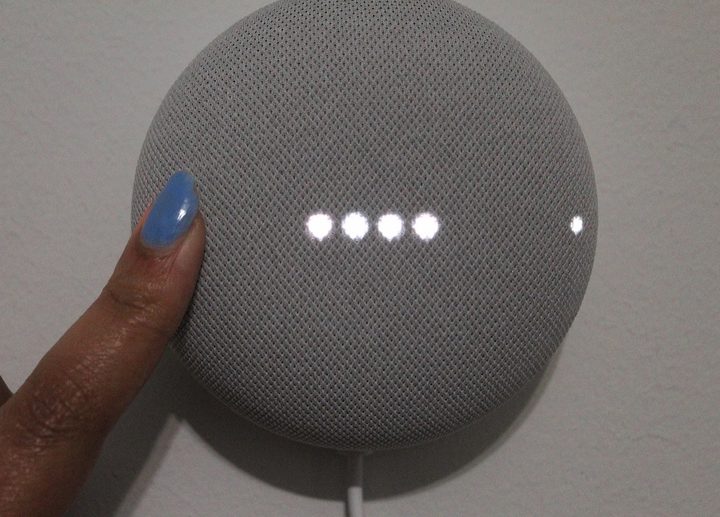
Opt for a Nest Mini 2nd Generation
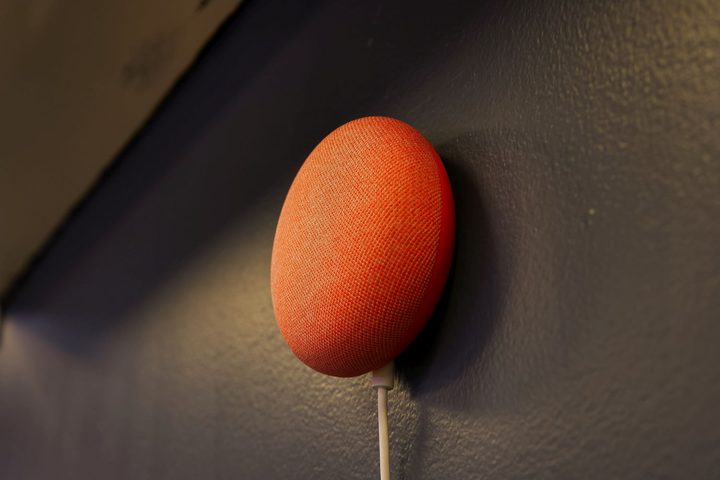
The fabric portion on the Nest Mini 2 is made from recycled plastic bottles. One plastic bottle contains enough plastic to cover two Nest Mini speakers. Additionally, 35% of the enclosure material is made from recycled materials. Google Nest announced a $150 million investment in renewable energy products, and the company continues to focus on sustainability initiatives. On the Google store website it says, “100% of Made by Google products launching in 2022 and every year after will include recycled materials, with a drive to maximize recycled content wherever possible.”
Ask Google Assistant for information about Earth Day and recycling
Google Assistant can give you facts about Earth Day, information about local recycling facilities, and information on how to recycle and reuse products in your home. Just say, “OK Google, find recycling near me,” or “OK Google, how do I recycle?”