1. Home
  2. Emerging Tech
  3. Cars
  4. News

Japanese taxis will use facial recognition to target you with ads as you ride

Add as a preferred source on Google

In the age of Ubers, we’re quite used to our taxis knowing who we are. But we might not be ready for them to identify us in the way that a new Japanese startup is aiming for. Spotted recently by Google privacy engineer Rosa Golijan, Premium Taxi Vision uses facial recognition technology to identify the key characteristics (age, gender, etc.) of riders and then present them with appropriate ads.

On the plus side, the concept theoretically means that, as with any kind of modern tech-driven advertising, you won’t get shown ads that aren’t intended for you. The downside is that you’ll still get bombarded with ads while being ferried around — and privacy proponents (and a whole lot of other people) most likely aren’t going to be too happy about being targeted with facial recognition technology.

Recommended Videos

When Digital Trends reached out to Premium Taxi Vision, it said that the optimized ad delivery service has not been launched yet. “We have created the functionality to determine certain characteristics from photographs of passengers for potential future optimized ad delivery,” a spokesperson said. “However, at this moment this functionality has not been activated and ad content is not being personalized.”

🤨 pic.twitter.com/uXWOUXz25S

— Rosa (@rosa) April 20, 2019

“We do not have much we can share at the moment about the details of the technology or our future plans,” the spokesperson continued. “We can share that the technology for determining passenger characteristics is from another company, but cannot share more detail than that.”

Finally, they stressed that the handling of private and personal information is extremely important to the company and that it will abide by relevant guidelines formulated by the Japanese Ministry of Internal Affairs and Communications and the Ministry of Economy, Trade, and Industry. Users will also have the ability to turn off the screens during transit.

In all, it’s an interesting concept, and we’ll be intrigued to see how it plays out. While certainly containing elements of Black Mirror, Premium Taxi Vision is far from alone in its use of facial recognition technology. Similar tech has been used by retailers for everything from advertising to security.

Personally, we’d like to see if there was some way to pass the benefits on to customers, though. Forget about just getting customized ads, we’d be far more on board if taxis were offering free or reduced transport in exchange for watching them!

Luke Dormehl
I'm a UK-based tech writer covering Cool Tech at Digital Trends. I've also written for Fast Company, Wired, the Guardian…
Yet another study says AI is bad for elections, and the rabbit hole gets worse
AI may be an election bomb waiting for someone to light the fuse
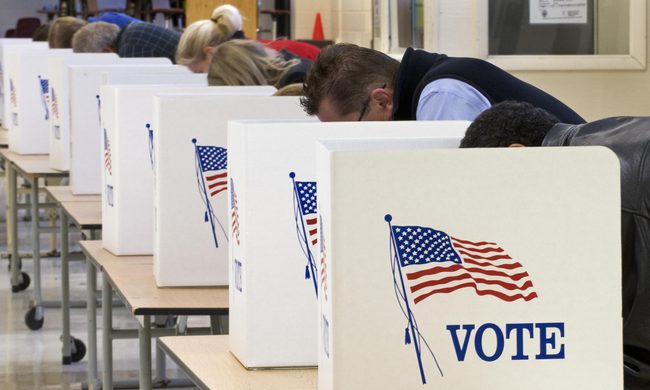
Voters cast their ballots on Election Day

Another election, another study has concluded that asking an AI chatbot for political guidance is a spectacularly bad idea. Research conducted during Hungary’s 2026 parliamentary election found that ChatGPT and Google Gemini offered not just inaccurate but also inconsistent and unreliable voting advice. The chatbots misclassified voter profiles, overlooked relevant parties, recommended parties absent from the ballot, and sometimes produced materially different answers when given the same information repeatedly.

AI keeps failing the voter test

Read more
Samsung’s humanoid robot ambitions are real, but factories come first
Samsung’s new robotics division has humanoids in its sights, although its immediate business is far more practical factory automation
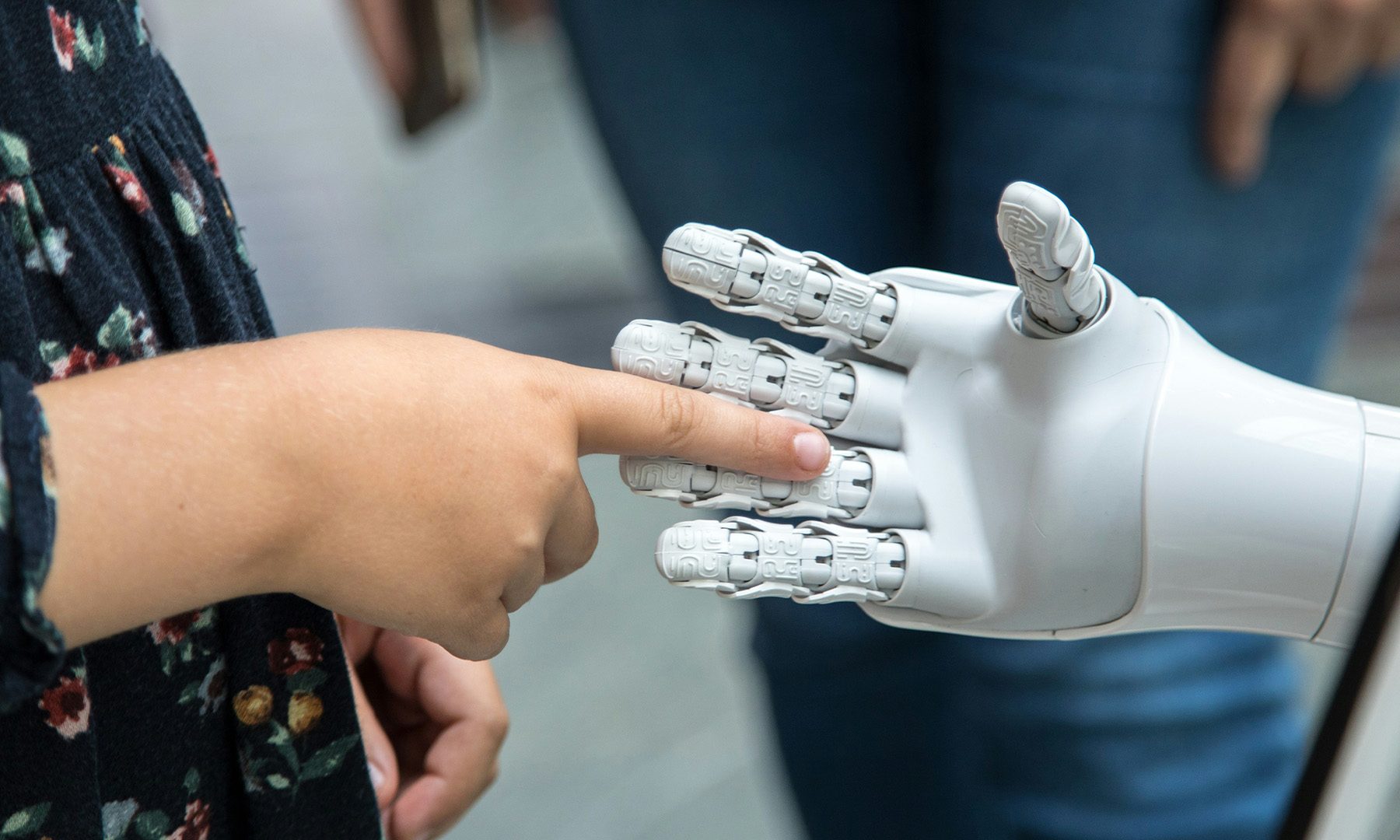
Robot Touch Human Finger

Samsung wants a place in the humanoid race, but its new robotics push begins with machines built for factories rather than homes.

The CEO-led RX robotics division will initially focus on manufacturing robots. Samsung has separately identified humanoids as a priority, although it hasn’t announced a commercial model or explained where one fits into the division’s immediate plans.

Read more
The future of AI may depend on this one behind-the-scenes change
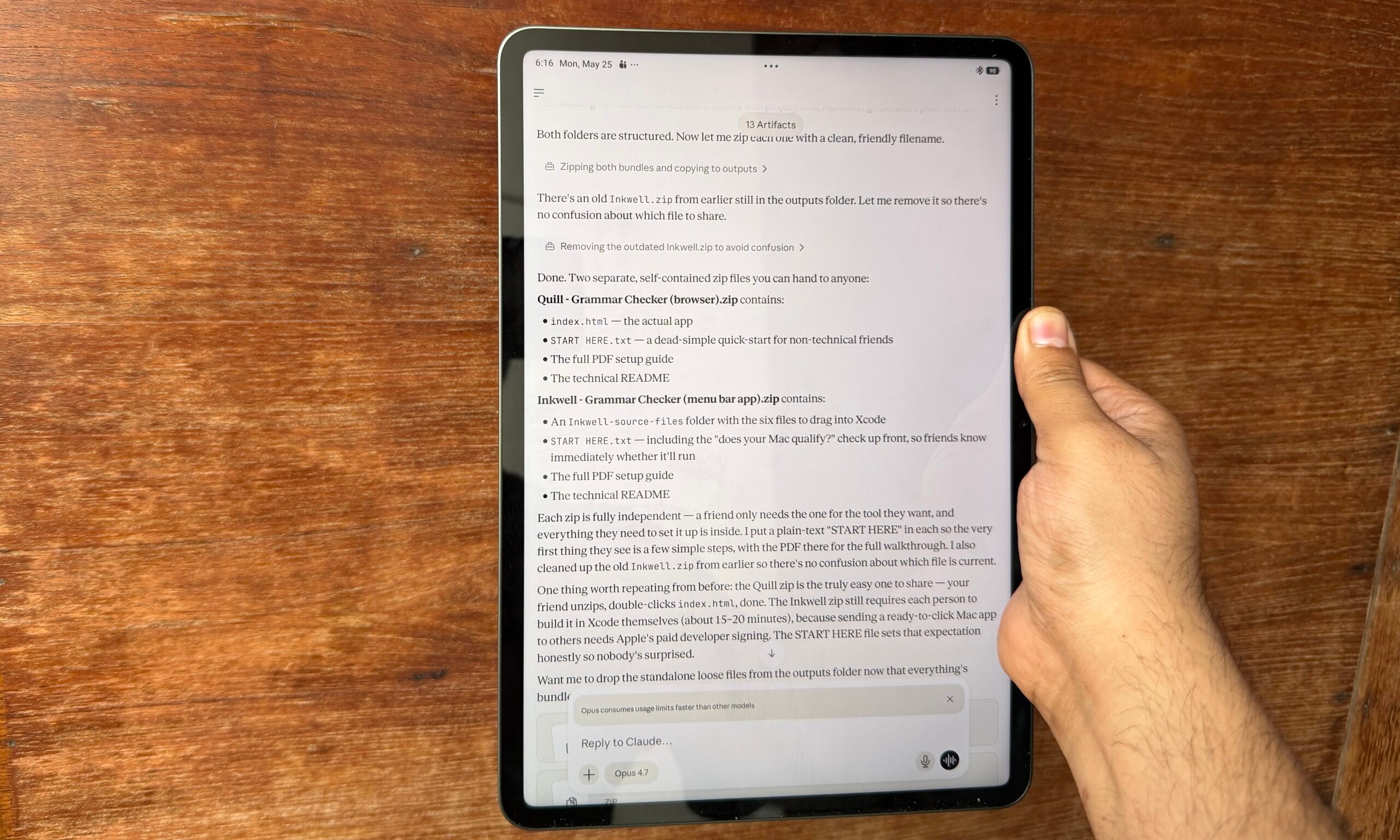
Running Claude on Android.

Whenever a new AI model arrives, it's easy to get caught up in the bells and whistles. We talk about how much smarter it is, how quickly it answers questions, or how realistic its images have become. But here's the thing: none of that matters much if the AI can't reliably work with the apps and services people use every day.

That's why an upcoming update to the Model Context Protocol (MCP) caught my attention. It isn't a new chatbot or a fancy AI model. In fact, most people will never even know it's happening. But it could quietly make the AI ecosystem a lot healthier. If you've never heard of MCP before, don't worry. Think of it as a shared language that lets AI assistants safely talk to apps like Gmail, Slack, calendars, databases, and countless other services. Instead of every company inventing its own way to make those connections, MCP gives everyone a common rulebook.

Read more