Volkswagen is preparing to ramp up production of electric cars, and that means it will need a lot of batteries. But the German automaker may be in the midst of reshuffling its battery suppliers, according to a new report. VW is preparing to redistribute 50 billion euros ($56 billion) in funding earmarked for batteries over concerns that a supply deal with Samsung might unravel, Automotive News reports, citing anonymous sources familiar with the matter.
Samsung initially agreed to supply 20 gigawatt hours worth of batteries, enough to power 200,000 cars with 100-kilowatt-hour battery packs (the kind that gives a Tesla Model S or Model X over 300 miles of range), according to Automotive News. But Samsung and VW began to disagree on production volumes on scheduling during negotiations for the deal, and the amount of batteries was eventually cut to less than 5 GWh.
“Samsung continues to be our battery cell supplier for Europe,” VW told Automotive News in an emailed statement. Samsung declined to comment to the publication.
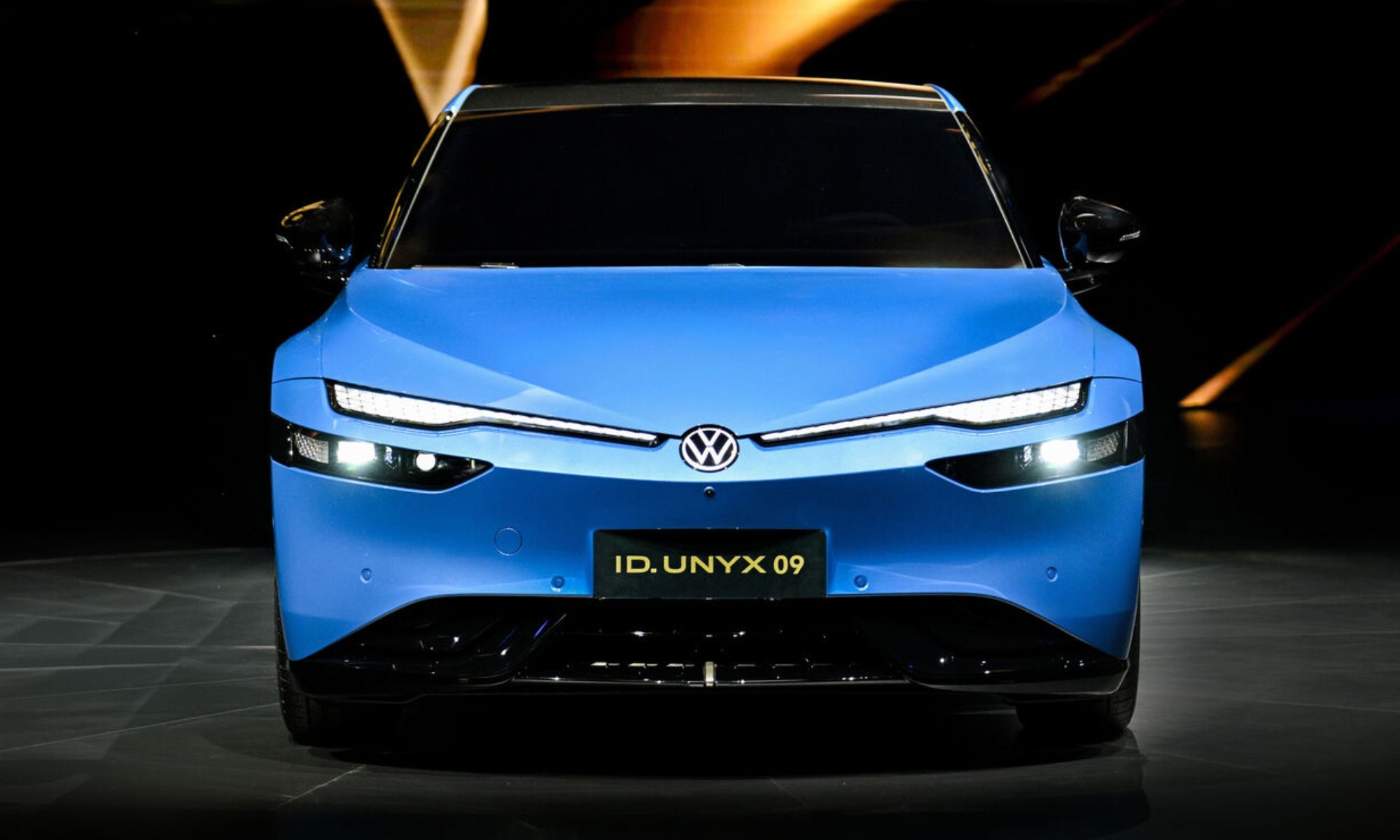
Volkswagen needs a large amount of batteries to power a growing lineup of electric cars. The German automaker is launching a new line of battery-powered models, starting with the ID.3 hatchback in Europe, and hopes to be building 1 million a year by 2025. VW-owned Audi and Porsche are launching their own electric cars as well. By 2028, Volkswagen expects to have 70 all-electric models on sale across multiple brands, although not all of them will be available in the United States. One model already confirmed for the U.S. is a production version of the I.D. Buzz concept, a modern reimagining of the classic VW Microbus.
Other automakers have announced similarly ambitious plans. In addition to all-electric cars, automakers are also planning to sell more hybrid cars, which use the same lithium-ion batteries, albeit in smaller amounts. Automakers feel this is necessary to meet stricter emissions standards, but it will likely lead to fierce competition over a finite supply of batteries.
Lithium-ion batteries are made only by a handful of companies, and bottlenecks in production and the supply of raw materials mean volumes can’t be instantly cranked up to meet automakers’ demands. Even with its massive Nevada “Gigafactory,” Tesla struggled to ramp up production of its mass-market Model 3, and has even taken to blaming battery supplier Panasonic for the delays.
Volkswagen picked LG Chem, Samsung, and SK Innovation as its battery suppliers for Europe, along with Contemporary Amperex Technology Limited (CATL) for China. It later added SK Innovation as a supplier for North America beginning in 2022, but the company is now being sued in the U.S. by LG Chem over alleged theft of trade secrets. SK Innovation denied those claims. VW plans to build some electric cars at its Chattanooga, Tennessee, plant, which currently builds gasoline models.