  1. Home
  2. Emerging Tech
  3. News

Jupiter’s magnetic field simulated on Earth using CERN high-energy electron beam

Add as a preferred source on Google

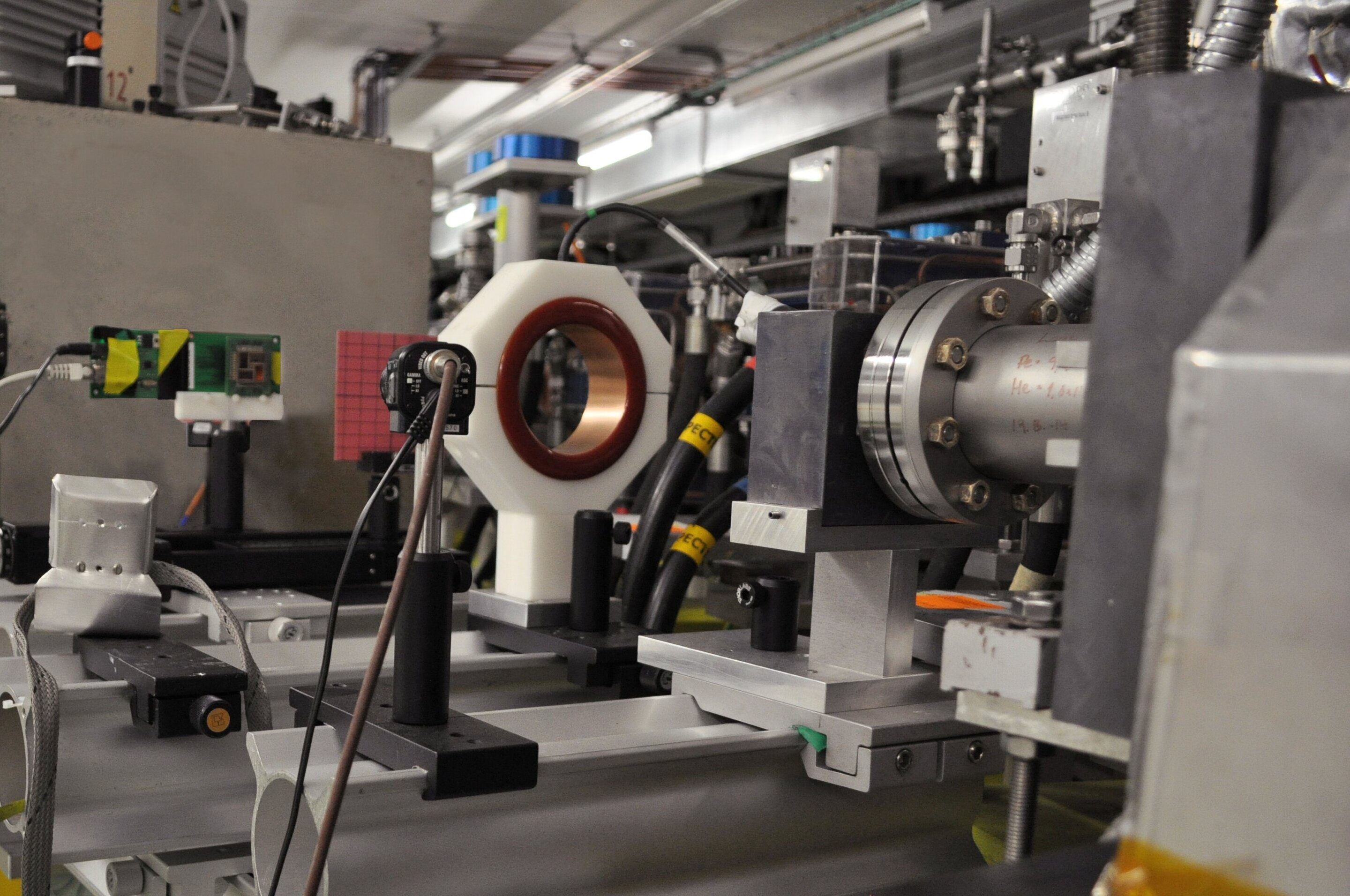
The test facility at CERN used to simulate the high-radiation environment surrounding Jupiter. CERN

The European Organization for Nuclear Research, or CERN, is most famous for its particle collider, but it also has facilities that can test for other high-energy environments similar to those found in space. Now those facilities are being used to test future spacecraft to see if they are radiation-proof.

Recommended Videos

The European Space Agency (ESA) will launch the Jupiter Icy Moons Explorer, or JUICE, mission in 2022. Before then, ESA scientists wanted to know what kinds of environmental stresses the explorer will be subjected to when it braves Jupiter’s massive magnetic field. The magnetic field has a volume of a million times that of Earth’s magnetosphere, and trapped within the field are energetic charged particles. These particles form radiation belts which bombard visiting craft with high levels of radiation, which can be harmful to electronics.

To see how the JUICE hardware will handle this radiation, the ESA has borrowed the world’s most intense radiation beam — one located at a CERN facility called VESPER (Very energetic Electron facility for Space Planetary Exploration missions in harsh Radiative environments). Now it is working alongside CERN to develop the testing protocol for other future missions too, such as the proposed Ice Giants mission to Neptune and Uranus.

“The radiation environment that CERN is working with within its tunnels and experimental areas is very close to what we have in space,” Véronique Ferlet-Cavrois, Head of ESA’s Power Systems, EMC & Space Environment Division, explained in a statement. “The underlying physics of the interaction between particles and components is the same, so it makes sense to share knowledge of components, design rules, and simulation tools. Plus access to CERN facilities allows us to simulate the kind of high-energy electrons and cosmic rays found in space.”

As well as offering its facilities, CERN will also collaborate with the ESA to develop components for the testing process, creating hardware which can withstand radiation.

The radiation testing isn’t only for probes like JUICE, however. Another important consideration is how space radiation affects astronauts who pass through radiation belts closer to Earth, as Petteri Nieminen, head of ESA’s Space Environments and Effects, explained: “The ability to simulate cosmic rays benefits a huge number of missions… it is also a huge interest for human spaceflight and exploration to study radiobiology effects of heavy ion cosmic rays on astronaut DNA.”


Georgina Torbet
Georgina has been the space writer at Digital Trends space writer for six years, covering human space exploration, planetary…
Yet another study says AI is bad for elections, and the rabbit hole gets worse
AI may be an election bomb waiting for someone to light the fuse
Voters cast their ballots on Election Day

Another election, another study has concluded that asking an AI chatbot for political guidance is a spectacularly bad idea. Research conducted during Hungary’s 2026 parliamentary election found that ChatGPT and Google Gemini offered not just inaccurate but also inconsistent and unreliable voting advice. The chatbots misclassified voter profiles, overlooked relevant parties, recommended parties absent from the ballot, and sometimes produced materially different answers when given the same information repeatedly.

AI keeps failing the voter test

Read more
Samsung’s humanoid robot ambitions are real, but factories come first
Samsung’s new robotics division has humanoids in its sights, although its immediate business is far more practical factory automation
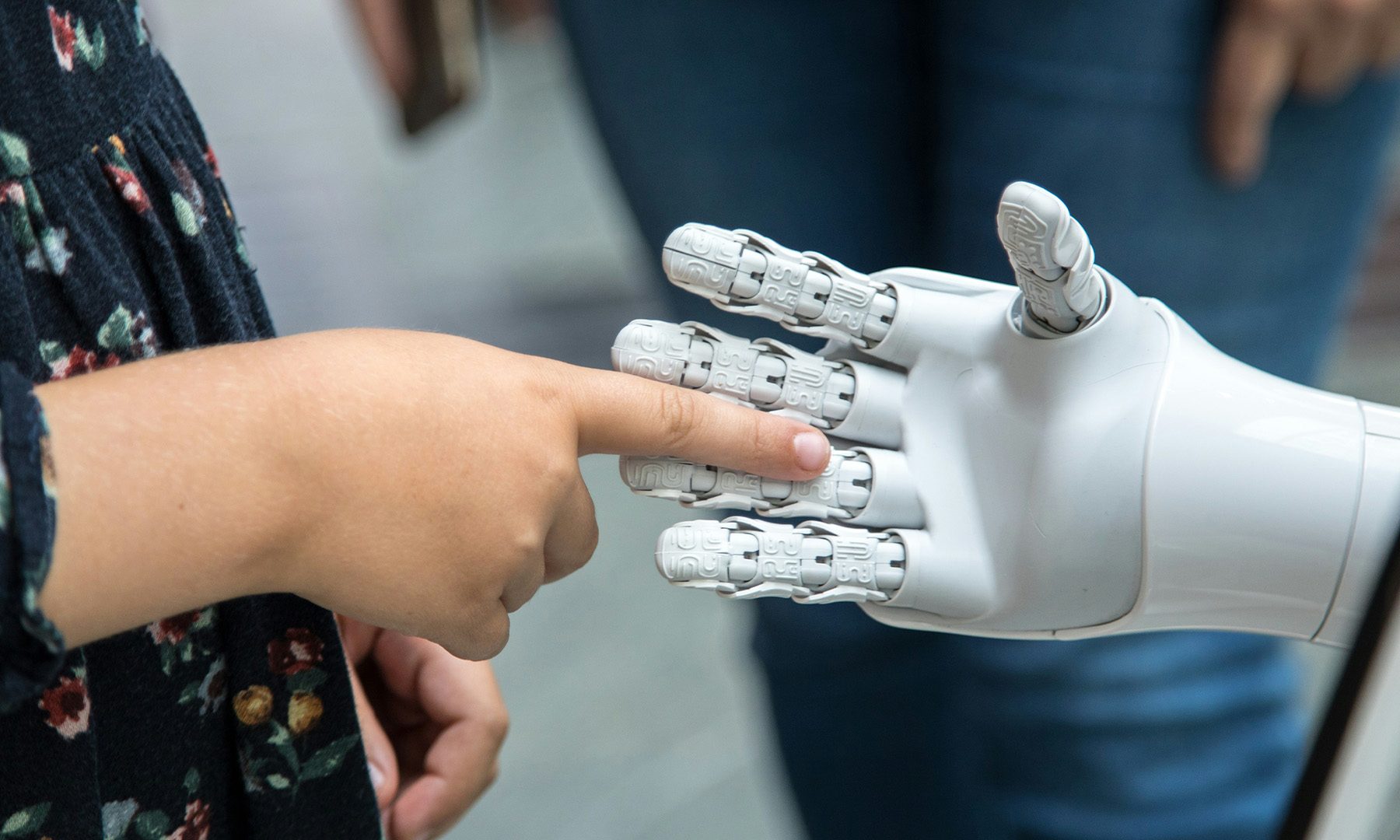
Robot Touch Human Finger

Samsung wants a place in the humanoid race, but its new robotics push begins with machines built for factories rather than homes.

The CEO-led RX robotics division will initially focus on manufacturing robots. Samsung has separately identified humanoids as a priority, although it hasn’t announced a commercial model or explained where one fits into the division’s immediate plans.

Read more
The future of AI may depend on this one behind-the-scenes change
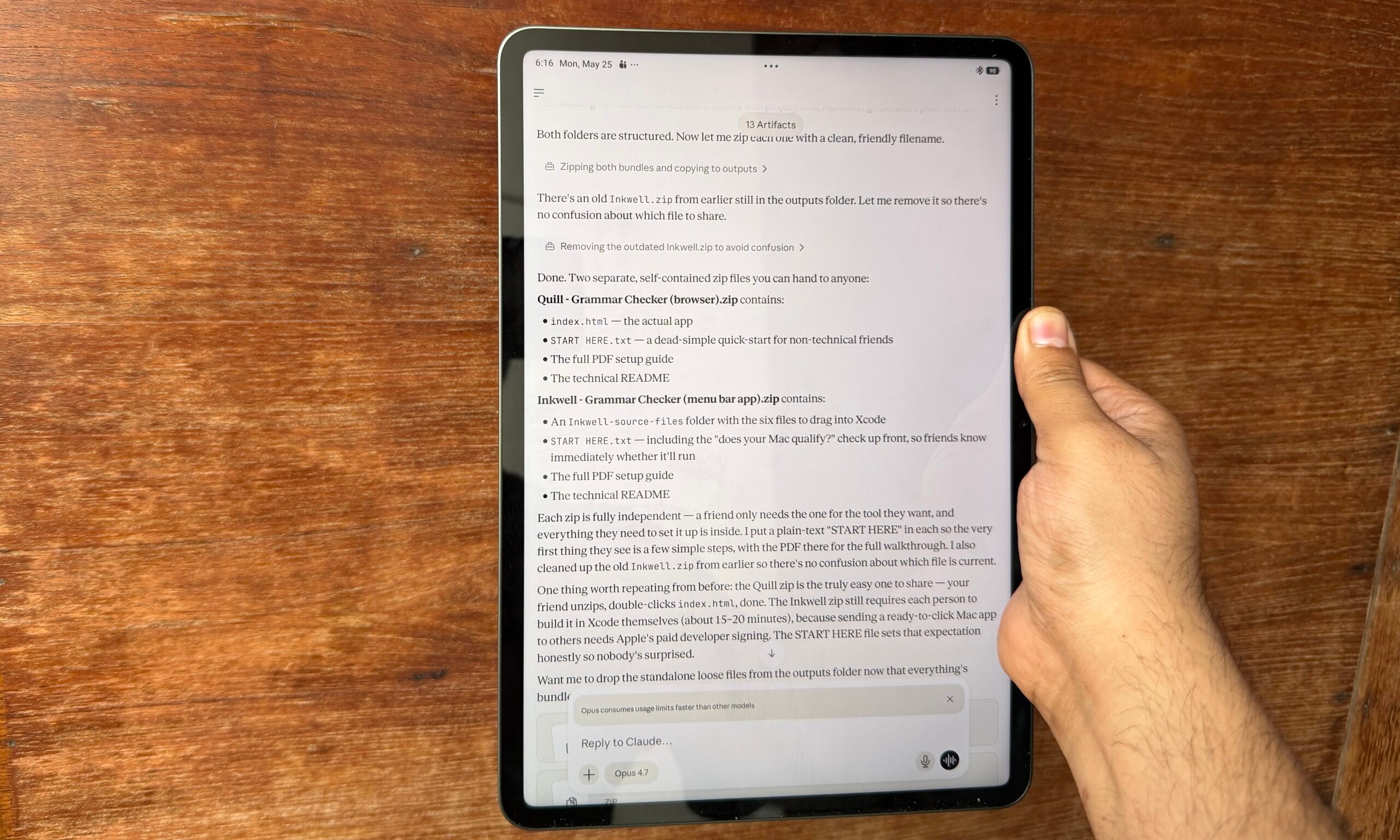
Running Claude on Android.

Whenever a new AI model arrives, it's easy to get caught up in the bells and whistles. We talk about how much smarter it is, how quickly it answers questions, or how realistic its images have become. But here's the thing: none of that matters much if the AI can't reliably work with the apps and services people use every day.

That's why an upcoming update to the Model Context Protocol (MCP) caught my attention. It isn't a new chatbot or a fancy AI model. In fact, most people will never even know it's happening. But it could quietly make the AI ecosystem a lot healthier. If you've never heard of MCP before, don't worry. Think of it as a shared language that lets AI assistants safely talk to apps like Gmail, Slack, calendars, databases, and countless other services. Instead of every company inventing its own way to make those connections, MCP gives everyone a common rulebook.

Read more