1. Home
  2. Emerging Tech
  3. News

Robot helps a surgeon carry out world’s first long-distance heart operations

Add as a preferred source on Google
Workflow with CorPath GRX

You’re a patient about to undergo heart surgery, but the surgeon performing the procedure hasn’t turned up at the hospital and, in fact, is still 20 miles away at the time that the operation is due to be carried out. A nightmare scenario? Not at all, if it’s anything like a recently reported world’s-first procedure carried out by a surgeon in India.

Recommended Videos

Using a robot called the CorPath GRX, created by a company named Corindus, five patients were the recipients of the first remote. long-distance heart surgery. The robot was controlled using a workstation with multiple joysticks, which allowed the surgeon to control the robot in real time while getting visual feedback in the form of livestreaming video showing what it was seeing. The procedure performed was something called (PCI), in which a small structure called a stent is used to open blood vessels in the heart that have been narrowed by plaque buildup.

According to a report in The Lancet, “Five patients with single, type A coronary artery lesions treatable by PCI consented to participate. The primary endpoint was procedural success with no major adverse cardiac events (MACE) before discharge … The primary endpoint was achieved in 100% of patients. No procedural complications or adverse events occurred, and all patients were discharged the following day without MACE. The operator scores were favorable, with the operators rating the procedure as equivalent to an in-lab procedure.”

The demonstration was actually carried out last year, although it has taken until now for news to be made public, presumably to allow for the patients to be monitored over the long term to confirm that they responded well to the treatment. However, the time since then has not been wasted. Corindus has used it to perform several remote tests in the U.S. as it continues to work toward its goal of expanding telemedicine to treat patients throughout remote and under-served parts of the world.

This isn’t the first time that robots have been used in the operating room. The world’s first robot-aided operation, a brain biopsy, was carried out in 1985. Since then, robots have been used in thousands of procedures — although never across such long distances. Last year, Digital Trends wrote about an operation carried out at the University of Pennsylvania School of Medicine involving the world’s first robot-assisted spinal surgery. That complex procedure utilized cutting-edge robotic arms to remove a tumor from a 27-year-old patient’s neck, via his mouth.


Luke Dormehl
I'm a UK-based tech writer covering Cool Tech at Digital Trends. I've also written for Fast Company, Wired, the Guardian…
Yet another study says AI is bad for elections, and the rabbit hole gets worse
AI may be an election bomb waiting for someone to light the fuse
Voters cast their ballots on Election Day

Another election, another study has concluded that asking an AI chatbot for political guidance is a spectacularly bad idea. Research conducted during Hungary’s 2026 parliamentary election found that ChatGPT and Google Gemini offered not just inaccurate but also inconsistent and unreliable voting advice. The chatbots misclassified voter profiles, overlooked relevant parties, recommended parties absent from the ballot, and sometimes produced materially different answers when given the same information repeatedly.

AI keeps failing the voter test

Read more
Samsung’s humanoid robot ambitions are real, but factories come first
Samsung’s new robotics division has humanoids in its sights, although its immediate business is far more practical factory automation
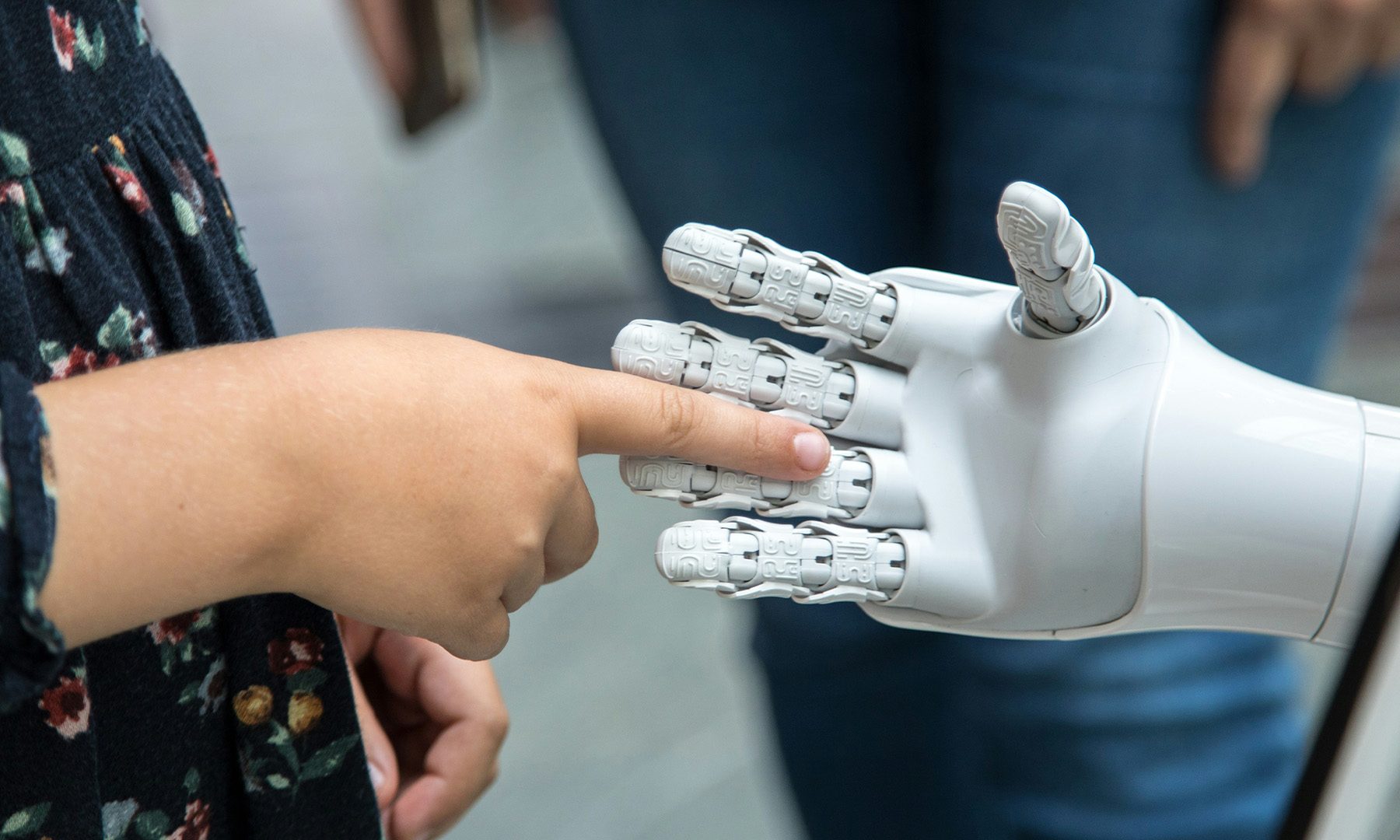
Robot Touch Human Finger

Samsung wants a place in the humanoid race, but its new robotics push begins with machines built for factories rather than homes.

The CEO-led RX robotics division will initially focus on manufacturing robots. Samsung has separately identified humanoids as a priority, although it hasn’t announced a commercial model or explained where one fits into the division’s immediate plans.

Read more
The future of AI may depend on this one behind-the-scenes change
Running Claude on Android.

Whenever a new AI model arrives, it's easy to get caught up in the bells and whistles. We talk about how much smarter it is, how quickly it answers questions, or how realistic its images have become. But here's the thing: none of that matters much if the AI can't reliably work with the apps and services people use every day.

That's why an upcoming update to the Model Context Protocol (MCP) caught my attention. It isn't a new chatbot or a fancy AI model. In fact, most people will never even know it's happening. But it could quietly make the AI ecosystem a lot healthier. If you've never heard of MCP before, don't worry. Think of it as a shared language that lets AI assistants safely talk to apps like Gmail, Slack, calendars, databases, and countless other services. Instead of every company inventing its own way to make those connections, MCP gives everyone a common rulebook.

Read more