1. Home
  2. Cars
  3. News

Self-driving cars are an extremely tough problem. This mini-game shows you why

Add as a preferred source on Google

As we navigate into the 21st century, great innovations promised by Star Trek and Marty McFly are starting to become reality. Transporters and self-tying shoes aside, ask any daily commuter what they want, and they will say autonomous cars.

Imagine heading into the office sipping your coffee and reading the paper at 65 miles per hour while Alexa or Google drives your car. Well, that future could still be a little further away than people think. The Washington Post just released a very interesting online simulator showcasing how difficult a problem full Level 5 Autonomy truly is.

Recommended Videos

As the simulator nicely outlines, autonomous cars work by using sensors located all over the car. These sensors, comprised of radar, lidar and cameras, feed dozens of gigabytes of data into a central computer, every minute. This can locate your vehicle down to the centimeter. Currently, computer developer Nvidia has one that can perform at this speed.

Despite all these sensors and data, self-driving cars still face a lot of obstacles and development work before they can become reliable enough to be commonplace. Basically, they have trouble seeing and hearing. In daylight, a human can see four times better than the current technology.

Sensors have trouble discerning a pedestrian from a bicycle. Some have had trouble seeing stopped vehicles in the road. Others cannot discern animals smaller than a moose quickly enough. Large objects alongside you on the road, like a motor home, can effect line of sight and cause sensor blind spots.

We are asking a lot of a machine to be able to react and make split-second decisions like a human being. The ongoing chess game that is navigating our roadways is constantly changing.

These issues will be overcome in time, but another issue may confound your dream of catching 40 winks on the interstate. Currently, 40 states have different regulations regarding autonomous vehicles. The federal government is not regulating testing currently, which could make for decades of waiting before there is a framework of how to regulate this technology.

John Elkin
Former Digital Trends Contributor
Worked for many off road and rally and sports car publications throughout the 1980s and 1990s. Decided to go look for a…
A new sodium battery posts wild four-minute charging numbers, but don’t expect it in an EV yet
The breakthrough could improve fast charging and battery life, but the study hasn’t demonstrated those results in a production-sized pack
EV Charger

A new sodium-metal battery has posted a charging number that makes today’s EVs look painfully slow. In laboratory testing, the cell operated at a 15C rate, equivalent to completing a charge or discharge in roughly four minutes.

That doesn’t mean researchers plugged in an electric car and watched it fill up before the driver finished buying coffee. The result came from a small experimental cell using a new quasi-solid electrolyte, while the larger pouch-cell prototype delivered far less dramatic performance.

Read more
The Apple Car may be dead, but it became the foundation of Apple Intelligence
A decade of work on a canceled car project reportedly laid the groundwork for Apple Intelligence.
Apple Intelligence in Apple Car

The Apple Car may have never left the garage, but it apparently gave birth to Apple's AI ambitions. According to Bloomberg's Mark Gurman, Apple's canceled autonomous vehicle project, one that consumed more than a decade of work and over $10 billion before being scrapped in 2024, ended up laying the technological foundation for Apple Intelligence. In a rather ironic twist, one of Apple's most expensive failures may also become one of its most important long-term investments.

The Apple Car forced Apple to think like an AI company

Read more
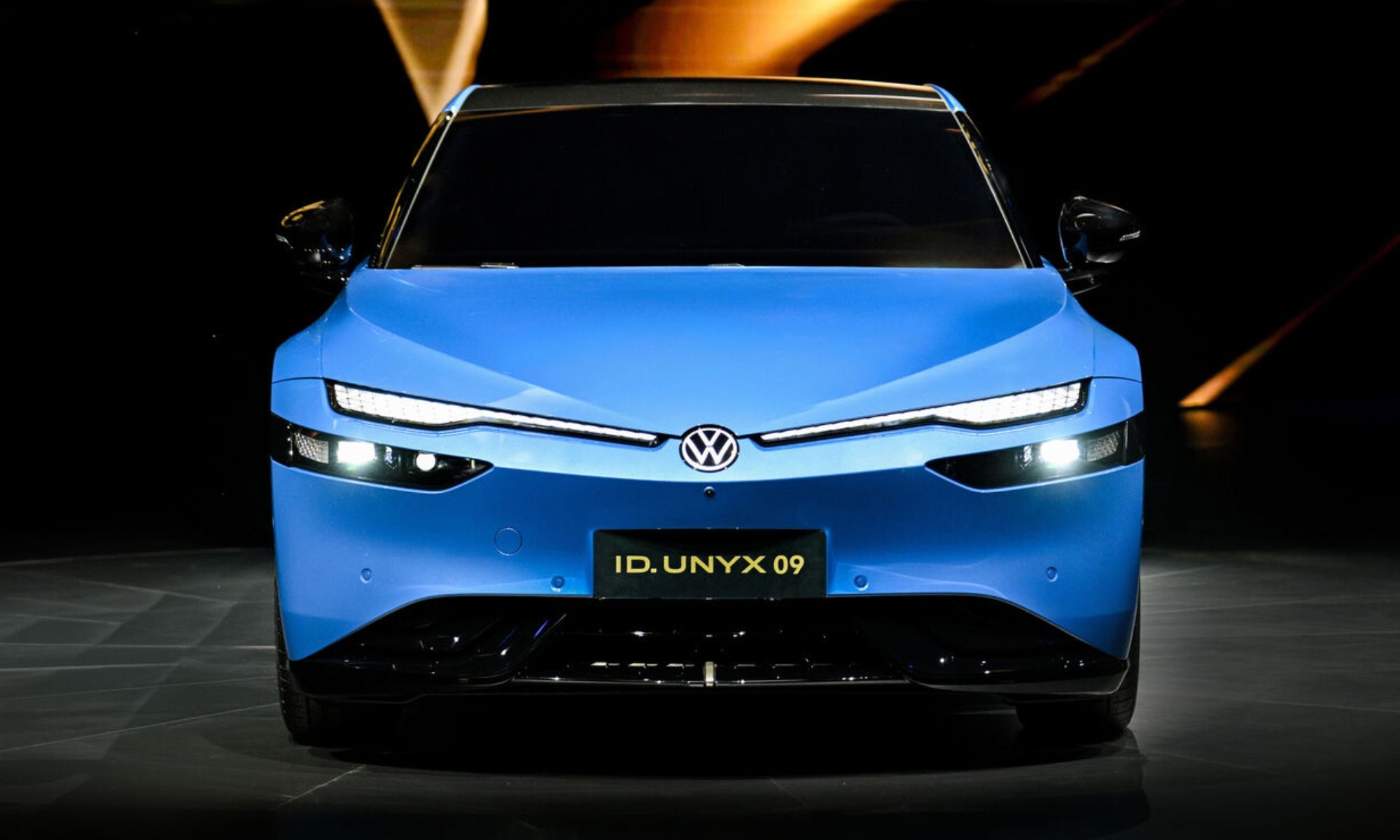
Volkswagen’s ID. Unyx 09 just leaked, and it’s the kind of EV I want to see in the US
VW's partnership with Xpeng is producing exactly what we hoped.
Bumper, Transportation, Vehicle

I've been watching Volkswagen's China lineup quietly get cooler for the past two years, but the ID. Unyx 09 might be the moment it finally gets exciting, not just for Chinese buyers, but for the rest of the world as well. 

Regulatory filings from China's Ministry of Industry and Information Technology, Batch 409, have exposed the full specs of the upcoming sedan ahead of its official launch later this year, and it looks nothing like any VW car I've seen before (via CarNewsChina).

Read more