1. Home
  2. Phones
  3. Mobile
  4. News

Next year’s new iPhone could look just like the iPhone 4

Add as a preferred source on Google

Even though the next-generation iPhone 11 was released less than a week ago, people are already looking to the future designs for Apple’s iconic phone — and it’s looking like it could be a blast from the past. 

TF Securities analyst Ming-Chi Kuo — who is something of an oracle when it comes to iPhone predictions — says there are likely “significant changes” coming to the next iPhone, particularly to its metal frame. It could be very similar to previous iPhones, according to CNBC.

Recommended Videos

“The surface of the metal frame will change to be flat instead of the current curved surface, which is similar to the design of the iPhone 4′s metal frame,” Kuo said in a report released Wednesday
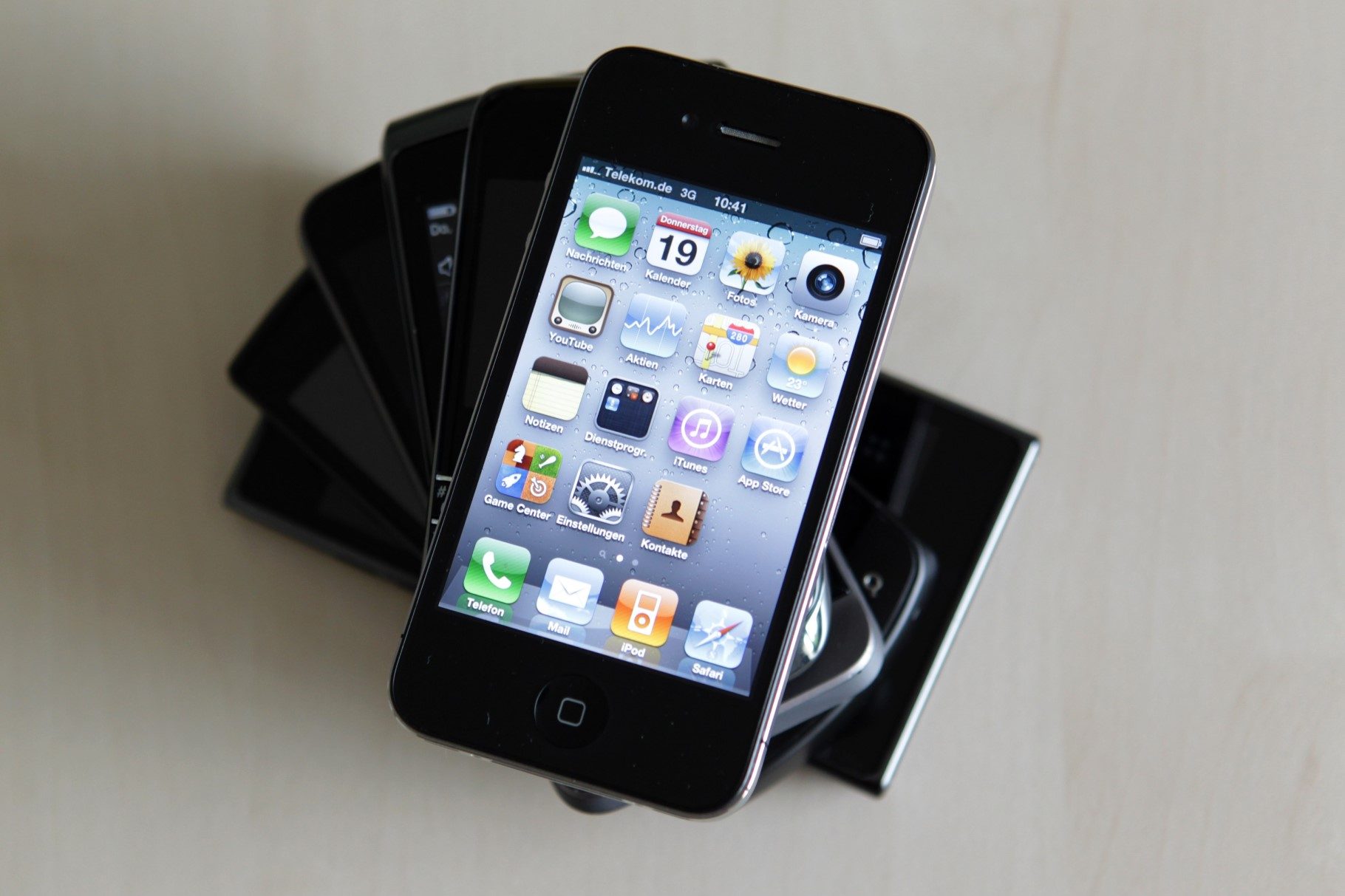
Apple iPhone 4
The classic Apple iPhone 4. Getty Images

Recent iPhone designs have a curved edge, but if you remember the iPhone 4, that phone had straight edges on the sides. Kuo said that the new design would be a selling point for next year’s iPhones and predicts a boost in sales for 2020. 

While it’s not a huge deal that we could go from curved edges to straight edges again, it’s interesting to see how Apple will alter the iPhone in order to support 5G network connections as networks begin to roll out 5G capabilities. The iPhone 11, iPhone 11 Pro, and iPhone 11 Pro Max weren’t released with 5G, but analysts expect Apple to embrace 5G in 2020.

The iPhone’s overall design hasn’t changed too much since its debut in 2007, but Apple has added or subtracted certain features to keep up with the modern needs of users. From the removal of the home button and getting rid of the headphone jack to a thinner body thanks to high-end OLED screens, the iPhone is still a rectangular, touch screen smartphone. 

We’ve seen iPhone’s change in color, too: From the first generation that was plain black, to the iPhone 3 that introduced white, to the iPhone 5 that left us with gold and silver finishing. There’s also 2018’s iPhone XR, which comes in orange, yellow, red, and blue.

Digital Trends reached out to Apple to comment on these design speculations. We’ll update this story if we hear back. 

Allison Matyus
Former Digital Trends Contributor
Allison Matyus is a general news reporter at Digital Trends. She covers any and all tech news, including issues around social…
Samsung’s new AI assistant wants to explain what your health data actually means
Your Galaxy Watch collects the clues. Samsung Health Assistant connects the dots.
Samsung Health data screen.

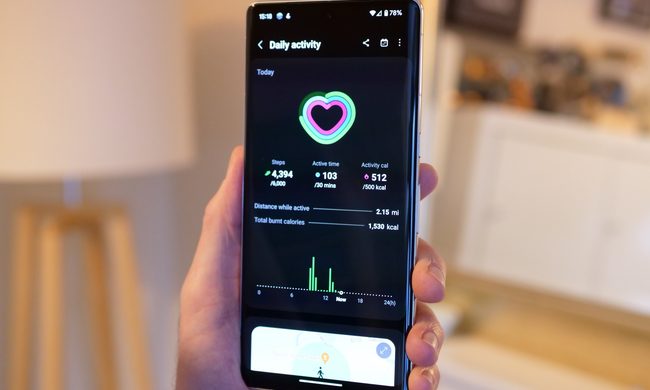
Samsung Health is getting smarter than ever before with its new AI assistant. The Samsung Health Assistant is now available in beta to eligible users in the United States. Built directly into Samsung Health, the conversational assistant can analyze information collected across the app and answer personalized questions about the user’s health and wellness.

Your health charts talk back now

Read more
Apple’s next big iPhone display experiment could be its biggest yet
The company may be testing a 6.96-inch panel for a future flagship, although one leaker’s post is currently the only source for the exact measurement
iPhone 17 Pro Max

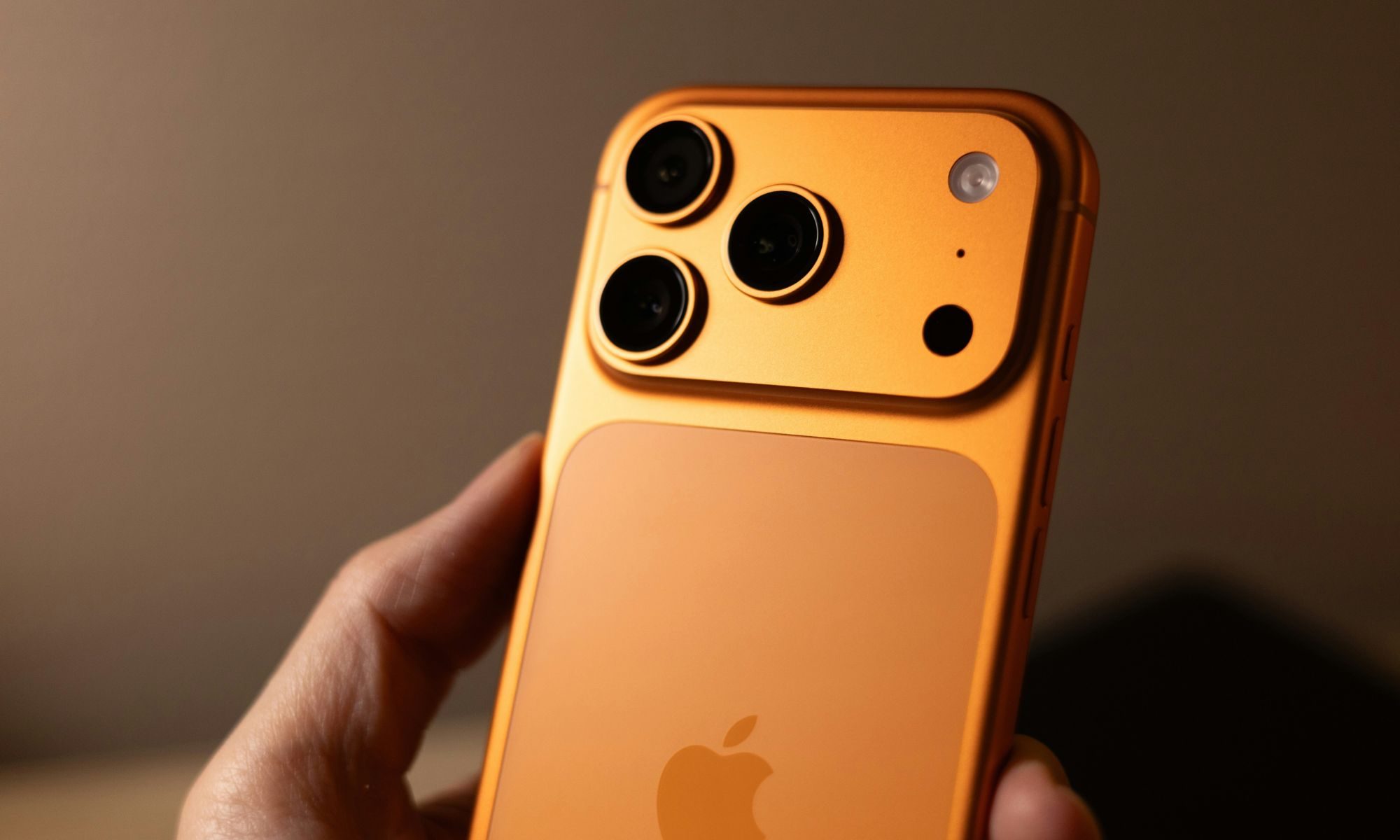
Apple may be testing a 6.96-inch display for a future iPhone, bringing its largest handset within a whisker of the 7-inch mark.

Leaker Digital Chat Station claims the experimental panel retains the same aspect ratio as Apple’s current Pro Max display. The post mentions the iPhone 20 Pro Max as a possible destination, but doesn’t connect the screen to a finished device. Apple could be exploring the size without putting it anywhere near a production line.

Read more
Vibecoded apps are flooding Apple’s App Store, and users are getting sick of them
App Store submissions have doubled this year as AI tools make it easier than ever to build an app, but downloads haven't kept pace, and for good reason.
Apple App Store homepage on an iPhone

Apple's App Store is in the middle of its steepest submission surge in years. Developers submitted nearly 600,000 new apps last year, marking a 30 percent jump over the previous year. That number has already doubled to roughly 560,000 new apps in just the first six months of this year, according to estimates from analytics firm Sensor Tower cited by the New York Times. The reason behind the spike is vibecoding, which allows people with no prior development experience to create new apps using AI tools.

A familiar boom, with a twist

Read more