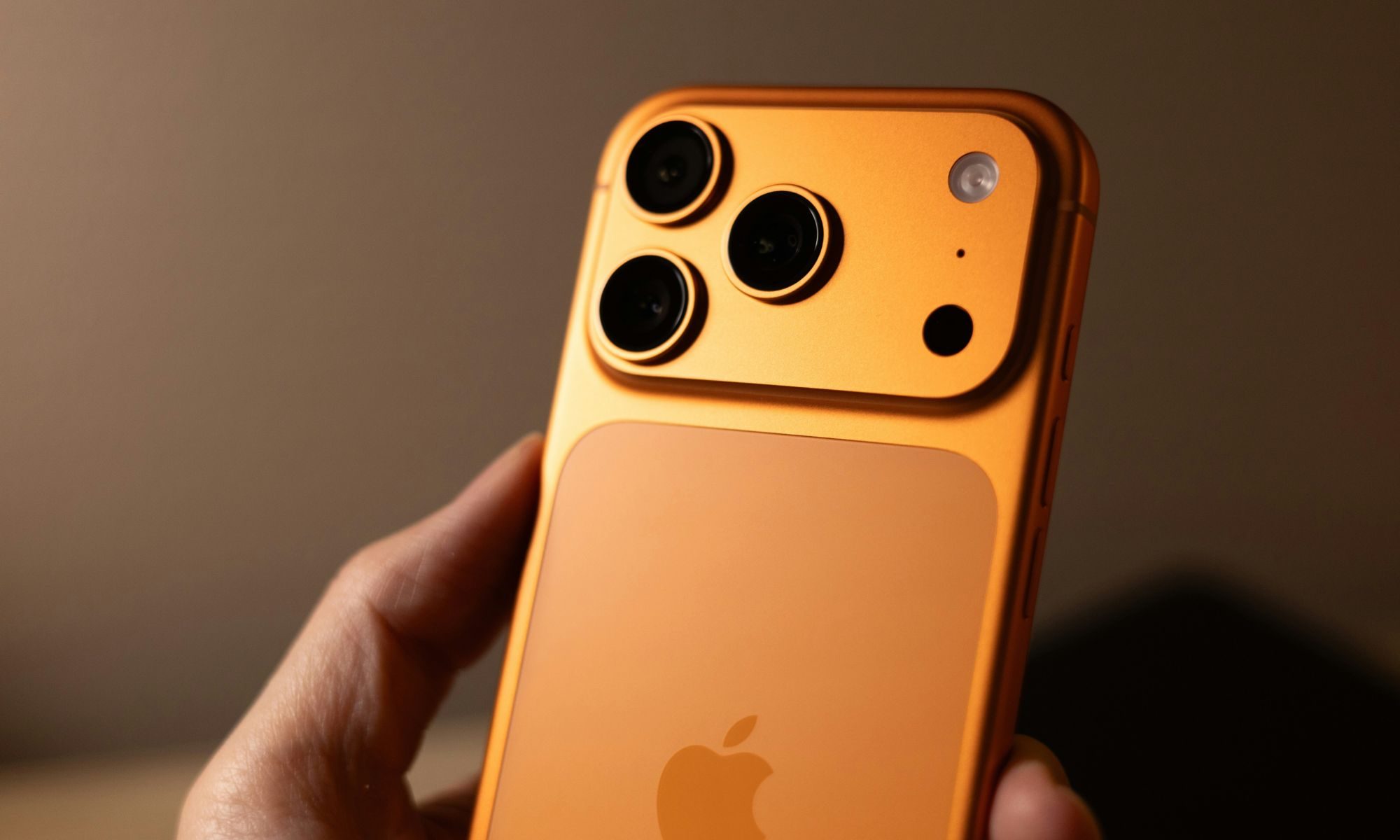
Apple announced a full lineup of three new iPhones at Tuesday’s ‘By Innovation Only’ event, with faster processors, better cameras, and even speedier performance on LTE networks. But there’s one thing you won’t see on the iPhone 11, the iPhone 11 Pro, and the iPhone 11 Pro Max: 5G support.
The lack of 5G puts the newest iPhone squarely behind its competitors in the near term, especially for high-performing flagship, the iPhone 11 Pro. For the earliest adopters, this is disappointing. But a variety of factors contributed to 5G being a no-show, and why Apple appears to be sitting this round out. Is it that big of an issue at this point? Probably not.
Legal issues
Apple and Qualcomm, its long-time primary chip supplier, were embroiled in multi-year litigation in several countries up until early this year. Here in the U.S., Apple sued the company for $1 billion. In China, it filed a $145 million lawsuit. Apple was pursuing legal action in other countries, challenging Qualcomm’s rights to charge heightened royalties for the use of its technology in its lawsuits worldwide. But overall, things weren’t going so well, and it lost its cases in both China and Germany by early this year.
Its back against the wall, Apple settled with Qualcomm in April, with both sides agreeing to drop all litigation and Apple agreeing to a six-year worldwide licensing agreement.
But the bitter battle caused Apple to turn away from Qualcomm. 2018 iPhones used Intel’s chips, and Apple planned 5G phones with Intel’s chips as well. But 5G chips from Intel were running into all sorts of delays and did not perform as well as equivalent Qualcomm chips. The settlement had to happen, or Apple would have risked being even further behind.
Development with Intel’s technology will take time
Apple’s settlement didn’t stop it from continuing to pursue a life without Qualcomm, though. Just two months after settling, Apple made big waves by purchasing Intel’s modem business in July — employees, intellectual property, and all. It was clear what Apple was trying to do: make its own chips.
But Apple essentially bought a dormant business. Intel clearly hoped the potential of a massive cash infusion from Apple would give it a reason to press ahead through its 5G troubles. With Apple settling and turning back to Qualcomm (and others dropping Intel 5G chips from their plans), there wasn’t much reason to continue.

Intel announced its exit from 5G modem development within hours of the settlement, citing “no clear path to profitability and positive returns.” With development halted and no product shipping, Apple needs to decide whether to try and fix whatever’s gone wrong with Intel’s 5G development, or start anew. We assume the latter is more likely.
Either option will take time though, potentially years. It’s far too late to put an Apple/Intel 5G chip in a 2019 iPhone, and potentially a 2020 iPhone, also. With the Qualcomm agreement, Apple has up to eight years (the contract has an option for a two-year extension) to figure it out. Knowing Apple, it will take far less time than that.
Unreliable 5G service
While 5G is all the rage right now, the technology is still very much in its infancy. In our tests of the limited rollouts of 5G so far, we’ve struggled to find 5G service that doesn’t drop out from one city block to another. It’s not a great experience, and it’s especially frustrating after you experience the difference in throughput.
Apple has shown a willingness over the years to wait it out in situations like this where technologies have yet to prove themselves (remember, the first-generation iPhone didn’t support 3G). The company is all about the experience, and with 5G service so spotty right now, it makes sense that Apple’s not interested in putting it in an iPhone in the near term.
It won’t stay like this for very long. By the time the 2020 iPhone debuts, 5G networks in urban areas may be quite robust. Verizon and AT&T both have committed to mmWave deployments in dozens of US cities by the end of next year, with the combined T-Mobile/Sprint aiming for a “nationwide rollout” of 5G by the end of 2020.
So while you might have a 5G phone in your hand right now, chances are you aren’t on 5G unless you spend your time in highly urbanized areas. 5G’s not ready for prime time just yet. Plus, there’s no “killer app” just yet that makes 5G truly useful. Apple and any other phone manufacturer have some time before 5G is truly a must-have.
It will take time for reliable 5G networks to be set up, due to their scale and the technology used. Add regulatory hurdles to the difficulty in building out a 5G network, too. Many municipalities have only now started to adjust their ordinances to allow for the “micro towers” 5G technologies like mmWave require, especially in suburban and rural areas.
Are Apple customers missing out on anything by not having 5G in the next iPhone? Probably not. But this will change by September 2020.
The 2020 iPhone needs 5G
While 5G isn’t all that useful now, things will undoubtedly change quickly over the next several months. Some of the nation’s largest cities will likely have reliable 5G service by the end of next year. Depending on how far along the Sprint/T-Mobile merger is, some suburban locations outside of these cities may have substantial coverage too. By the time the iPhone 12 (or whatever it’s called) debuts, the difference in speed between 5G and non-5G phones will be far more noticeable, and not just when you’re walking down a busy New York street.
There’s also the issue of price. 5G phones are outrageous right now. Apple gets criticized regularly for helping push prices of smartphones across the industry above the $1,000 price point. 5G is far more expensive to build into phones than LTE right now. Combined with spotty coverage, this is the reason why many phone manufacturers have LTE and 5G versions of their flagship phones. Who wants to spend $1,300 on a phone? Not many people. Just imagine what a 5G iPhone would cost consumers in 2019 with the “Apple Tax” included.
But this will change. Qualcomm, now really the only game in town, is producing cheaper 5G chipsets — something it just announced this past week. In theory, Apple should be able to create a 5G iPhone in 2020 that wouldn’t cost much more if any than the upcoming iPhone 11. Other companies will be able to produce cheaper 5G phones, thanks to these cheaper chips. The pressure will most certainly be on to add 5G support, and most certainly not just for the top-end iPhones, either.
With the iPhone XS already a capable smartphone, there’s no reason why you can’t hold off until 2020 on that upgrade.