
Verizon 5G is here, and the idea of a widespread 5th-gen mobile network is becoming less of a concept and more of a reality. It’s not all that interesting of a reality just yet, but it’s getting there. T-Mobile was the first to launch its nationwide 5G network, but Verizon soon followed suit, and now T-Mobile, AT&T, and Verizon all offer large networks based on Sub-6 5G and enhanced by mmWave spectrum (more on these later).
But wait, what is 5G, anyway? The fifth generation of wireless networks, or 5G technology, has been nearly a decade in the making, and it’s finally becoming a reality. Promising dramatically faster speeds, instantaneous communication, and the ability to network everything, 5G has incredible potential. A limited rollout of Verizon 5G began in select cities in 2018, and 5G started appearing in cities around the U.S. in 2019. Nationwide networks popped up in 2020, and now, in 2021, we’re expecting them to rapidly expand.
Are you a Verizon customer, or planning to be one? Here’s everything we know about Verizon’s 5G network.
Verizon 5G network coverage map
You can take a look at our 5G coverage map to see where coverage is available in the U.S. Verizon’s 5G network coverage specifically is made up of two different kinds of 5G: Sub-6 and mmWave. The basic gist of the difference is this: Sub-6 networks are slower, but can travel long distances and through obstacles, while mmWave offers extremely fast 5G speeds but can’t travel far at all.
Verizon’s 5G Ultra Wideband Service focused on its mmWave coverage early on, and the result is that T-Mobile, which instead started with its attention to Sub-6, was the first to roll out nationwide 5G coverage. Since then, however, Verizon has followed suit, and now offers a nationwide 5G network that isn’t as big as T-Mobile’s but still is pretty large.
Now that the nationwide network has launched, you should expect it to expand, and for Verizon to continue to deploy mmWave — which it calls “UWB” — in highly populated areas. Speeds and coverage on mmWave will vary widely depending on how many people are connected to the network and if there are any obstacles nearby, but Verizon has regularly offered 2Gbps download speeds. Verizon’s mmWave network is now available in over 70 cities, and that will grow over time. In fact, Verizon says that it will expand its mmWave cells, from around 14,000 to 30,000, by the end of this year.
On the Sub-6 “nationwide” network, which is what you’ll be connected to 99% of the time, you’ll still get pretty fast speeds. For now, you should expect up to around 200Mbps to 300Mbps download speeds, which is plenty robust for most tasks.
Verizon 5G phone plans
Initially, Verizon charged extra for 5G service on its plans, but now it has simply rolled 5G coverage into its standard plans — and rightfully so. Now it’s one of the best 5G phone plans available.
Verizon offers a huge range of plans that take advantage of its 5G networks. The most popular Verizon 5G plans are the Unlimited plans, and there are four of them.
The first is the Start Unlimited plan, which costs $70 for one line, and ranges down to $30 per line for five lines or more. On this plan, you’ll get unlimited talk, text, and data, as well as six months of Disney+, six months of Apple Music, and six months of Discovery+. Notably missing is Verizon’s 5G Ultra Wideband connectivity. In other words, with Start Unlimited, you won’t be able to connect to Verizon’s mmWave cells, but given how spotty and unreliable those are anyway, it shouldn’t matter.
Next up is Play More Unlimited, which adds the 5G Ultra Wideband network connectivity, as well as a full subscription to Disney+, Hulu, ESPN+, and Discovery+ for 12 months. You’ll still get Apple Music for six months, and this plan also adds unlimited use of a mobile 5G hot spot, with 15GB of 5G or 4G LTE hot spot access, after which you’ll be throttled to 3G. Play More Unlimited costs $80 for one line, or $40 per line for five lines or more.

Then there’s Do More Unlimited, which actually reverts to the six-month subscriptions of the Start Unlimited plan, but gives you 50% off Unlimited connected devices and 600GB of Verizon cloud storage. You’ll get the same hot spot access as Play More Unlimited. Do More Unlimited starts at $80 for one line, and ranges down to $40 per line for five lines or more.
Last but not least among the unlimited plans is Get More Unlimited, which basically offers everything. You’ll get full Disney+, Hulu, and ESPN+ access, full Apple Music access, Discovery+ for 12 months, 50% off Unlimited connected devices, and 600GB of Verizon cloud storage. You’ll also get 30GB of 5G/4G LTE hot spot access instead of 15GB. The Get More Unlimited plan costs $90 for one line, or as little as $50 per line for five lines or more.
Verizon’s Shared Data plans also connect to Verizon 5G, and start at $55 for 5GB, and range up depending on the number of lines and amount of data you want.
Verizon’s prepaid plans also offer 5G — but only if you get the Unlimited prepaid plan, which costs $75 per month.
Verizon 5G phones available
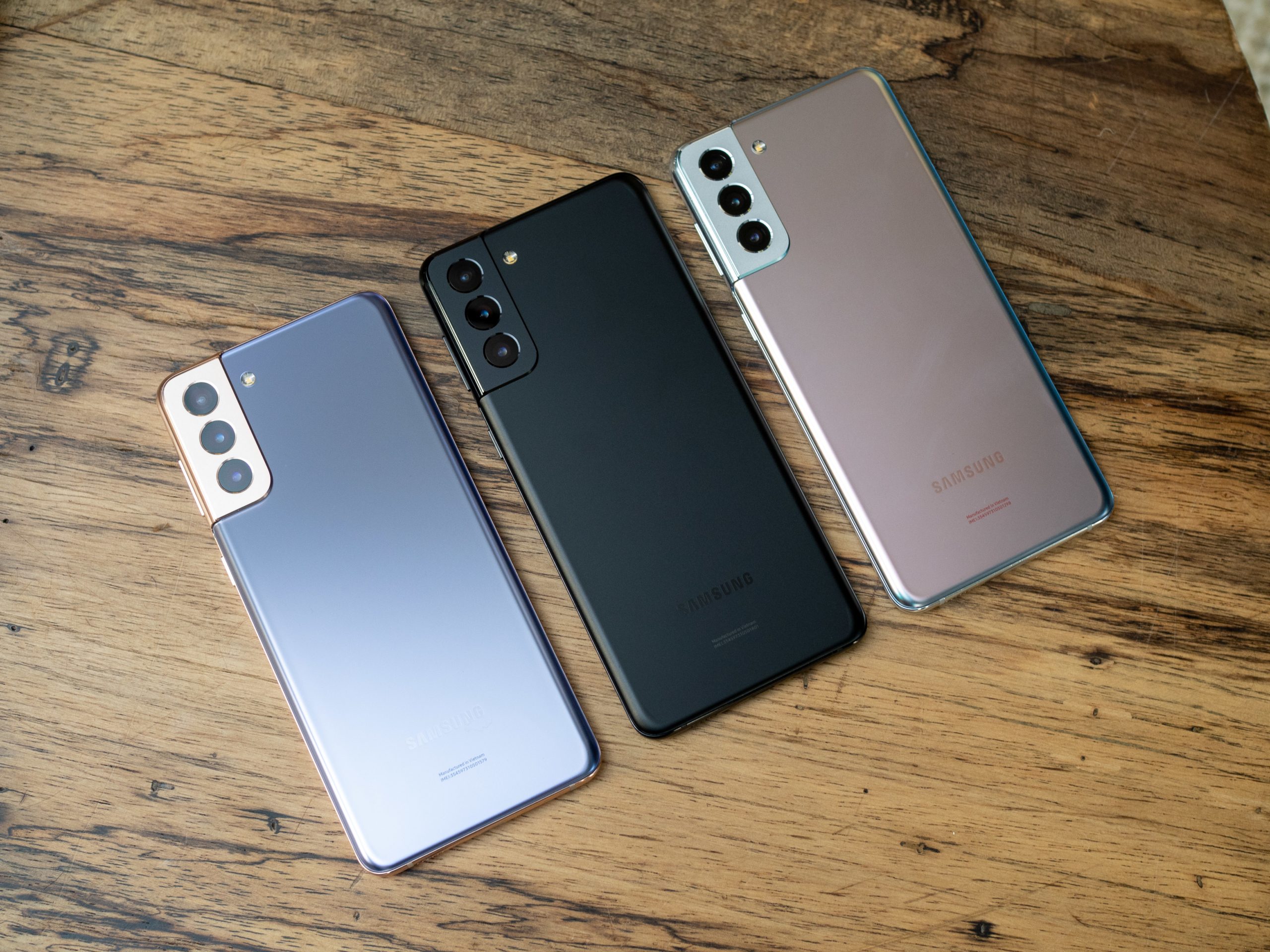
Most of the high-end phones that Verizon offers can connect to 5G networks, and that should continue as more of the best 5G phones are released. If you’re a Verizon customer who buys a 5G smartphone that costs over $500, you should be good to go. You can take a look at our list of a few great Verizon 5G phones:
- Apple iPhone 12 – $800 ($33.33 per month)
- Apple iPhone 12 Pro – $1,000 ($41.66 per month)
- Samsung Galaxy S21 – $800 ($33.33 per moth)
- Samsung Galaxy S21 Ultra – $1,200 ($49.99 per month)
- Google Pixel 5 – $700 ($29.16 per month)
Verizon 5G wireless internet
Verizon isn’t just offering mobile 5G access — there is also the Verizon 5G home internet service, which aims to replace traditional wired home internet by taking a 5G connection and then broadcasting it out over Wi-Fi at your home.
The service is available only in select areas, but it’s not any more expensive than most home internet providers. You can get a Verizon Home 5G plan for $50 per month, as long as you already have a Verizon Wireless plan that’s at least $30 per month. If you don’t have a Verizon Wireless plan, you’ll pay $70 per month for the Home 5G service.
At this point, Verizon’s 5G service isn’t very widely available, because it relies on mmWave coverage. And beyond that, even which way your home faces, or where you have windows, could make a difference in your speeds. You can see if you’re in an area with Verizon Home 5G at Verizon’s website.
Explore Verizon 5G home internet


