  1. Home
  2. Emerging Tech
  3. News

UPS gets FAA clearance to roll out a fleet of delivery drones

Add as a preferred source on Google

The Federal Aviation Administration (FAA) gave UPS the go-ahead to create a fleet of drones to deliver packages with very few limitations on Tuesday, the first time it’s given such broad permission to a delivery company.

The move essentially will allow UPS to create its own drone airline. The company’s UPS Flight Forward program now has full FAA Part 135 Standard certification to operate a fleet of drones beyond an operators’ line of sight and the ability to fly drones at night. The company’s  Matternet drones will at first be used for the delivery of medical products and specimens. 

Recommended Videos

“This is history in the making, and we aren’t done yet,” said David Abney, UPS chief executive officer, in Tuesday’s press release announcing the certification. “Our technology is opening doors for UPS and solving problems in unique ways for our customers. We will soon announce other steps to build out our infrastructure, expand services for healthcare customers and put drones to new uses in the future.”
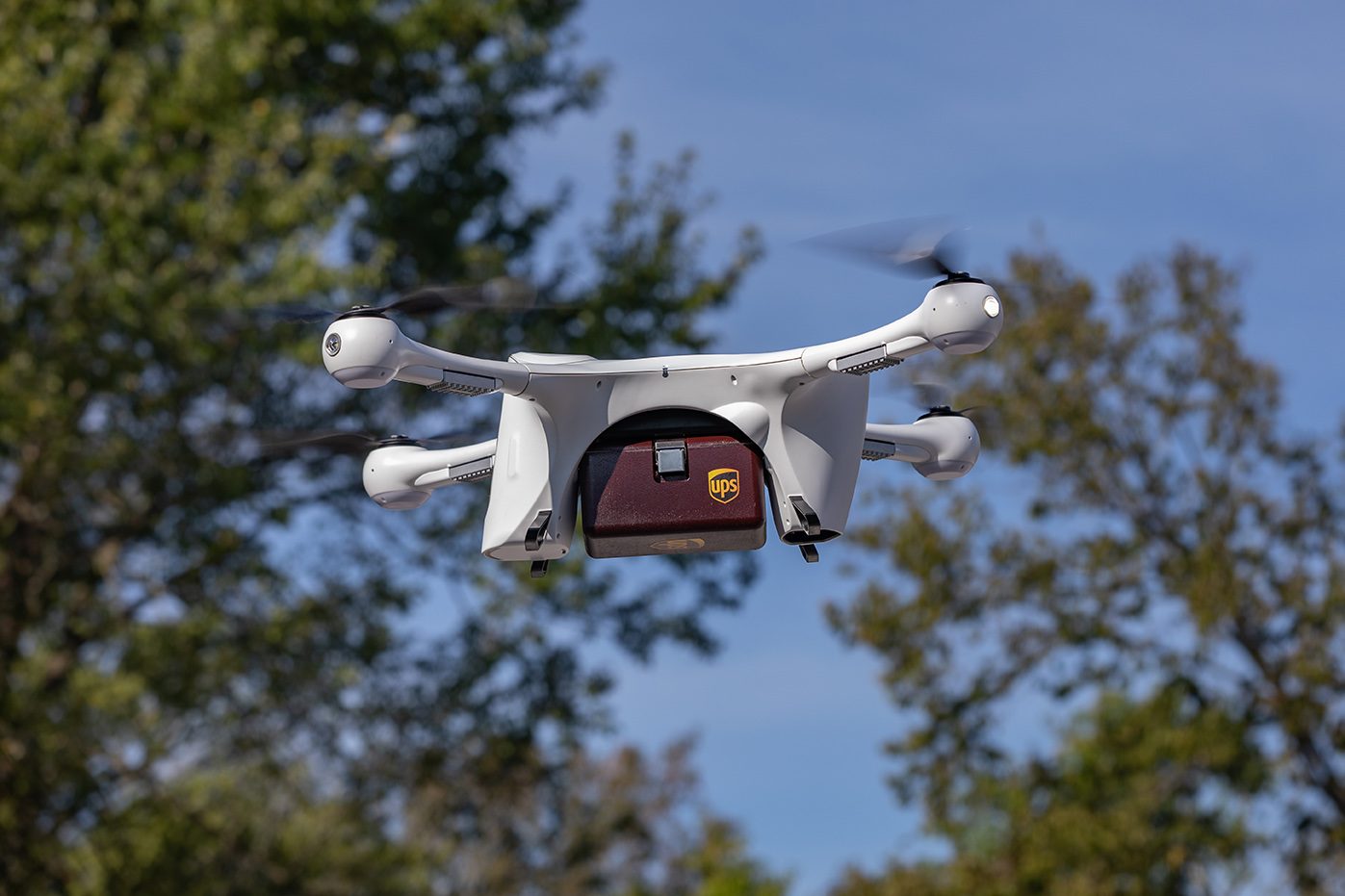
Image used with permission by copyright holder

Part 135 Standard certification from the FAA means that the drones have an unlimited size limit and an unlimited number of drone operators. The certification also allows the drones to carry packages that are more than 55 pounds. 

UPS is already refining drone delivery

The UPS Flight Forward Program has been conducting a test of healthcare delivery in Raleigh, North Carolina. The test program focused on transporting blood for transfusions and other medical samples for lab work. The certification will allow the program to expand its reach beyond its test area to other hospitals and medical campuses across the country. 

While UPS is the first company to receive full certification from the FAA, other companies are also testing drone programs. Last month, Google-owned drone delivery company Wing announced the launch of a pilot program to deliver packages for FedEx Express and Walgreens. 

In partnership with Walgreens, Wing will deliver over-the-counter medicine and other health and wellness products. Wing will work with FedEx Express to deliver certain packages in designated delivery zones for those who opt into the drone delivery program. 

Amazon has also made it known that it would like to use drones to deliver products bought on the site: in June, Amazon released a video of its Prime Air delivery drone. 

Digital Trends reached out to UPS and to the FAA to find out how drone deliveries will work in more densely populated areas, and if and when the drone deliveries will expand beyond the healthcare sector. We’ll update this story once we hear back. 

Allison Matyus
Former Digital Trends Contributor
Allison Matyus is a general news reporter at Digital Trends. She covers any and all tech news, including issues around social…
This spinning drone hides in plain sight using a visual illusion
This drone doesn't turn invisible. It tricks your brain into thinking it has.
Phantom Twist

For decades, engineers have chased the dream of an invisible drone. The usual approaches have involved transparent materials, camouflage coatings, or complex optical systems that bend light around an object. Researchers at Northwestern University decided to take a completely different route. Instead of hiding the drone itself, they chose to fool the human eye.

The result is Phantom Twist, an experimental drone that spins so rapidly it almost disappears into the background. It's not technically invisible, but to anyone watching, it looks more like a faint blur than a flying machine.

Read more
This smart knitted fabric can flip switches, count your steps, and even change shape
Grandma's knitting just entered its Iron Man era
Representative Image

For most of us, knitting brings to mind sweaters, scarves, and perhaps an ambitious grandmother determined to make winter more fashionable. Researchers at Harvard University, however, have a far more futuristic vision. They've transformed ordinary knitted fabric into a programmable material capable of changing shape, acting as an electrical switch, sensing movement, and potentially forming the foundation of tomorrow's wearable technology.

The research, published in Advanced Functional Materials by scientists at the Harvard John A. Paulson School of Engineering and Applied Sciences (SEAS), demonstrates how machine-knitted textiles can "snap" between multiple stable shapes without relying on motors or rigid mechanical parts.

Read more
Starlink V5 is here, and it’s lighter, smarter, and far more efficient
The next-generation satellite internet kit promises improved efficiency while maintaining high-speed connectivity.
Starlink V4 vs V5

Not every hardware upgrade needs to be about speed. With Starlink V5, SpaceX is betting that a lighter design and lower power consumption matter just as much. The company has officially introduced its next-generation Starlink V5 kit, featuring a smaller and lighter design with significantly improved power efficiency.

Smaller, lighter, and far more efficient

Read more