  1. Home
  2. Phones
  3. Android
  4. Mobile
  5. News

Not a bright idea: Pixel 4’s 90Hz Smooth Display doesn’t work on a dim screen

Add as a preferred source on Google

Sleuths on Reddit have discovered the Google Pixel 4’s 90Hz refresh rate screen only shows its full potential when it’s set above 75% brightness. In other words, when the phone’s screen is below 75% brightness, the refresh rate is 60Hz, the same as you get on all previous Pixel phones and the majority of other models available today.

The 90Hz screen is a major benefit, and it’s a feature shared with phones including the OnePlus 7T and 7T Pro, but on these the 90Hz refresh rate is permanent and in use at all brightness levels and throughout the operating system. While there is an option to manually select 60Hz, or to let the phone automatically switch between refresh rates, you can have 90Hz all the time if you want it.

Recommended Videos

Out of the box, it appears the Google Pixel 4’s screen will default to 60Hz when viewing the screen in good lighting conditions. This will likely mean that indoors the screen will not show at 90Hz, and you may notice scrolling through apps and websites, and playing games, has more blur and stutter than you may have expected given the Pixel 4 screen’s ability.

Why has Google added this restriction, and is there anything you can do about it? The most likely reason Google has placed this restriction on its Smooth Display feature is to help improve battery life, something that’s already poor even with this tweak in place. The Pixel 4’s battery capacity is smaller than that of the OnePlus 7T and OnePlus 7T Pro.

There is something that can be done if you want the Smooth Display active all the time. According to the Reddit post, the switch to 60Hz can be overridden in the Developer Options menu, using a setting labeled Force 90Hz. Tick this, and Google’s attempts to better manage battery life will be a distant memory. Sadly, it will also almost certainly have a further detrimental effect on your Pixel 4’s battery life, so you’ll have to accept the trade-off.

Our reviews of the Google Pixel 4 and Pixel 4 XL are already up, and both phones will be released on October 24.

Andy Boxall
Andy has written about mobile technology for almost a decade. From 2G to 5G and smartphone to smartwatch, Andy knows tech.
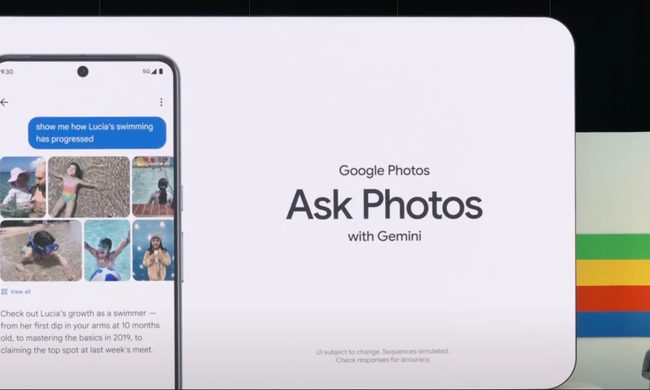
Google Photos adds a quick toggle between AI and classic search
Classic search is finally easier to reach for people who enabled Ask Photos
Google's Ask Photos debut.

Google Photos is giving users an easier way to leave its Gemini-powered search when a simple keyword would do. A new toggle now sits at the top of the results page, letting users switch between Ask Photos and classic search without digging through settings.

The change appears to address feedback from people who opted into Ask Photos but wanted a quicker way to return to classic search when Gemini was slower or less useful for a straightforward query.

Read more
Snapseed Camera now lets Android users save original photos and add geotags
Google updates Snapseed Camera with geotag support and non-destructive photo editing
Snapseed App

Google appears to be quietly turning Snapseed into something more than just a photo editing app. Over the past few weeks, the company has been steadily adding new capabilities to Snapseed Camera, its standalone camera app for Android. The latest update introduces two practical features that many smartphone users have come to expect from modern camera apps: the ability to save an untouched copy of every image for future editing and support for embedding location data directly into photos.

Neither feature is flashy, but together they make Snapseed Camera a more capable photography tool, particularly for users who like experimenting with filters without permanently altering their original shots. According to a report by 9to5Google, the features are rolling out with Snapseed Camera version 4.1.1.x on Android.

Read more
Samsung unveils Galaxy credit card ahead of Galaxy Unpacked
Samsung launches Galaxy Card with cashback on Galaxy purchases
Galaxy credit card

For years, Samsung has worked to turn Galaxy into more than a smartphone brand. Today, the company's ecosystem stretches across foldables, smartwatches, televisions, home appliances, smart home products and digital services. Now, it's adding another piece to that puzzle, one that has little to do with hardware.

Samsung has officially introduced the Samsung Galaxy Card, its first branded credit card in the U.S. Designed in partnership with Barclays US Consumer Bank and operating on the Visa network, the card rewards users for everyday spending while offering significantly higher cashback on purchases made directly through Samsung.

Read more