Google Nest is the latest smart home device to make it mandatory for people to set up two-factor authentication on their smart home devices.
Nest announced the updates in a blog post on Tuesday, February 11, which is appropriately Safer Internet Day. People will start to receive a six-digit verification code via email, and you won’t be able to access your account without it. Nest said the option is meant to reduce the chance of someone accessing your Nest account.
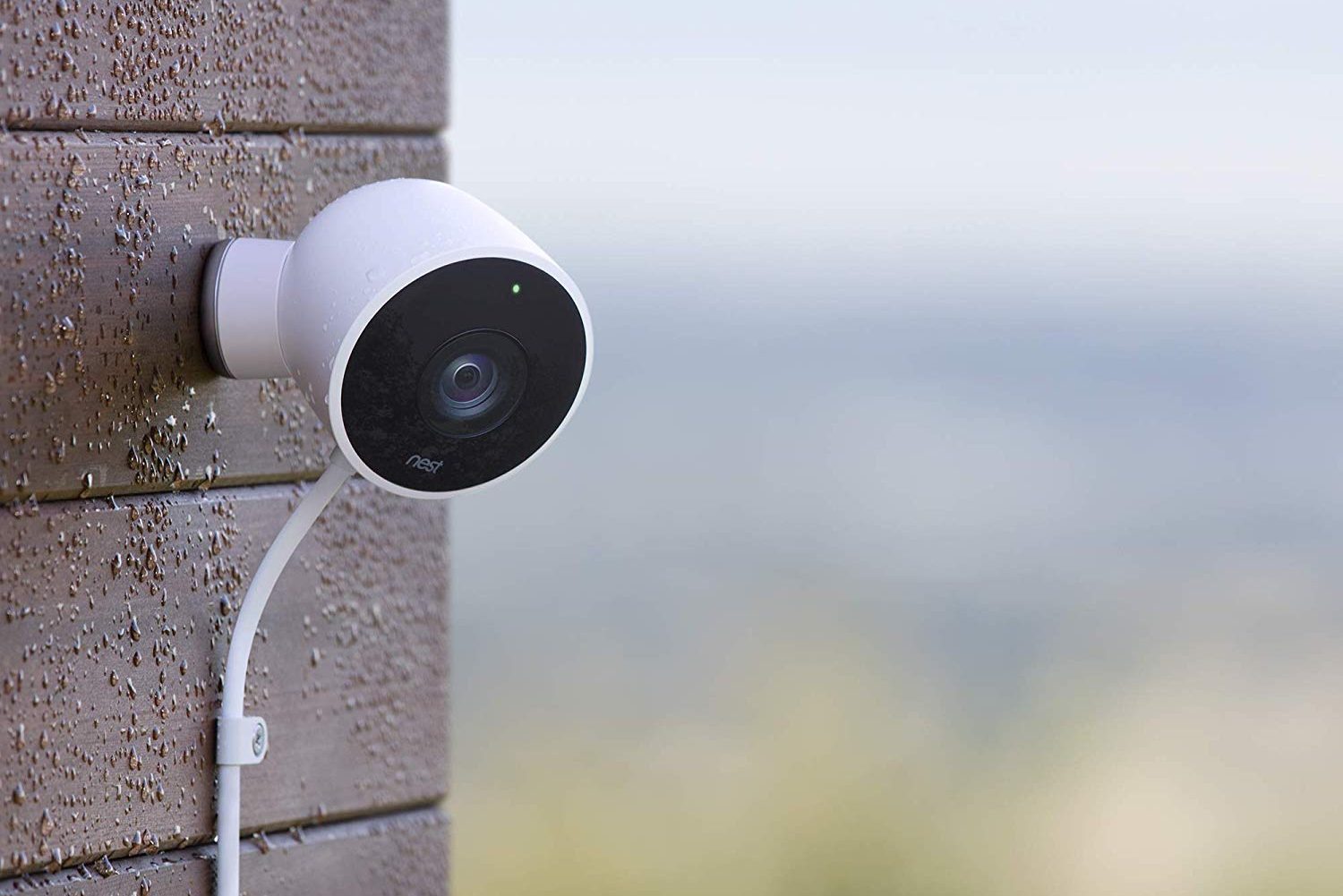
“Two-factor authentication has long been available to all users as a way to prevent the wrong person from gaining access to your account, even if they have your username and password. Starting this spring, we’re requiring all Nest users who have not enrolled in this option or migrated to a Google account to take an extra step by verifying their identity via email,” wrote Cory Scott, the head of Security and Privacy at Google Nest, in the blog post.
Nest’s update goes the extra mile in making sure all of its users have two-factor authentication set up since those that don’t won’t be able to get into their accounts. The update should force people to implement it into their smart home devices finally.
Last month, Amazon Ring introduced updates to its Control Center, which makes two-factor authentication easier to locate and control within the app, as well as being a mandatory part of the setup process for all new accounts, as well as a requirement for existing users. Through a new feature called Approval Broadcast, users can also use two-step verification to authorize any new device that logs in with the correct credentials before that device can get access to the account.
Both Ring and Nest have had their fair share of privacy issues in the past, and it’s clear that both companies are putting a priority on two-factor authentication as the solution.
Last year, a hacker was able to hijack a California family’s Nest camera and issued a fake emergency broadcast that warned of an incoming nuclear attack. A month later, a family in Illinois was tormented with racial slurs and taunts through a hacked Nest device, even hacking the thermostat and turning it up to 90 degrees.
Ring has also had a string of privacy incidents, especially in the last few months. These include two data leaks and Ring device hacks where a hacker was even able to talk to a little girl in her bedroom.
With all the unsettling reports of smart home cameras being hacked and data being exposed, it’s essential to be smart when it comes to your smart home technology, especially when it comes to password management. Aside from two-factor authentication, it’s also important to regularly change your password and to have unique passwords across different platforms.