
There may be no concrete way to tell if you are immune to the coronavirus, regardless if you’ve contracted it or not, according to a statement the World Health Organization (WHO) issued on Friday.
In recent weeks, serological tests — or antibody tests — have grown in popularity across the U.S. as a way to test if a nonsymptomatic COVID-19-positive patient has developed immunity to the disease by measuring certain proteins found in blood.
“There’s been an expectation that maybe herd immunity has been achieved and that the majority of people in society may have developed antibodies,” said Dr. Mike Ryan, executive director of WHO’s emergencies program. “I think the general evidence is pointing against that.”
President Donald Trump recommended Thursday that states begin to lessen restrictions on shelter-in-place orders and social distancing, as well as ramp up efforts to provide serology and other such testing to more Americans in the coming weeks. Based on WHO’s Friday announcement regarding the potential ineffectiveness of antibody tests, such efforts by Trump may prove to be pointless.
“It may not solve the problem that governments are trying to solve,” said Ryan. “Nobody is sure whether someone with antibodies is fully protected against having the disease or being exposed again.”
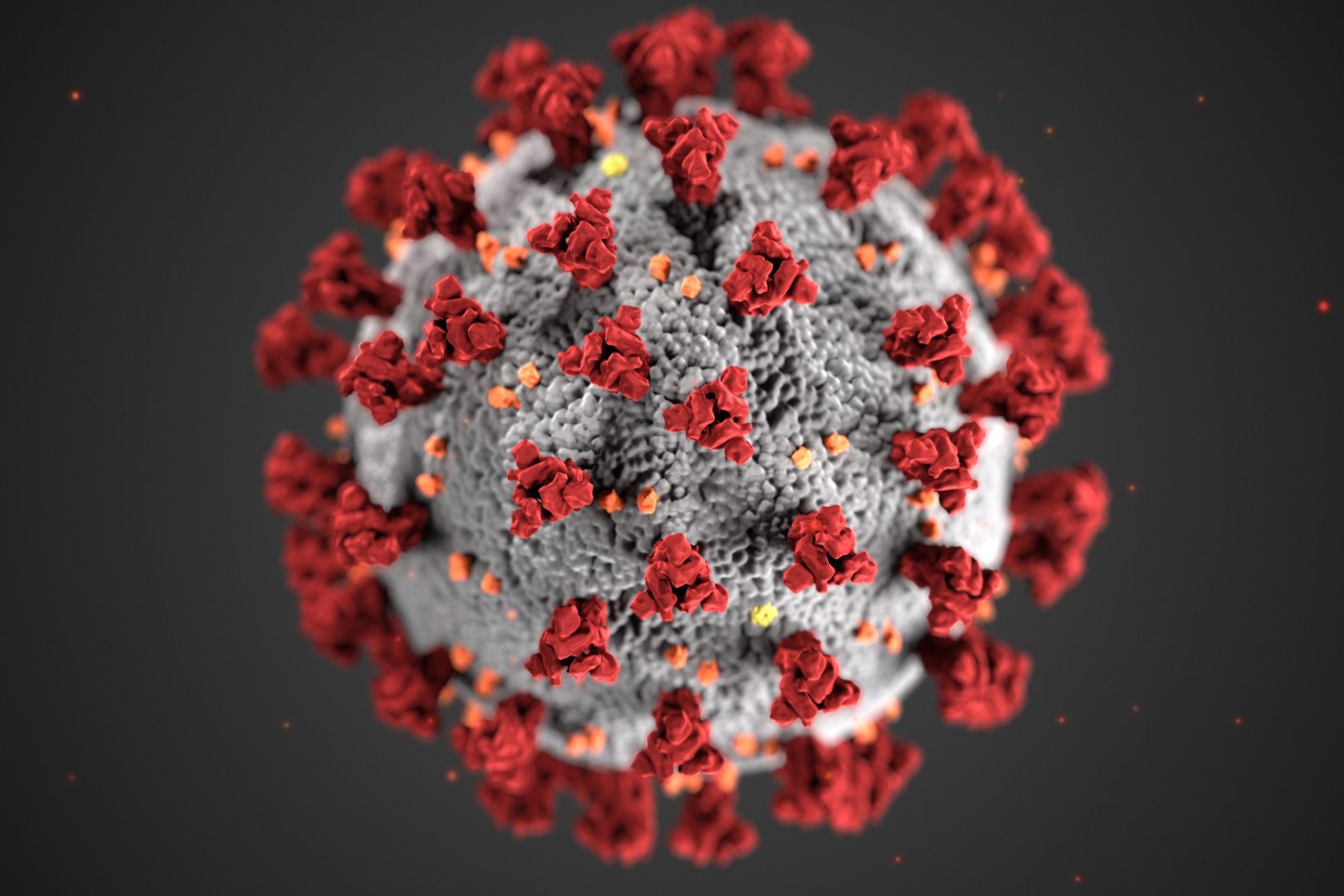
The White House was reportedly briefed on the downsides of serology testing this week, before Trump made a push for them the following day.
Dr. Maria Van Kerkhove, a WHO official and head of its emerging diseases unit, said there just isn’t enough proof to show that serology can give a “detectable antibody response” based on a preliminary study done on coronavirus patients in Shanghai. This means not everyone who is able to recover from COVID-19 will come out of the disease with the necessary antibodies to fight it again without issue — unlike other seasonal-type flus.
“Right now, we have no evidence that the use of a serological test can show that an individual is immune or protected from reinfection,” said Kerkhove.
There are more than 680,000 coronavirus cases in the U.S., and 2.1 million worldwide. Testing for the virus has hit a major slowdown in the past few weeks, even as rates of infection have been steadily increasing.


