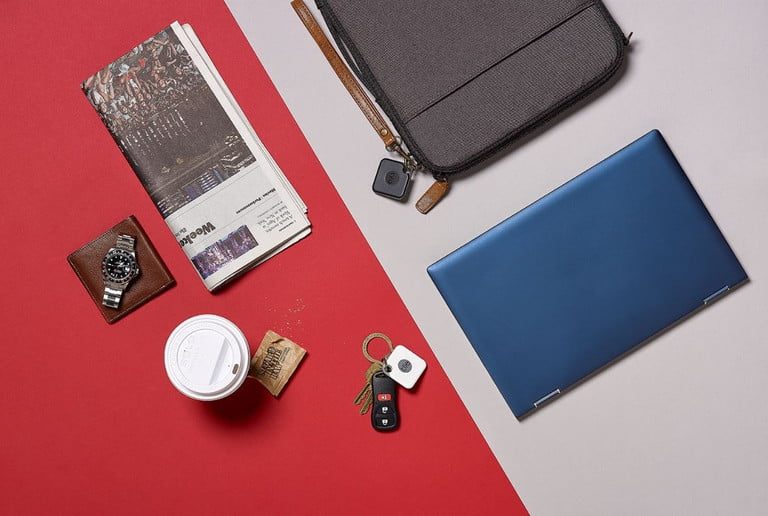
If you’ve ever misplaced your laptop, you know how disturbing it can be. Not only is there a financial cost, but there’s all of the lost data and concerns over some nefarious person gaining access to your information. Sometimes, you’ve just left your laptop in the office somewhere and can’t remember, sometimes you leave it behind in a coffee shop, and, of course, sometimes it’s been stolen.
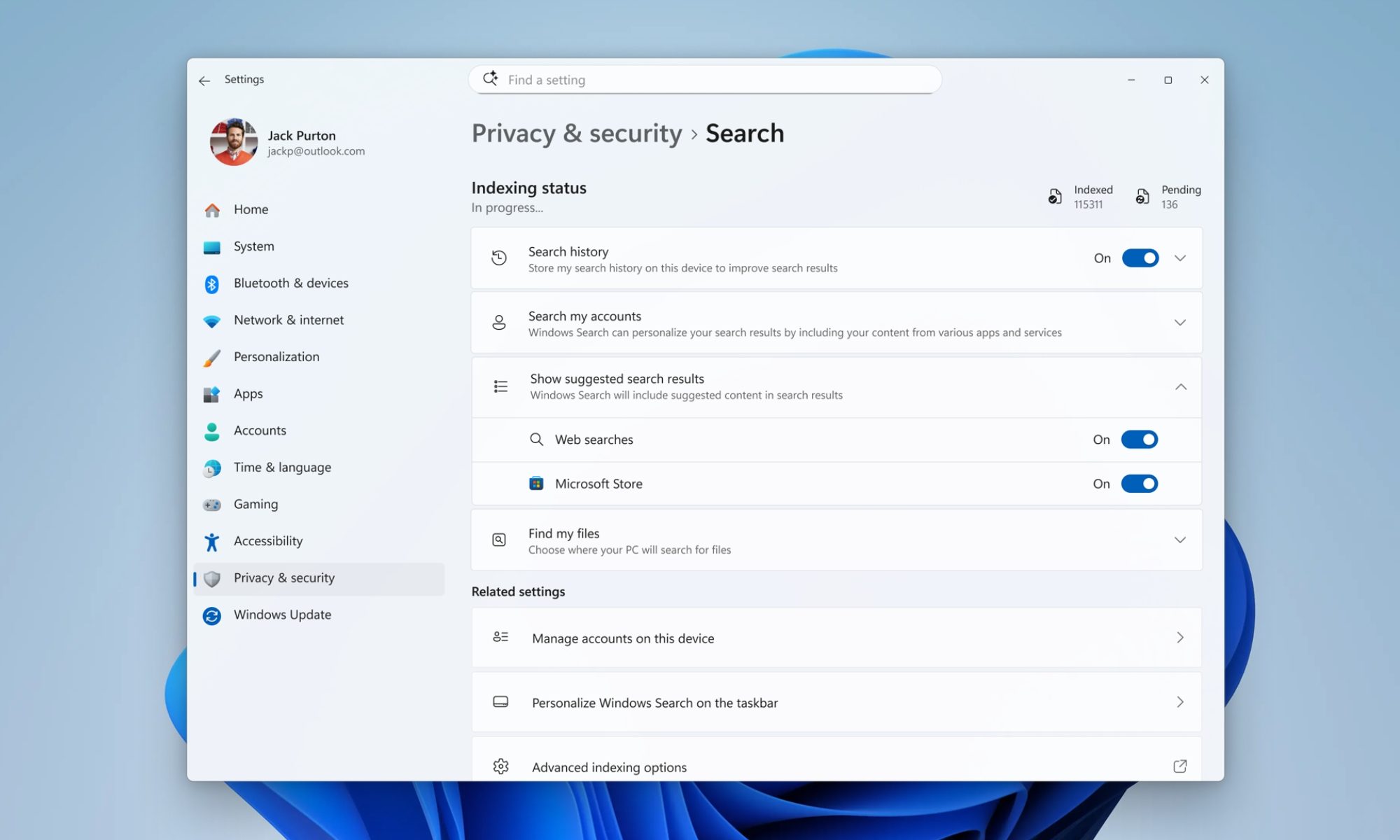
For some time now, Apple has built a “Find My” feature into its products, including MacBooks, which lets you locate your laptop by heading to your iCloud account. Microsoft has its own “Find my Device,” feature, but it’s not as complete as Apple’s solution — leaving Windows laptop users in a pinch. Now, Tile has rolled out a built-in solution for Intel-powered Windows laptops that not only catches up with Apple but, in some ways, surpasses it.
I’ve been testing out the new feature on the first laptop it’s available for, the HP Elite Dragonfly. Is it a game-changer?
Mac’s do it right, and so does Tile
The latest version of Apple’s Find My Mac is enough to make Windows laptop owners jealous. As I said above, Microsoft’s Find My Device offers some of the same features but ultimately falls flat. Both solutions let you find your laptop on a map as long as it’s connected to the internet, and both allow you to find your other devices (if they’re set up correctly). You can use both solutions to place your laptop into a lost state to keep your data protected, and you can remotely lock and wipe your laptop with both.
But Find My Mac has a couple of distinct advantages. First, it lets you ring your device in case it’s somewhere close by. That’s helpful if you can’t remember where you last used your laptop in your home or office. Second, Find My Mac works when the computer is offline and sleeping, by connecting via Bluetooth to other (properly configured) Apple devices. That means you can lean on the entire Apple device community to help you locate your laptop if it’s lost or stolen.
Your laptop can now join a complete Tile ecosystem, all managed from one app.
So, where does Tile come in? To begin with, Tile supports all of the same features as Apple’s and Microsoft’s build-in solutions except for remotely locking and wiping a laptop. And the Tile solution offers one feature that neither Microsoft nor Apple can boast: HP’s Tile solution works when the laptop is completely powered off. You can ping the laptop and it will make a ringing sound to help you locate it if it’s in your vicinity, and it will continue to communicate with Tile clients via Bluetooth to help you locate it when it’s farther away. Because Tile supports both iOS and Android smartphones, the Tile community is potentially larger as well in a given region.
Of course, Tile has an entire ecosystem of products to help you keep track of everything from your keys to your TV remote. You can now integrate your laptop (see below) into a complete Tile solution and manage it all from one app.
HP was first, but won’t be the last

HP was first with Tile integration with its excellent Elite Dragonfly business 2-in-1. Nestled inside the chassis, specifically plugged into an M.2 PCIe slot, is a Tile module that draws just the tiniest bit of power from the battery — HP estimates a total battery life reduction of 1.2 seconds (!) from Tile usage. One downside is that the M.2 slot is the same one used for LTE, meaning that you can’t have both Tile and always-on wireless connectivity at the same time.
Using Tile is easy enough. First, configure the Tile app on the Elite Dragonfly. Set up an account, and connect the Tile to it. Once that’s done, you can install the Tile app on your iPhone or Android device and log in. From there, you can locate your Tiles on a map, including the one built into the Elite Dragonfly, request a tone that will help you locate a Tile in your environment, and track the history of your Tiles. That’s it.
I tested the solution by setting everything up and then running through the various features in the apps. I used the map to pinpoint my Elite Dragonfly’s location — note that due to the coronavirus shutdown in my area I didn’t venture out into public, and chances are that wouldn’t have been a great test anyway given that so few people are out and about. I also shut the laptop down and use the Tile to locate it in my house. Everything worked seamlessly and without muss or fuss.
What’s even better is that HP won’t be the only manufacturer to integrate the solution. Intel is working with Tile to create a similar solution to the one implemented in the Elite Dragonfly, although there will apparently be some differences. We don’t know the specifics, but it appears that the more widespread solution will work when a laptop is sleeping but not completely turned off, and it will integrate with Intel’s vPro infrastructure to support remote lock and wipe. It will, therefore, be more like Apple’s Find My Mac feature than HP’s implementation.

According to Tile, 72% of laptop users find the ability to locate a lost or stolen laptop to be “very” or “extremely valuable.” That means there’s a ready supply of users who would love to take advantage of a better built-in solution.
Microsoft hasn’t responded yet with a revised Find my Device solution, but that’s always possible as well. Either way, the days of losing a laptop with no hope of finding it again could be over soon.