Sonos continues to lead the portable speaker market with its impressive lineup, particularly the Roam 2 and Move 2, popular options for anyone seeking high-quality audio on the go. Both speakers deliver the rich sound that Sonos is renowned for, but they cater to different needs and preferences due to their distinct designs and features.
The Roam 2 is designed for maximum portability, with a compact, lightweight build perfect for adventurers and travelers. In contrast, the Move 2 offers a more robust audio experience and enhanced durability, making it an ideal choice for home use and outdoor gatherings.
This comparison will explore the key differences between these portable powerhouses, helping you determine which Sonos speaker best fits your lifestyle.
Are you looking for a Sonos soundbar? Consider the Sonos Arc Ultra.
Design
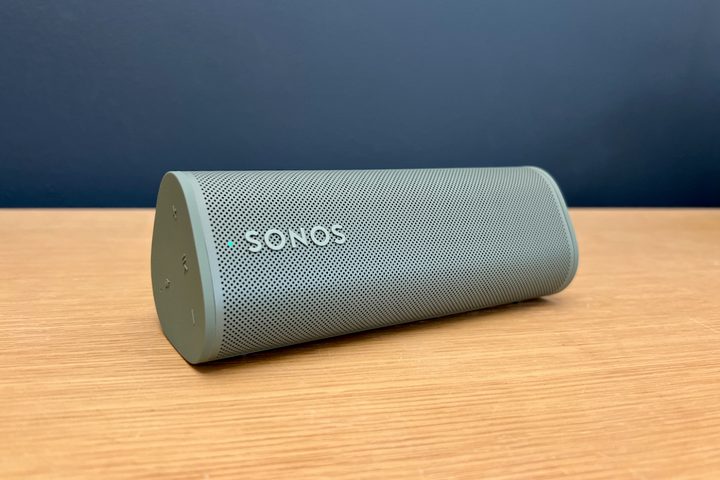
The Sonos Roam 2 and Sonos Move 2 are highly regarded portable speakers, but they feature distinct design attributes catering to different needs and preferences.
The Roam 2 is designed for ultimate portability. It is significantly smaller and lighter, weighing just under a pound, which makes it ideal for tossing into a bag or backpack without adding extra weight. Its triangular prism shape with rounded edges offers a sleek aesthetic and a comfortable grip. The Roam 2 has physical buttons on its rubberized top panel for playback and volume control, allowing users to adjust settings in outdoor environments easily. This speaker is perfect for those who enjoy taking their music on the go, whether hiking, traveling, lounging at the beach, or simply moving around the home.

In contrast, the Move 2 is built for a more robust listening experience. It weighs around 6.6 pounds and has a larger, more substantial design, featuring a traditional rectangular shape. The built-in handle on the back allows easy transportation, making it suitable for outdoor gatherings, barbecues, or even moving from one room to another. Unlike the Roam 2, the Move 2 utilizes touch controls for playback and volume adjustment, presenting a modern and intuitive interface for users who prefer a sleek, buttonless design.
Both speakers boast a durable build, which is essential for outdoor use, but the Move 2 surpasses the Roam 2 in terms of protection, featuring a higher Ingress Protection (IP) rating. This means the Move 2 offers superior protection against dust and can withstand exposure to water better than the Roam 2.
Setup and networking

The Sonos Roam 2 and Move 2 offer seamless setup and versatile networking capabilities, although they differ slightly. Both speakers use the Sonos app for the initial setup, which enables a quick and easy connection to your home Wi-Fi network. They also support Bluetooth 5.0 for direct streaming from your devices.
The Move 2 features the latest Wi-Fi 6 standard, providing faster and more stable connections on compatible networks, while the Roam 2 utilizes Wi-Fi 5. A notable advantage of both speakers is their ability to share Bluetooth audio with other Sonos devices on the same network, allowing you to extend your music throughout your home.

Additionally, both speakers support AirPlay 2 for Apple users. It is worth noting, however, that neither the Roam 2 or Move 2 support Google Assistant (it’s a long story), so if this is an important feature for you, you may want to consider trying to get your hands on the previous generations of these speakers that still support the popular voice assistant. The silver lining is that both speakers still support Amazon Alexa and Sonos Voice Control.
Performance
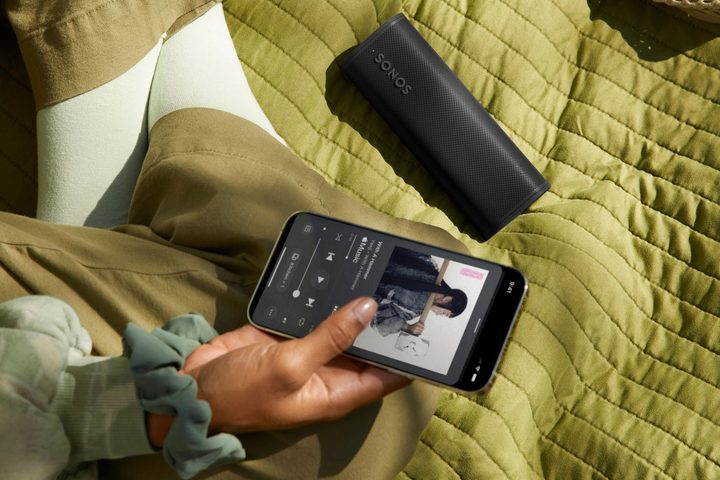
Regarding performance, the Sonos Move 2 offers a richer and more powerful audio experience than the Roam 2. This difference is primarily due to its larger size and dedicated woofers and tweeters, which provide a wider soundstage and deeper bass response. While the Roam 2 still delivers impressive sound for its compact size, it is better suited for personal listening or smaller gatherings.
Both speakers benefit from Sonos’ Trueplay technology, which automatically adjusts the sound to match the environment. However, the Move 2 enhances this experience with its new spatial audio feature, creating a more immersive listening experience.
Regarding battery life, the Move 2 significantly outperforms the Roam 2, offering up to 24 hours of playtime compared to the Roam 2’s 10 hours.
Versatility
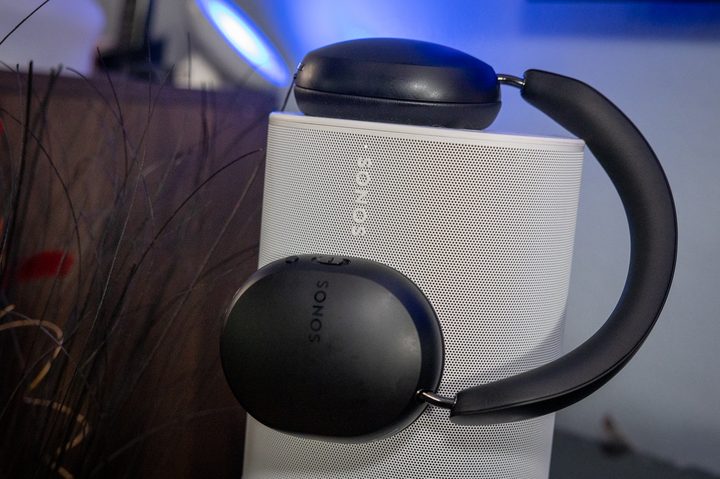
The Sonos Roam 2 stands out for its versatility as a truly portable speaker. Its compact size and lightweight design make it easy to slip into a bag or backpack, perfect for hikes, beach trips, or simply moving around the house. Additionally, the Roam 2 has an IP67 rating, meaning it is fully dustproof and waterproof; it can be submerged in up to 1 meter of water for 30 minutes. This ruggedness makes it an excellent choice for outdoor adventures and poolside listening.
In comparison, while the Sonos Move 2 offers a more robust sound, its larger size and weight limit its portability. It has an IP56 rating, which provides decent protection against dust and water splashes, but it is not designed for submersion.
Ultimately, the Roam 2’s compact design and superior durability give it versatility advantages for those looking for a speaker suited for life on the go.
Price and warranty
In the U.S., the Sonos Roam 2 is priced lower than the Move 2, reflecting its smaller size and more basic features. The Roam 2 retails for $179, while the Move 2 is $449. Both speakers come with Sonos’ standard one-year warranty, which covers defects in materials and workmanship. This warranty gives buyers peace of mind, ensuring their investment is protected against manufacturing issues. However, it’s important to note that this warranty does not cover accidental damage and normal wear and tear. For additional coverage, Sonos also offers an extended warranty program called Sonos Protect, which can be purchased separately.
Conclusion
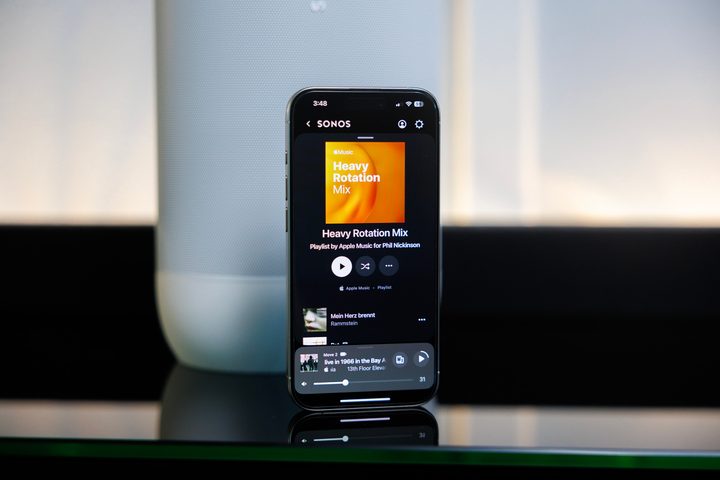
The Sonos Roam 2 and Move 2 are both outstanding portable wireless speakers, each with its own unique strengths. The Roam 2 emphasizes portability with its compact size and lightweight design, making it ideal for travel and outdoor adventures. It also features impressive durability, boasting an IP67 rating for complete water and dust protection.
On the other hand, the Move 2 delivers a richer sound experience and longer battery life, making it more suitable for home use and outdoor gatherings. While both speakers allow for easy setup and offer versatile networking options, such as Wi-Fi and Bluetooth connectivity, the Move 2 is equipped with the latest Wi-Fi 6 standard. In contrast, the Roam 2 supports a broader range of voice assistants.
Ultimately, your choice will depend on your specific needs and priorities: opt for the Roam 2 if you value portability and affordability, or choose the Move 2 for superior sound quality and advanced features.