1. Home
  2. Emerging Tech
  3. Legacy Archives

Plastic Logic Cancels Que Ereader

Add as a preferred source on Google
Image used with permission by copyright holder

Plastic Logic has announced it is formally canceling its repeatedly-delayed Que ereader in order to focus its attention on its second-generation ProReader product. The move comes as the broader ereader market has seen increasing competition and plummeting prices, with the likes of Borders, Barnes & Noble, and Amazon.com each seeking to undercut each other on entry-level ereader products.

“We plan to take the necessary time needed to re-enter the market as we refocus, redesign and retool for our next generation ProReader product,” said Plastic Logic CEO Richard Archuleta, in a statement. “This was a hard decision, but is the best one for our company, our investors, and our customers.”

Recommended Videos

Plastic Logic had originally planned to ship the Que ereader in April; the company then put off the product launch until summer of 2010, then in June abruptly cancelled pre-orders. Plastic Logic announced the Que with a $649 price tag.

Plastic Logic says it plans to redesign and retool its plastic electronics technology for its 11-inch ProReader product. The ProReader was originally announced at the Consumer Electronics Show back in January, and scheduled for an April 2010 debut. Like the Que itself, the product has been repeatedly delayed. Plastic Logic has not announced any information about when it believes it can bring the ProReader to market, or what its price might be.

Plastic Logic’s ereader products are based on plastic electronics technology instead of industry-standard silicon-based electronics. The company maintains tha plastic electronics are ideal for many mobile and portable products, enabling stronger, thinner, and lighter devices.

The Financial Times reports Plastic Logic is in negotiations with the Russian state-owned company Rusnano; a deal could see Rusnano acquiring a controlling stake in the company and setting up a production facility in Russia.


Geoff Duncan
Former Contributor
Geoff Duncan writes, programs, edits, plays music, and delights in making software misbehave. He's probably the only member…
Yet another study says AI is bad for elections, and the rabbit hole gets worse
AI may be an election bomb waiting for someone to light the fuse
Voters cast their ballots on Election Day

Another election, another study has concluded that asking an AI chatbot for political guidance is a spectacularly bad idea. Research conducted during Hungary’s 2026 parliamentary election found that ChatGPT and Google Gemini offered not just inaccurate but also inconsistent and unreliable voting advice. The chatbots misclassified voter profiles, overlooked relevant parties, recommended parties absent from the ballot, and sometimes produced materially different answers when given the same information repeatedly.

AI keeps failing the voter test

Read more
Samsung’s humanoid robot ambitions are real, but factories come first
Samsung’s new robotics division has humanoids in its sights, although its immediate business is far more practical factory automation
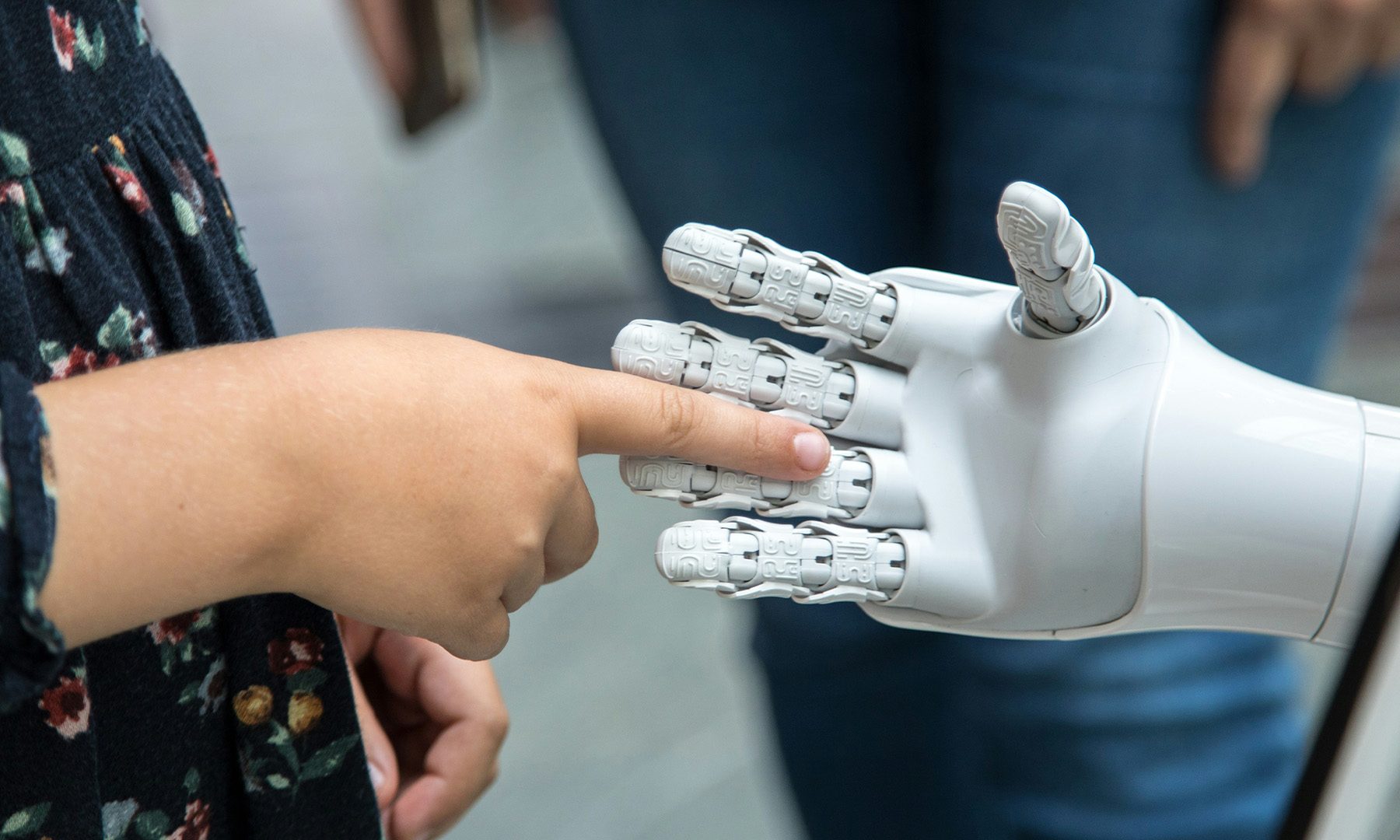
Robot Touch Human Finger

Samsung wants a place in the humanoid race, but its new robotics push begins with machines built for factories rather than homes.

The CEO-led RX robotics division will initially focus on manufacturing robots. Samsung has separately identified humanoids as a priority, although it hasn’t announced a commercial model or explained where one fits into the division’s immediate plans.

Read more
The future of AI may depend on this one behind-the-scenes change
Running Claude on Android.

Whenever a new AI model arrives, it's easy to get caught up in the bells and whistles. We talk about how much smarter it is, how quickly it answers questions, or how realistic its images have become. But here's the thing: none of that matters much if the AI can't reliably work with the apps and services people use every day.

That's why an upcoming update to the Model Context Protocol (MCP) caught my attention. It isn't a new chatbot or a fancy AI model. In fact, most people will never even know it's happening. But it could quietly make the AI ecosystem a lot healthier. If you've never heard of MCP before, don't worry. Think of it as a shared language that lets AI assistants safely talk to apps like Gmail, Slack, calendars, databases, and countless other services. Instead of every company inventing its own way to make those connections, MCP gives everyone a common rulebook.

Read more