1. Home
  2. Emerging Tech
  3. Legacy Archives

Garmin chirp aims to make geocaching more fun

Add as a preferred source on Google

GPS maker Garmin is tapping into the geocaching community by introducing the Garmin chirp a durable, inexpensive short-range transmitter that geocaching fans can leave in (or near) their geocaches to offer hints and information to geocachers who come looking for your stash. Plus, the chirp keeps a tally of visitors, so folks will know how many hunters have come by.

“With chirp, geocachers have a new tool to enhance the joys of creating and finding caches around the globe,” said Garmin worldwide sales VP Dan Bartel, in a statement. “In listening to and participating in the vibrant geocaching community, Garmin created a one-of-a-kind device that builds on popular innovations such as paperless geocaching and downloading cache details directly to the device.”
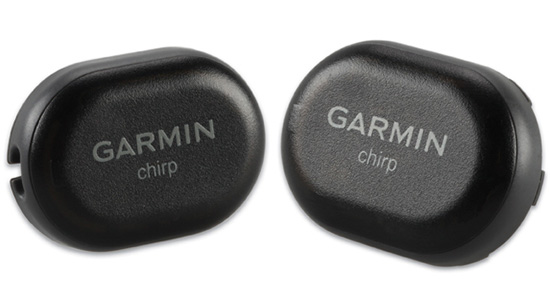
Image used with permission by copyright holder

For those unfamiliar, geocaching is a GPS-enabled activity where hunters use their GPS devices to find hidden caches of items placed outdoors by other geocaching enthusiasts. The caches are typically in durable waterproof containers, often stashed behind some rocks or in some undergrowth—easily accessible, but invisible to casual passers-by. The range of geocaches range widely: some are few and far between, some contain whimsical items, some encourage trading and replacement of items, while still others run on themes or series of clues.

Recommended Videos

The idea behind the chirp is that someone creating a geocache puts the chirp in with their items. When someone with a compatible Garmin GPS device comes by—currently that includes Garmin’s Dakota, Oregon, and just-announced GPSMAP handheld—the chirp will transmit information to the GPS, letting hunters know the cache is nearby, potentially including hints to the cache’s location, and coordinates of other caches in a multicache hunt. The latter is particularly useful, since it saves the effort of manually entering a bunch of coordinate sets to continue a hunt.

The chirp itself is tiny—just a bit bigger than a U.S. quarter dollar coin—and is build to stand up to the outdoors, with a user-replaceable battery that should run for up to a year. The chirps are also password-protected so only the owner can see visitor logs and add/update information offered by the chirp—if you use a good password, you don’t have to worry much about someone sabotaging your cache with bogus information…although someone could always leave a chirp of their own nearby.

The chirp is available now for a suggested price of $22.99; if the idea is embraced by the geocaching community—and other outdoor GPS makers—the technology stands to add a new dimension to geocaching…and maybe get a few more technology fiends into the great outdoors.


Geoff Duncan
Former Contributor
Geoff Duncan writes, programs, edits, plays music, and delights in making software misbehave. He's probably the only member…
Yet another study says AI is bad for elections, and the rabbit hole gets worse
AI may be an election bomb waiting for someone to light the fuse
Voters cast their ballots on Election Day

Another election, another study has concluded that asking an AI chatbot for political guidance is a spectacularly bad idea. Research conducted during Hungary’s 2026 parliamentary election found that ChatGPT and Google Gemini offered not just inaccurate but also inconsistent and unreliable voting advice. The chatbots misclassified voter profiles, overlooked relevant parties, recommended parties absent from the ballot, and sometimes produced materially different answers when given the same information repeatedly.

AI keeps failing the voter test

Read more
Samsung’s humanoid robot ambitions are real, but factories come first
Samsung’s new robotics division has humanoids in its sights, although its immediate business is far more practical factory automation
Robot Touch Human Finger

Samsung wants a place in the humanoid race, but its new robotics push begins with machines built for factories rather than homes.

The CEO-led RX robotics division will initially focus on manufacturing robots. Samsung has separately identified humanoids as a priority, although it hasn’t announced a commercial model or explained where one fits into the division’s immediate plans.

Read more
The future of AI may depend on this one behind-the-scenes change
Running Claude on Android.

Whenever a new AI model arrives, it's easy to get caught up in the bells and whistles. We talk about how much smarter it is, how quickly it answers questions, or how realistic its images have become. But here's the thing: none of that matters much if the AI can't reliably work with the apps and services people use every day.

That's why an upcoming update to the Model Context Protocol (MCP) caught my attention. It isn't a new chatbot or a fancy AI model. In fact, most people will never even know it's happening. But it could quietly make the AI ecosystem a lot healthier. If you've never heard of MCP before, don't worry. Think of it as a shared language that lets AI assistants safely talk to apps like Gmail, Slack, calendars, databases, and countless other services. Instead of every company inventing its own way to make those connections, MCP gives everyone a common rulebook.

Read more