Apple’s latest AirPods Pro are here, and you can buy them for $249. But should you? That’s a lot of money to drop on a pair of earbuds, and there are more AirPods options for you to choose from these days.
And that’s before you take into consideration that we’re about to go into the Black Friday sales season. All that said, tough decisions are a whole lot easier when you break them down, so that’s exactly what we’re going to do. Here’s how to decide which AirPods you should buy in 2022.
New but familiar
Let’s start by going over the full AirPods lineup:
- $129 Apple AirPods, second-generation (we’ll call them AirPods 2)
- $179 Apple AirPods, third-generation (we’ll call them AirPods 3)
- $249 Apple AirPods Pro second-generation (the newest AirPod option yet, aka AirPods Pro 2)
- $549 Apple AirPods Max
And here’s how they stack up for features:
| AirPods 2 | AirPods 3 | AirPods Pro 2 | AirPods Max | |
| Price | $129 | $179 | $249 | $549 |
| Battery life per earbud | 5 hours | 6 hours | 6 hours | N/A |
| Battery life (total) | 24 hours | 30 hours | 24 hours | 20 hours |
| Apple H1 chip | Yes | Yes | Updated to H2 | Yes |
| Hands-free Siri | Yes | Yes | Yes | Yes |
| Wireless charging | No | Yes | Yes | No |
| Active Noise Cancellation | No | No | Yes | Yes |
| Transparency mode | No | No | Yes | Yes |
| Head-tracking spatial audio | No | Yes | Yes | Yes |
| Sweat/water resistance | No | Yes | Yes | No |
| Adaptive EQ | No | Yes | Yes | Yes |
| Wear sensors | Yes | Yes | Yes | Yes |
| Conversation boost | No | No | Yes | No |
A new baseline for budget AirPods
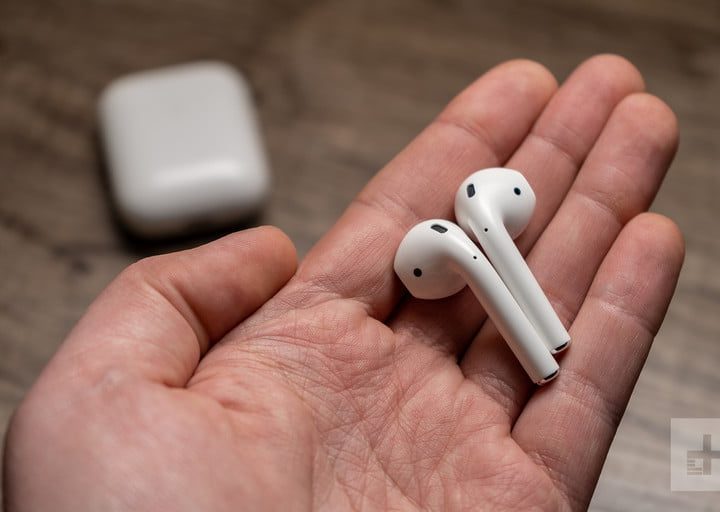
Before the release of the AirPods 3, Apple only had two models of true wireless earbuds. As such, it priced the regular AirPods 2 at $149 and gave them a $50 wireless charging option that brought the price up to $199 — incredibly expensive for what these basic buds offered compared to the AirPods Pro and virtually all other true wireless models you could buy.
It was high time for rationalization. And in October 2021, Apple yanked the wireless charging option and dropped the price of the standard AirPods 2 by $20. If you’re determined to have wireless charging, Apple will happily sell you a wireless charging case for an additional $79. And while $129 is still arguably too much to pay for a set of earbuds that don’t have ANC, transparency, or wireless charging, their price is a truer reflection of where they sit in Apple’s lineup. These are the AirPods for folks on a budget.
Need less noise?
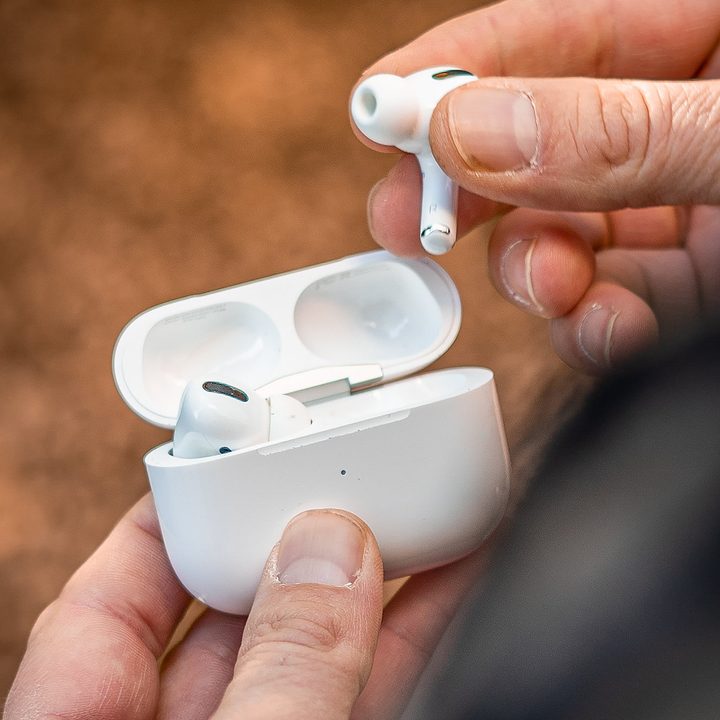
Though many had hoped that the AirPods 3 would offer ANC, Apple has kept that feature (and its companion feature, transparency mode) for its two most expensive products, the AirPods Pro 2 and the AirPods Max. These features work beautifully on both headphones, but if you want the ultimate in portability and convenience, the AirPods Pro 2 are the AirPods you should buy if you need to keep a lid on all of the external sounds that threaten to distract you or ruin your tunes.
Want to get lost in your music?

The AirPods Pro 2 sound better than ever before, but when it comes to the competition, they’re outclassed by the likes of Sony’s WF-1000XM4 (although the AirPods Pro noise cancellation now reigns supreme). The same is not true of the pricey AirPods Max, which, despite a few minor flaws like the lack of a completely lossless audio connection, are absolutely stunning to listen to.
Whether it’s good ol’ stereo or Dolby Atmos Music from Apple Music, the AirPods Max offer brilliant sound quality and superb ANC and transparency mode. We’d argue they’re still overpriced, but if you want the best audio Apple has to offer, the AirPods Max are the AirPods for you.
What about the AirPods 3?
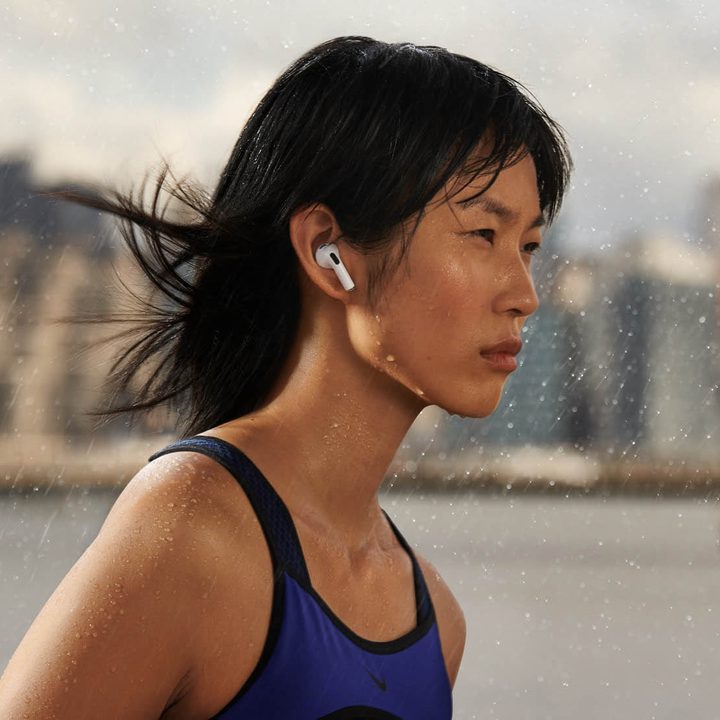
The AirPods 3 have impressed us as an ideal successor to the AirPods 2 in just about every way without costing too much more. Wireless charging, an IPX4 rating, and an extra hour of earbud battery life are handy features that most of us will use daily, along with unique aspects like the AirPods 3 signature upgrade: head-tracking spatial audio. Keep in mind that any set of headphones, including the AirPods 2, can let you listen to spatial audio on Apple Music. It’s the head-tracking part that’s unique to the AirPods 3, Pro, and Max.
And as cool as head-tracking can be — we were impressed by how it brings a heightened sense of realism to movies — it’s a bit like 3D movies: fun for the first few minutes, but the effect quickly fades as your brain adapts to the new input. But the other features are valuable additionals, the sound is better, and we absolutely consider the extra $30 worth it to complete your upgrade.
AirPods Pro 2 for the latest enhancements
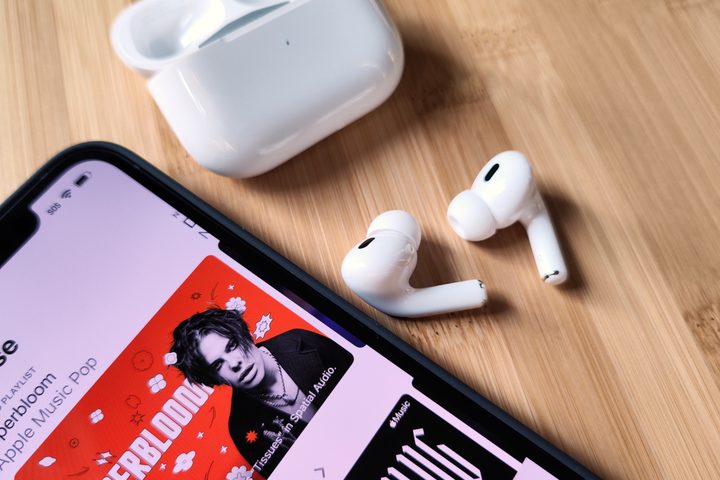
Apple changed up the AirPods Pro line significantly in 2022. It discontinued the AirPods Pro entirely and replaced them with the AirPods Pro 2: same price, upgraded H2 chip, and better features all around. That includes better noise cancellation and transparency mode, new water resistance for the charging case, and a touch-based volume slider on the buds. Other minor updates include skin-sensing capabilities in the wear sensors, a slightly better battery life, and an extra ear tip for a wider range of sizes.
If you’re looking for the very latest technology that Apple has to offer — and some of the most advanced tech that earbuds are currently capable of — the AirPods Pro 2 are the choice for you. And while they’re still pricey, the cost hasn’t changed since the first generation, so you’re getting a lot of upgrades without having to pay more for them. That sounds like a win in our book.