Nintendo Switch Online + Expansion Pack is now available, giving Switch owners access to a small library of Nintendo 64 and Sega Genesis games for a hefty price. It’s not a particularly good deal, as the Nintendo 64 app only includes nine games currently, including some truly left-field picks. A lack of button remapping options also makes certain games a nightmare to play unless you buy a wireless Nintendo 64 controller.
Regardless of how strong the deal is, I decided to check it out for myself. I didn’t have a Nintendo 64 growing up and only played the biggest hits as they were ported to other consoles. I’ve played Super Mario 64 and The Legend of Zelda: Ocarina of Time several times each on a variety of platforms, but most of the games included in Expansion Pack were totally new to me, making it a slightly more valuable deal.

As I started playing my way through games I’d never touched, I quickly noticed something: Many of these games are short. I’m not talking six to eight hours short either. I played three games in a row that could be “completed” in two hours. I didn’t feel disappointed by how quick those experiences were though; I actually found myself wishing games were designed like this.
The short of it
I started my deep dive into Expansion Pack’s minuscule N64 library with Sin & Punishment, one of the most obscure games in the batch. Originally exclusive to Japan, the game is a bizarre and wonderful on-rails shooter. Out of curiosity, I went over to How Long to Beat, which tracks video game completion times, to see how long it was. An average playthrough only takes two hours if you play your cards right, and YouTube long-plays are even shorter than that.
I had the exact same experience when loading up Yoshi’s Story, a game I never got to play as a kid. Within an hour, I was already at the game’s sixth and final stage, making it a breezy evening play. StarFox 64 is another one-sitting game, as is Dr. Mario 64’s story mode. You could finish all four of those games in eight hours if you want to, making the service’s high price tag especially eye-popping at present.
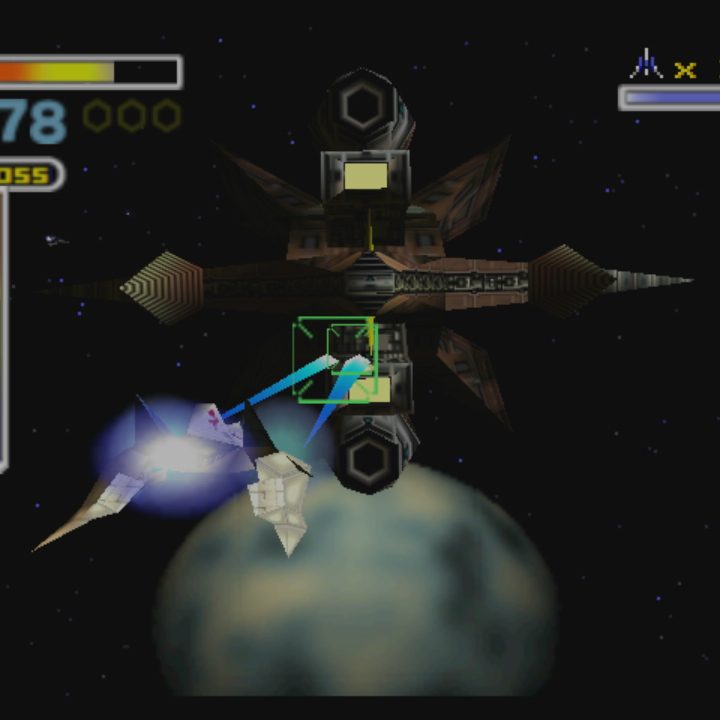
Those length estimates are slightly misleading. Most of those titles feature hard “game over” systems. If I get all the way to the end of Sin & Punishment and use up all my continues, I start again from the top. It’s a holdover design from the arcade days where more plays meant more quarters. That idea was already a little dated (and frustrating) by the time the N64 dropped and you can see that design philosophy changed through the console’s lifespan.
But what’s surprising to me is how effective those games are at making me actually want to replay them. Take StarFox 64, for instance. I can complete a full run of that in two hours. In fact, I’ve done that countless times before. And yet, I keep coming back to it anytime it becomes readily available to me. The “one-sitting” aspect is a huge appeal when it comes to revisiting it. With multiple paths to explore, there’s always something for me to discover when I return to it — and I don’t need to commit a ton of time to do it.
Yoshi’s Story isn’t as great a game by comparison (in fact, it’s downright unsettling), but there’s a similar appeal. A level only ends once you collect enough fruit. You might only see half of a stage before getting booted out, missing out on plenty of secrets. I’m already thinking about replaying it from the top just to take some new paths.
This idea is present in some classics that aren’t yet on the service too. The original Pokémon Snap can be finished in under three hours, but I’d guess that most people who grew up with it spent at least three times more playing it. With tons of pictures to snap and secret routes to find, it’s a game that rewards those who go back, rather than blazing through it and moving on. I’ve probably played that game for as many hours as I’ve played New Pokémon Snap, a game that’s much more content-rich, but comparable in quality despite how much time is needed to hit credits.
These days, players tend to equate monetary value with time. It’s understandable; imagine paying $70 for a game that you can beat in two hours. But some of gaming’s greatest hits are short experiences. Super Mario Bros. is an incredibly quick game on paper, but there’s a timeless joy to it. You could spend a lifetime trying to master it.
I’m not saying games should go back to this era — it just wouldn’t make sense for something like Far Cry 6. But more games could benefit from this style of air-tight design that motivates players to keep booting it up because they want to, not because they feel like they have to. I’ll probably keep playing StarFox 64 from start to finish every time it’s made available to me. Though next time, let’s just hope it’s less expensive than it is here.