  1. Home
  2. Entertainment
  3. Legacy Archives

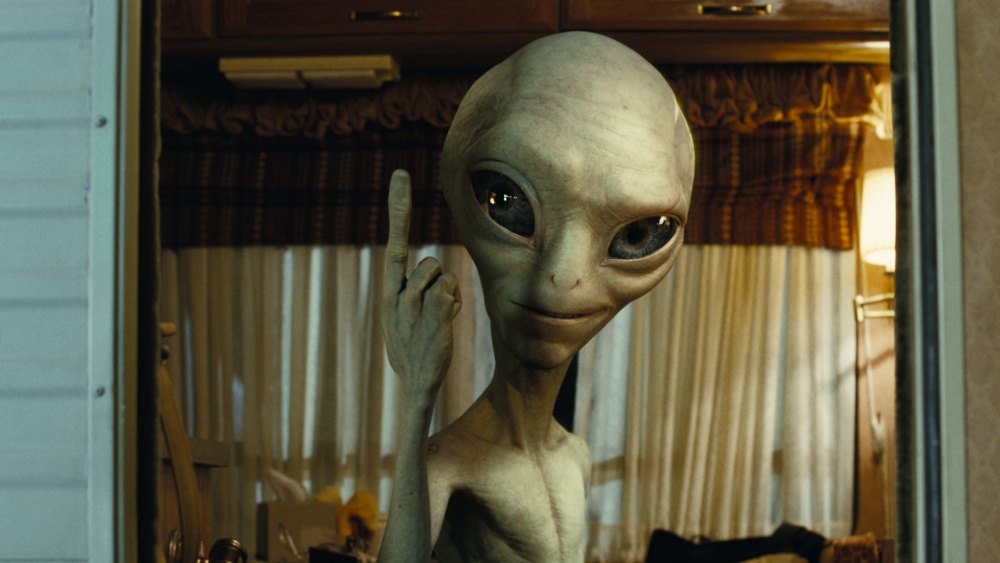
Paul stars Simon Pegg and Nick Frost reenact Star Wars

Add as a preferred source on Google
paulreview
Image used with permission by copyright holder

Paul came out this weekend, the latest reunion for Shaun of the Dead and Hot Fuzz stars Simon Pegg and Nick Frost. The duo stars in the comedy that they also wrote, a story about an alien named Paul (voiced by Seth Rogen) who is marooned on Earth and being pursued by shadowy government operatives. Digital Trends’ own Ryan Fleming enjoyed the movie, and with good cause. While it is especially friendly to geek viewers, director Greg Mottola (Superbad) imbues the story with enough of a heart to please wider audiences.

The geek angle is particularly noteworthy to this post, however. Paul is fairly littered with references to sci-fi and geek culture, everything from the overt (Paul gave Steven Spielberg some important pointers for E.T.: The Extra-Terrestrial) to the deep-cut (listen carefully for a “Wilhelm scream”). And while there’s no small number of shout-outs to that most venerable of sci-fi franchises, Star Wars, that didn’t keep Pegg and Frost from participating in a special riff on the classic for College Humor.

Recommended Videos

Dressing themselves up in primitive cardboard costumes, Pegg and Frost step in front of a camera to reenact a memorable early scene from Star Wars: Episode IV – A New Hope. An intertitle informs us that the duo set out in 2009 to create a shot-for-shot remake of the George Lucas classic on the set of Paul, and that this one scene is as far as they got. Obviously not true, but it sets the stage for some geek-friendly hilarity. Check it out right here…


Adam Rosenberg
Former Gaming/Movies Editor
Previously, Adam worked in the games press as a freelance writer and critic for a range of outlets, including Digital Trends…
Netflix says it has used AI in over 300 titles and there’s no stopping it now
AI in hollywood is no longer just en experiment.
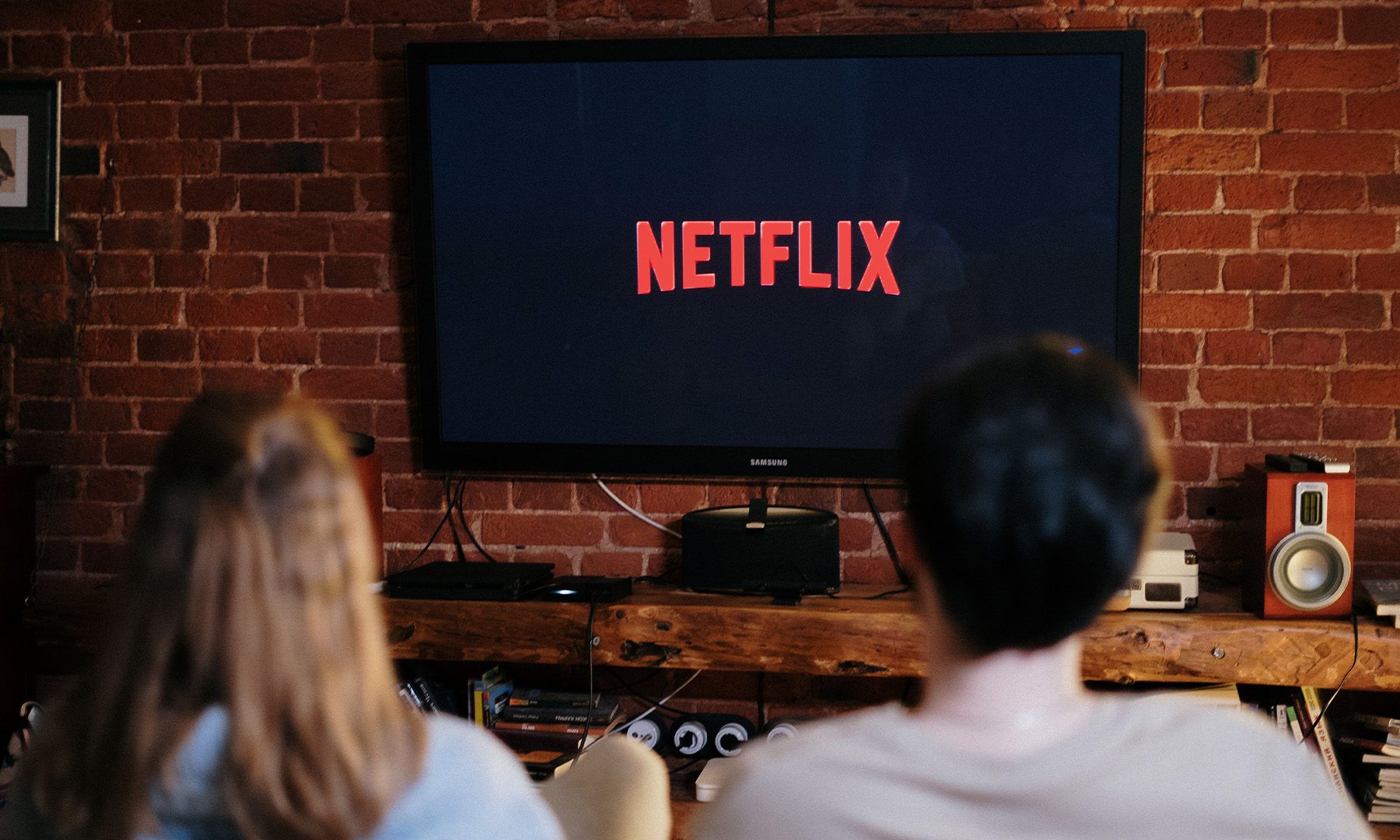
Netflix on TV couple watching

The Hollywood argument over whether AI belongs in film and television production may already have been overtaken by reality. Netflix has confirmed that its creative partners used generative AI workflows across roughly 300 titles in 2026, with the largest concentration of work happening during post-production.

Keep in mind this number describes AI-assisted production workflows and not 300 completely machine-generated films and shows. Regardless, it does show how quickly the technology has moved beyond isolated experiments.

Read more
Spotify’s new conversational AI can play tracks you request and answer your music questions
A ChatGPT-like AI feature is coming to Spotify for music requests and listening-history questions
spotify

Spotify is rolling out a new AI-powered conversational feature that lets Premium users talk directly to the app about what they want to hear. Users can type or speak a request and refine the results through follow-up questions instead of manually searching for a song, podcast, or audiobook.

The feature is available from Spotify’s Home and Now Playing screens and works much like a personal audio assistant. It can choose what plays, answer questions about the current track or album, recommend something new, and look through your listening history to provide more personalized responses.

Read more
Christopher Nolan’s personal take on smartphones is surprisingly practical
Christopher Nolan says not owning a smartphone helps him think better
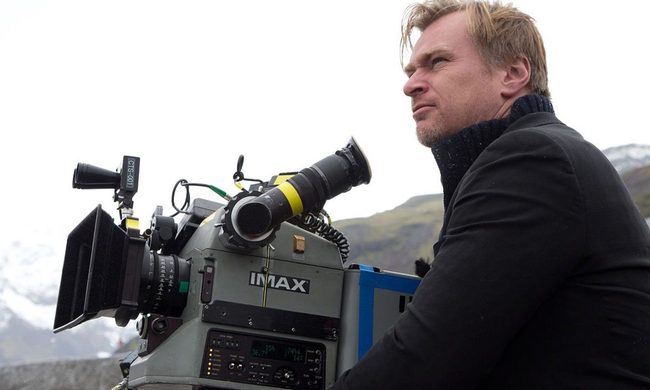
Christopher Nolan sits in front of an IMAX camera.

Christopher Nolan has spent his career embracing cutting-edge filmmaking technology while resisting one of the most common gadgets on the planet: the smartphone. The Oscar-winning director behind Oppenheimer, Inception, and the upcoming The Odyssey says his decision isn't about rejecting technology altogether. It's about protecting something he believes has become increasingly rare - time to think.

In an interview with The Telegraph ahead of the premiere of The Odyssey, Nolan explained that he still doesn't own a smartphone, despite living in a world where QR codes, digital tickets, and messaging apps have become everyday necessities. His reasoning, however, is far more practical than philosophical.

Read more