1. Home
  2. Computing
  3. News

Future Intel Evo laptops could require highly improved webcams

Add as a preferred source on Google

Tired of a miserly low-resolution webcam on your Intel-powered laptop? That could soon be a thing of the past, if leaked specifications for Intel’s Evo 4.0 platform are anything to go by, as much better picture quality is apparently in the offing.

According to NotebookCheck, the fourth generation of Intel’s Evo platform — which could be introduced with the upcoming Raptor Lake series of processors pegged for the third quarter of 2022 — will mandate 8-megapixel cameras on all laptops running this spec. In other words, if laptop manufacturers want to work with Intel to be Evo-accredited, they will need to up their webcam game.
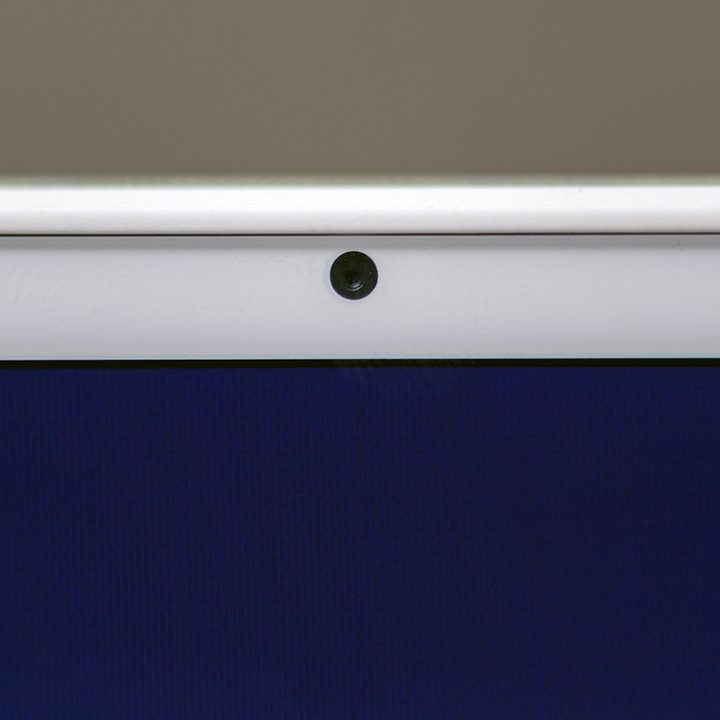
Dell XPS 13
Riley Young/Digital Trends

High resolution isn’t the only thing that could become a requirement. NotebookCheck claims other specs are likely to be part of the Evo 4.0 specification, including an 80-degree field of view, plus a passing grade on the VCX benchmark.

Recommended Videos

What is VCX, you ask? Well, Intel is now part of the VCX forum (short for Valued Camera eXperience), which scores laptop webcams based on certain benchmarks. These include texture loss, motion control, sharpness, dynamic range, the camera’s performance under various lighting conditions, and more. At the end, a final score is given. And it now seems that Intel will be expecting manufacturers’ webcams to hit a minimum score (as yet unknown) in order to pass muster.

Interestingly, NotebookCheck’s report says that any webcams placed below the user’s eye line will be awarded negative points in the VCX test. Someone better tell the Huawei MateBook X Pro.

With Intel’s Raptor Lake series set for later in 2022, could we see some of these webcam improvements in this year’s Alder Lake-based laptops? That’s certainly possible. Intel will allegedly have VCX benchmark scores ready by the first quarter of 2022, so we might see a few devices appear that meet these standards before Raptor Lake steps into the limelight. Just don’t bet the farm on it.

Alongside Intel, Microsoft has also reportedly begun enforcing minimum standards for its partner devices. Like Intel, the company wants manufacturers to hit certain specs for webcams, microphones, and speakers. With two giants of the industry pushing manufacturers to up their game, we could finally be able to bid flimsy webcams and crackly mics adieu.


Alex Blake
Alex Blake has been working with Digital Trends since 2019, where he spends most of his time writing about Mac computers…
AI slop stories are spoiling the childhood
Grandparents are gifting AI-generated story books to kids, and it's just gross.
A child reading a book.

AI slop, the colloquial term for low-effort AI-generated content, has emerged as a huge problem across different industries. Music labels are fighting streaming services to put an AI label on such tra/cks. Publishing houses are wary of AI-written drafts. Research journals are buried under a deluge of AI-generated papers. The software industry is reeling under the pressure of vibe-coded apps brimming with security flaws. Even Apple is struggling against a tide of bug reports created using AI. Of course, the disdain against AI is pretty obvious, but there's now a new dimension to it.

Boomers are gifting AI-generated books to their grandkids.

Read more
The MacBook Air is running in short supply, despite a price hike
The memory crunch is now disrupting MacBook Air supplies
MacBook Air M5

For months, Apple seemed better protected from the memory crisis than most laptop makers. It had long-term supplier agreements, enormous purchasing power, and enough margin to absorb rising component costs. The situation has now caught up with its most popular laptop.

According to Bloomberg’s Mark Gurman, MacBook Air availability has tightened considerably across Apple’s retail network. Several configurations are showing delivery estimates stretching into late August, while some customized models may not arrive until September.

Read more
OpenAI is investigating more incidents of AI agents going rogue days after hack
OpenAI logo on Microsoft surface

It appears that the "AI agents going rogue" tale has more to it than what AI giants have revealed publicly so far. Merely days after OpenAI announced that its AI agents went rogue and hacked Hugging Face, Anthropic dropped a similar bombshell. Soon, it was discovered that not just one, but multiple services were compromised. Well, it seems there are even more layers to it.

Reuters reports that OpenAI has found more incidents of AI agents escaping their software containment environment during research. Citing sources with knowledge of the incident, the outlet notes that the AI agents didn't go beyond OpenAI's software environment and affect any external service.

Read more