1. Home
  2. Phones
  3. Mobile
  4. News

Google is making Android devices work better together with expanded Fast Pairing

Add as a preferred source on Google
Promotional image for Tech For Change. Person standing on solar panel looking at sunset.
This story is part of Tech for Change: an ongoing series in which we shine a spotlight on positive uses of technology, and showcase how they're helping to make the world a better place.

Google is moving boldly into 2022 with new features designed to bring all the devices in your life into harmony around your Android smartphone of choice. The company made number of announcements at CES 2022 to help make your devices and accounts work more seamlessly.

Fast Pair everything

Android’s Fast Pair technology already helps you get up and running with Bluetooth accessories like headphones and speakers, but now Google is expanding it beyond audio connectivity to add a whole collection of new devices.
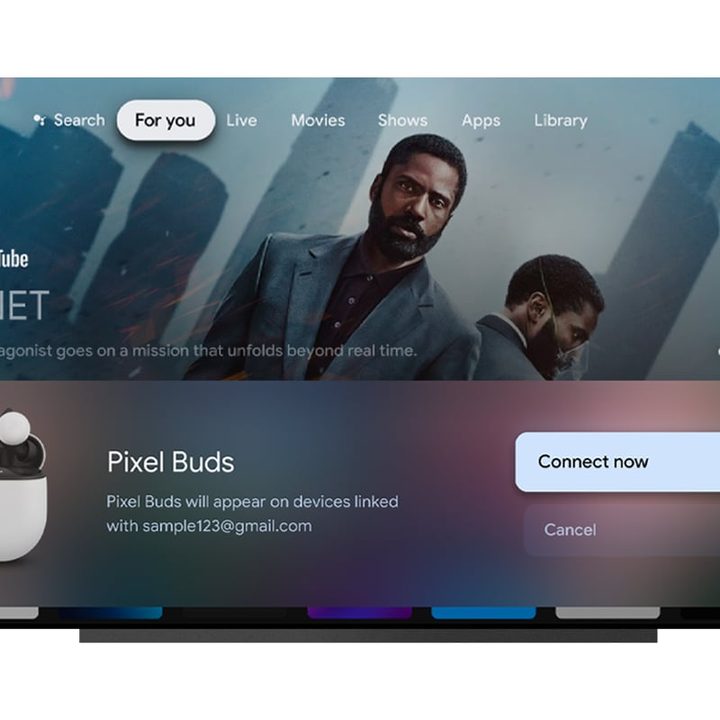
Picture of Android TV showing Pixel Buds being automatically paired using Fast Pair.
Google

This means that in the coming months you’ll be able to use Fast Pair to quickly link up your headphones with your Chromebook, Google TV, or other Android TV OS device, add Matter-enabled Smart Home devices to your network, and even automatically switch your Bluetooth headphone audio based on the device you’re listening to.

Recommended Videos

So, for example, if you’re wearing headphones to watch a movie on your Android tablet and a call comes in on your smartphone, the movie will pause and the audio will automatically switch over to your Android phone. Once you hang up from the call, it will also automatically switch back to your tablet and resume the movie where you left off.

Google is adding its automatic unlock features to WearOS, meaning you’ll soon be able to unlock your Chromebook, Android phone, or tablet with your paired smartwatch whenever you’re close by.

Taking it on the road

December’s Pixel feature drop also brought long-awaited support for digital car keys, allowing owners of recent BMW models to unlock their vehicles simply by tapping their Pixel 6 on the car door. The feature also rolled out to Samsung Galaxy S21 phones around the same time.

Animation illustrating Google Pixel 6 being used to unlock a car door.

At this point, the car key feature only works via NFC, meaning you have to pull out your phone and physically hold it near the car door. That’s set to change later this year, with Google announcing today that phones that offer Ultra Wideband (UWB) technology will gain the ability to unlock and start supported cars right from your pocket.

Google also says that it’s working to bring digital car keys to more Android phones and vehicles later this year, while also adding the ability to securely and remotely share car keys with friends and family.

In the coming months, owners of Volvo cars will be able to do even more, with integrated support for Google Assistant that will let you warm up or cool down your car before you even walk out the front door. You’ll also be able to remotely start your engine and lock and unlock your car, and even ask Google Assistant to let you know how much battery power or fuel you have left. Volvo is just the start; Google promises there will be more car brands to follow later this year and into 2023.

Jesse Hollington
Jesse has been a Mobile Writer for Digital Trends since 2021 and a technology enthusiast for his entire life — he was…
Geekbench now lets you check how a phone will actually handle your boring daily chores
New tests, smarter scores, and finally some love for NVIDIA GPUs.
Geekbench 7 open on iPhone

Geekbench, the popular cross-platform benchmark from Primate Labs, just got a major update. Geekbench 7 is out today, and you can download it on Android, iOS, Windows, macOS, and Linux. If you like to know exactly how your CPU and GPU stack up, this update brings a bunch of changes worth knowing about.

What's new in the CPU tests?

Read more
Latest Pixel 11 series leak offers the clearest look yet at Google’s next flagship
Google's next Pixel has leaked again, but this time almost nothing is left to imagine
Pixel 11

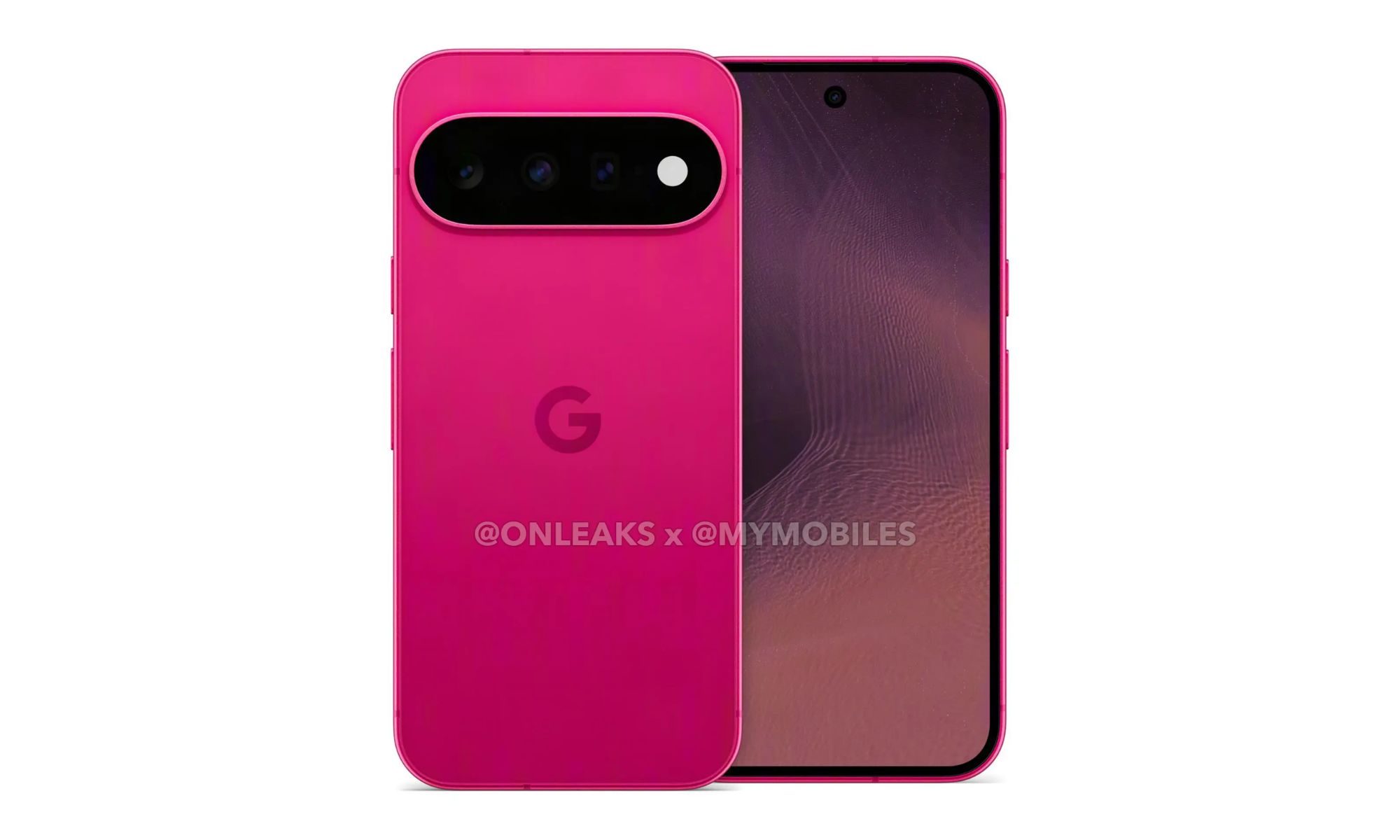
Google's Pixel launches have become increasingly difficult to keep under wraps, and the Pixel 11 series appears to be no exception. Weeks before Google's scheduled August 12 launch event, a fresh leak has revealed what is claimed to be the complete set of official press renders for the Pixel 11, Pixel 11 Pro and Pixel 11 Pro XL, showcasing every colour option across the lineup.

The renders, published by MyMobiles in collaboration with tipster OnLeaks, offer what is arguably the most comprehensive look yet at Google's next flagship family. If authentic, they not only confirm earlier design leaks but also reveal Google's colour strategy for 2026, including a vibrant Fuchsia finish for the standard model and a new copper-inspired "Dune" variant for the Pro series.

Read more
Galaxy Z Flip 8 vs. Motorola Razr Ultra (2026): Samsung’s flip phone is cheaper, but is it better?
One flip phone wins on value. The other wins on hardware.
Electronics, Phone, Mobile Phone

Flip phones have quietly become one of the most competitive corners of the smartphone market. It provides buyers with a satisfying folding snap, reducing the footprint to half the original size, and that’s the entire point. Motorola never really left the format after reviving the Razr name, while Samsung has spent generations treating the Flip line as its scrappy, budget-friendlier sibling to the Fold. 

This year, though, the gap between the two camps has narrowed to the point where picking a winner requires genuinely reading the spec sheet and learning about the phones before putting your money into one. One phone leans hard into raw display firepower, while the other leans into a deeper software ecosystem and a friendlier price tag. 

Read more