Few things get the Guardians of Destiny 2 excited like hunting for the latest and greatest exotic weapons. Osteo Striga is one such weapon. This unique SMG debuted with Destiny 2: The Witch Queen, but with a problematic caveat: Only players who are willing to pay extra are eligible to acquire the gun at launch.
It’s the latest in a troubling trend of Bungie turning the pay-to-win screws into one of the best fanbases in gaming, and is one of the few black marks in how the developer engages with its community.
Further reading
- I rescued Destiny 2 new lights from a game-ruining fate
- How to make a clan in Destiny 2, and where to go from there
- Destiny 2 beginner’s guide: How to get the most out of your Guardian
The problem with Osteo Striga
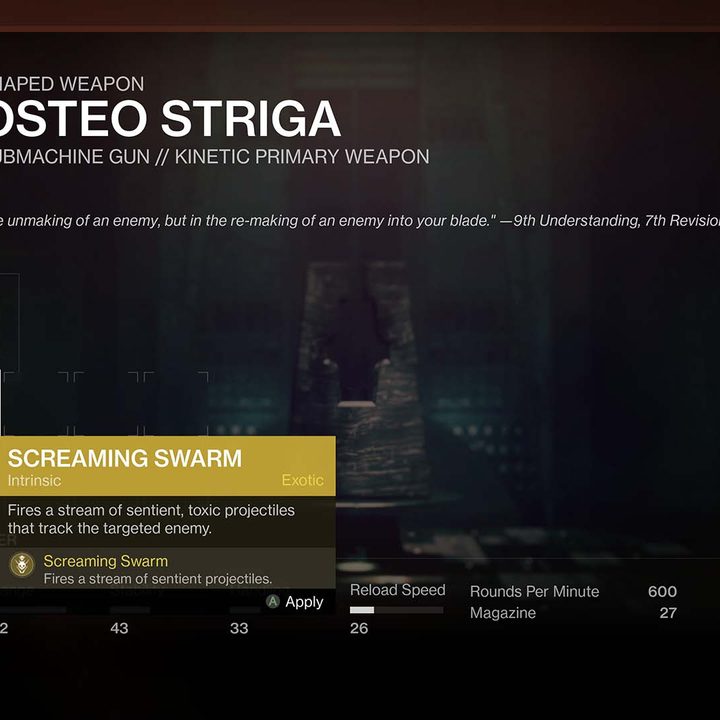
Osteo Striga is a crafted weapon, part of a new system that has debuted with The Witch Queen. “Eligible” players can retrieve a Pattern (aka blueprint) for the gun at any time after completing the new campaign from their triumphs tab, and use it at the Artifact, a device at the center of the crafting mechanic.
So, what makes a player eligible? Spending money. At launch, only players who have purchased the $80 Deluxe Edition of Destiny 2: The Witch Queen can get their hands on Osteo Striga. All other players will need to wait until the weapon joins the general loot pool, at an indeterminate future date.
That means players need to make a choice whether or not to spend additional real-world money in order to unlock a powerful item that can directly impact their success in PVP and PVE activities. A weapon is being held hostage behind a paywall, and gamers can either pay the ransom or risk being on the receiving end of a weapon they themselves cannot wield.
A history of pay to win
This isn’t an isolated example of dangling desirable weapons in front of players to coax more real money investment from them. No Time to Explain is an Exotic pulse rifle from Destiny 2: Beyond Light that began as an item reserved for higher-paying customers before being made available to everyone in a later season.
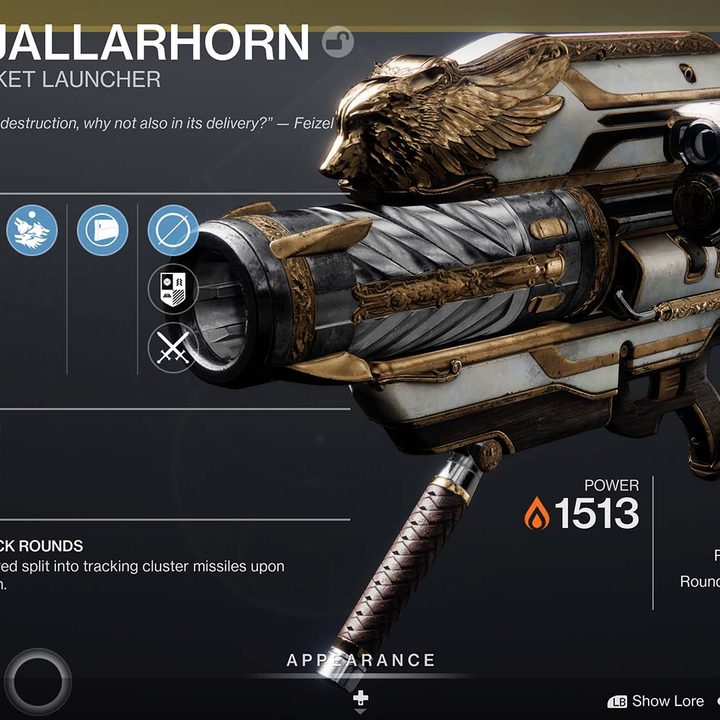
The most egregious example of this pay-walling was Gjallarhorn. This Exotic Rocket Launcher was the most iconic weapon in the first Destiny game. Its return was heavily requested by the community, and Bungie delivered during the studio’s recent 30th Anniversary Event. It should have been a celebration by Guardians franchise-wide.
It’s arguably the most powerful and desirable heavy weapon in the game. Having access to Gjallarhorn is a tangible advantage for players and it’s only available to players willing to pay for premium content. It’s the textbook definition of pay-to-win, even if there are plenty of other powerful, free weapons players can use.
This isn’t just an issue of free-to-play versus paid content. The Witch Queen isn’t free, players have spent the $40 in order to access the new content and experience the next story in the overarching Destiny narrative. Those players have paid, but not enough to earn Osteo Striga. It’s the kind of upsell you’d expect from a door-to-door salesman, not a video game.
No one can reasonably demand a game as vast and complex as Destiny 2 be perfectly balanced across all possible loadouts and weapon permutations. It is perfectly reasonable to offer value to your best-paying customers. But everyone who loads into Destiny, or any online-focused game, should be able to expect the basic courtesy of a level playing field, where spending money doesn’t directly translate into better and more effective equipment. It’s exploitative and erodes so many years of well-earned trust between a developer and the community that supports it.